Software
Houzz Logo Print
jordan_mathos

Basement Water - Could Mortar Play A Role?

3 years ago
Hi there, I just wrote out a whole post and then it disappeared when I clicked Next, so this one might be a bit more terse ha. We moved in 3 years ago, we have been getting water in the basement. The waterproofer suggested we replace the downspout extensions and lower the soil line/mulch below (it was all the way up past the foundation line!). These helped especially the soil line lowering, but with the most recent rain we still got moisture in.


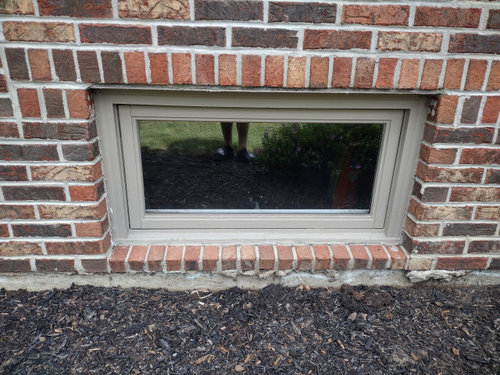
He now suggested re-caulking the window. I am going to do that either way, but after he left, I also noticed the mortar has "globs" where the foundation meets the brick veneer all along that wall except where we are getting water. Could this be related? Or, as I have read, is that more so for a breathing/moisture-let-out mechanism?


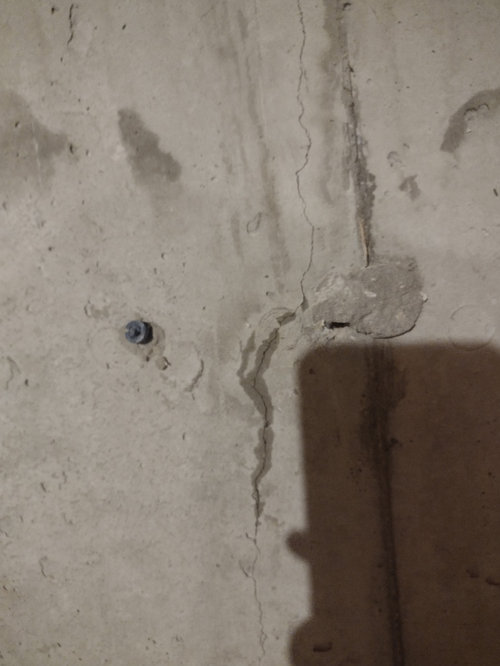
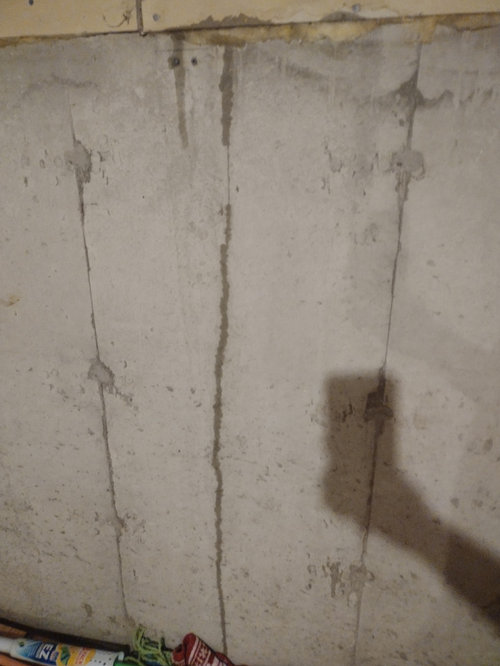
(2 photos of moisture getting in during the most recent rain)


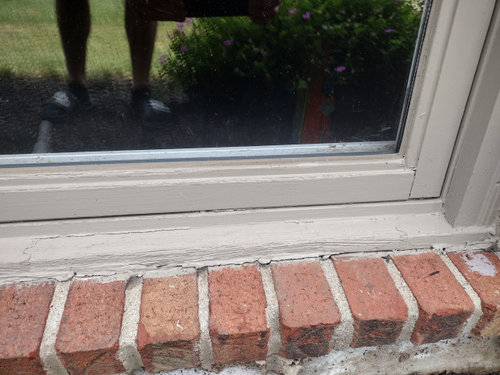
The caulking is definitely weathered where moisture is getting in, that clear crack in the caulk is where we are having moisture, tho the moisture seems to start about 4 inches below that crack in the caulk.


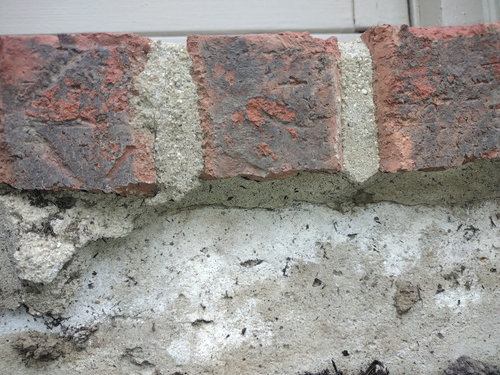
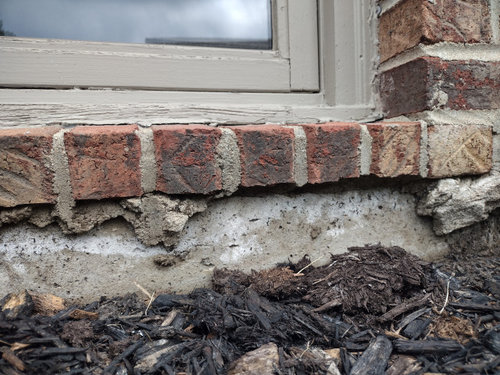
But as I was about to get started on re-caulkig, I noticed that there are "globs" where the foundation meets the brick veneer except, conscpicuously the 2 sides of the window we are getting moisture.


2 close-ups of what I mean when I say a thin strip of mortar, maybe weathered away by the darn soil/mulch line having been so high?, compared to the globs of mortar.


Sorry I was more descriptive the first time I wrote it out, heh, any input would be greatly appreciated though! Thank you,

Jason

Comments (13)

  • 3 years ago

    " I noticed that there are "globs" where the foundation meets the brick veneer except, conscpicuously the 2 sides of the window we are getting moisture. "


    No effect. Caulk dies not and will not replace flashing and if you get it to stop water it will only be temporarily. Really the only way to truly stop that seepage is to remove the soil and waterproof the cement foundation from the exterior. Anything else is akin to peeing in the wind. How much water gets in the basement? If that is the extent of it I would almost leave well enough alone and ren a dehumidifier.

  • 3 years ago

    Thanks for the info. We have had some differential settlement (about a half inch according to the structural engineer?) And apparently our rafters aren't attached to the ceiling joist? All sorts of lovely surprises in these 3 years.


    Ok, so if I'm understanding you correctly, even a new window with new window frame and flashing and caulking (I will do my research about flashing), wouldn't really solve the issue long term. And the real solution would be a huge costly exterior foundation repair that wouldn't be worth it based on that much moisture getting in. 10 4. I have a pile of towels below it lol so we haven't had any pools of water since 2 augusts ago, and we have had a dehumidifier in that room always running. I don't like how the wood seems to have water stain from it and have worried about that but I suppose replacing that would also be "pissing in the wind" haha. (Oh to answer about how much water, we had a pool of water after a bad rain along that whole side of the house, required a wet vac and many towels to mop it up. Since then though, especially with the soil line lowered and new gutters and the towels, we have yet to have another pool, just seepage


    Thanks for your input and any other input or advice is always appreciated

  • 3 years ago
    last modified: 3 years ago

    I would bet the globs of mortar were some p.o. "repair". Actually, properly sloped bricks at the sill are designed to take water runoff away from the house. The globs aren't helping.

    Professionally applied, high-pressure sealant to the cracks and the poorly sealed tie-rod holes and crystalline waterproofing to the rest of the wall might do the trick. If not, you're into excavation, a membrane sealant and new weeping tiles.

    In the meantime, diy crack sealant and further reduction of moisture near the foundation can't hurt and should help.

    Ironically, there are other threads here with homeowners desperate to direct water to foundation plantings.

  • 3 years ago

    The brick below the window is not sloped enough to shed water, and there doesn't appear to be any flashing under it. You can see the deterioration in the window sill. No amount of caulk will solve that. If the brick is removed, I think you'll find a mess.

  • 3 years ago

    @worthy the former owners were obsessed with their plants, they let so many issues persist in the house just so long as their plants were cared for. Maybe I'll have a different waterproofer out to see his thoughts about waterproofing the crack and in general. If he also doesn't think it's worth the 1k ish he would charge like the last one, then I'll do diy crack sealant. Any tips for "further reduction of moisture near foundation"?

    @seabornman uff. All our brick window sills are sloped about that much. Not sure what the flashing would look like but all our windows (original to the 1986ish house) look like this. my spouse replaced our 2 bedroom windows but they did nothing with the brick sill. When they took out the old windows they said there was a lot of rotting.

    So I would have a masonry remove that brick and put a new sill in with proper slope? And when you say "find a mess" you mean with the wood foundation behind the sill? Sorry I'm new to all this though I've been doing research as I cancan @Seabornman

  • 3 years ago

    Jason, I meant there would be rotted wood, bugs and the like. https://www.imiweb.org/wp-content/uploads/01.030.0402.pdf shows a detail similar to what you should have, with a flashing under the brick and up and under the window sill.

  • 3 years ago

    @Seabornman ugh and that would likely be throughout the house cuz all the window sills and windows/seemingly-no-flashing are throughout the house... great.


    Would that be a window company or masonry people who could look into the window sill and flashing? Or both since sort of 2 different issues? I doubt I can afford it but may be worth at least having it inspected. Thanks for your input

  • PRO
    3 years ago

    Grading and gutters are the two first things to look at.

  • 3 years ago

    The mortar bed that squeezed out could certainly transmit moisture. Mortar is very porous, and if it was under soil previously it soaked up the surrounding water. I would not expect that to be running water inside though, but if your bottom plate is at the same elevation as the bottom course of brick, with no flashing, membrane, or weeps, then it all could be saturated over time and a couple heavy rains push it to have some leaking water (rather than just wet moisture). Not to mention water running down the outside of the wall, then capillary action when it hits the mortar "blob" bringing it into the wall.

    The brick sill is certainly an entrance point. They are inherently worse, as you have 17 possible entrance points under your window. It looks like 3 or so joints are not tooled even with the top of brick and they still look wet from a pooling of water in the joint right at the window sill.

  • 3 years ago

    Jason, a mason could do the brickwork and flashing. The biggest challenge will be getting the flashing under the window. The mason should know a carpenter to do whatever wood work needs to be done.

  • 3 years ago
    last modified: 3 years ago

    There is no evidence of weepholes anywhere nor flashing at the bottom of the brick above the foundation.


    Building America Solution Center

    But instead of re-building to proper standards--assuming you can find anything other than the usual run of "handymen"--try the simplest measures first, as suggested upstream. And do remove more of that mulch/whatever.


    ****

    I once saw the re-painting of a public library. The painters first diligently caulked all the "ugly" weepholes in the brick. Brilliant!

  • 3 years ago

    @Seabornman at this point I might just save for a new window and ensure they do proper flashing. I just don't know how to navigate the brick sill piece as well. Ah, this is all so confusing, but I will figure it out--thanks all for y'all's input.


    And funny you mention that @worthy , we had a structural engineer out yesterday (yay almost an inch of differential settlement, and he pointed out one side of the house has the mulch/soil line over 6 inches above the foundation... but the grade might not be able to take lowering that), and he pointed out that the lintel above the window was caulked over, despite that gap being intended to weep/let moisture out/etc. If I understood him correctly. Reminds me of what you said about caulking over "ugly" weepholes heh

  • 3 years ago

    So the mold guy I had out apparently also does waterproofing. For the crack he said they do Emecole urethane foam filling "Emecole crack repair system"