Software
Houzz Logo Print
loribee2

Help with very high phosphorus

3 years ago
Hi all, GardenWeb old timer here hoping folks might help with a problem:


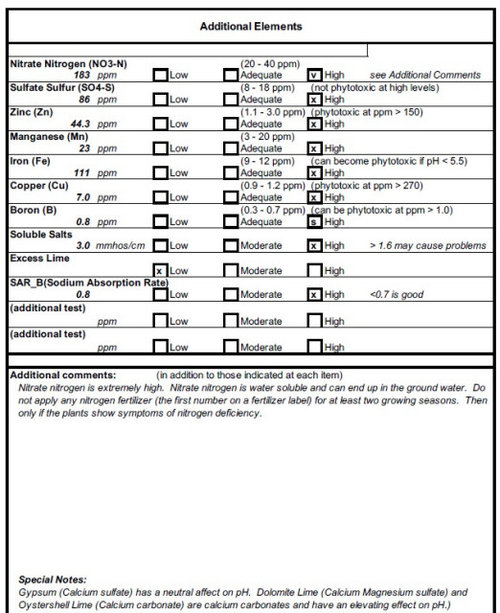
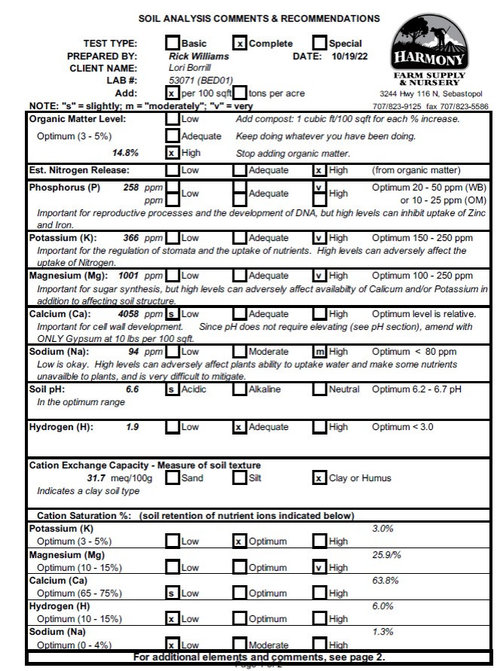
I had one 4 X 8 problematic veggie bed soil tested. The major issues were very high phosphorus, and very high nitrogen. With a Ph at 6.6 my plants are showing signs of zinc & iron deficiency, not due to the lack of zinc and iron, but the high phosphorus preventing uptake in combination with the Ph. I also have high levels of organic matter.


In discussing the results with the nursery who did the test, they suggested I stop adding steer manure to my compost bin, that I pause amending the bed with my compost, mix in plain old fill dirt if I can, and don't feed with nitrogen fertilizer for at least two growing seasons.


I've been doing additional research today and would love to know if anyone here has other or additional thoughts on how they'd approach the situation. I'm mostly just info-gathering to get more than the one opinion. For instance, I've read that a cover crop of a nitrogen fixing plant such as Beerseem Clover can bring down the phosphorus, but not sure if that would help or hurt my situation given my bed is already high in nitrogen. Also wondering if foliar feeding the plants with a liquid form of iron and zinc would help, or are they just not gonna take it in any form due to the excess phosphorus?


My notes (I had this done in October) said to add gypsum, but now I forget why he'd said that.


I had just solarized the bed before having the test done, and he suspected that was the cause of the high Nitrogen content. He thought solarizing had accelerated the breakdown of organic matter. So now I'm questioning if I should be solarizing my beds. I'd done so to kill soil-borne fungus as well as weed/volunteer seeds, since I cold compost. I've attached the actual test results if anyone is interested in seeing them. I know there's a lot of great knowledge on these boards and appreciate anyone offering thoughts or suggestions.


Comments (8)

  • PRO
    3 years ago

    Are you having growing issues in that bed? Is that why you got the soil tested?


  • 3 years ago

    It's always been my poorest performing bed. And yes, this year especially, the plants are showing signs of iron deficiency. To help the summer veggies I've got there now, I'm wondering if foliar feeding iron is an option, since they aren't uptaking it from the soil?


  • 3 years ago

    Lets suppose you took samples from a pile of steer manure and your compost. From the list of "NPK of Everything" with Cow manure you'd have NPK readings of Cow manure N 1.9 P 0.7 K 2.1 . They may list everything but they don't list steer manure.


    Your compost would read similarly perhaps a little less? But the list of everything also doesn't list compost??


    Some folks grow crops in pure compost, I don't remember anyone growing in pure horse or cow manure but I wouldn't be surprised that you could grow some crops in pure manure. Perhaps corn? I'm no expert in soil tests but I get the feeling that your results are too high to get there using manure or compost.


    i would guess your problem comes from too much bagged fertilizers. You also seem to willing to add more of the "good stuf" Your writing about adding iron yet your test results show 10 times the optimum.


    I'd suggest a second opinion. Use your state college.

  • 3 years ago

    Thanks, just so folks don't misunderstand: I don't use any bagged fertilizers at all, nor any synthetic fertilizers. Just my own home grown compost and a few occasional waterings of fish emulsion during the growing season. Which is why I was surprised to find all the nutrients so excessively high. But I do use steer manure as a "compost starter" in my compost bin, adding a bag here and there between the buildup of greens. Seems the more I read and talk to people, the more I'm learning that's a bad idea.


    The suggestion about adding iron was in the form of foliar feeding since the iron in the soil isn't taken in by the plants due to the excessive phosphorus. The more I read up on that, I believe I've answered my own question: That IS an effective way of treating the chlorosis while I wait for the phosphorus levels to go down naturally.


    Still curious though if anyone has ideas on planting a cover crop of Beerseem Clover or other legume, which some sources say can reduce the levels of phosphorus in the soil. Or if anyone can see why it was suggested that I add gypsum.

  • 3 years ago
    last modified: 3 years ago

    I have no idea why they suggested the gypsum other than the sodium levels are also high and gypsum helps to alleviate that. However, I would not consider that to be an overriding concern.

    Otherwise, your plan looks sound. No more compost or manure for the time being as that was how all this got started. And some sort of nitrogen fixing cover crop makes sense. N is the most mobile of all plant nutrients and a high reading one day can be a low reading the next. A cover crop will help to add nutes like N without the need for any other fertilizer. And I would continue to plant and harvest veggies that appreciate higher P levels, like tomatoes (actually, most solanums), leafy greens, many brassicas and legumes. And celery....that pulls out more P than just about any other crop other than forage crops (like alfalfa).

    I'd also agree that a liquid iron supplement is advised. That is likely the most critical issue as a direct result of the high P levels.

    loribee2 thanked gardengal48 (PNW Z8/9)
  • 3 years ago

    Seems to me a good time to add another4x8 bed using fill dirt as you mention to the old bed and add lots of the old bed to the new.

    loribee2 thanked John D Zn6a PIT Pa
  • 3 years ago

    Thanks Gardengal48! I appreciate your thoughts on the matter!