

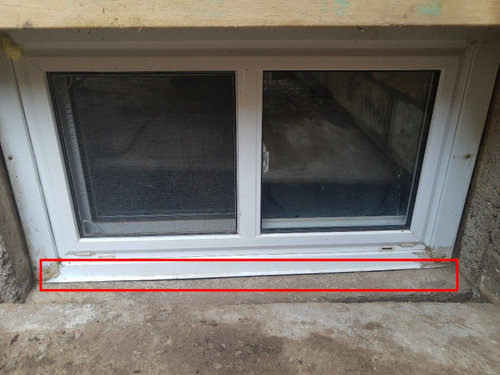
Leaky window needs sealing
3 years ago
Featured Answer
Sort by:Oldest
Comments (8)
 PRO3 years ago
Related Professionals
Plymouth Home Remodeling · Cowansville General Contractors · Tampa Bathroom Remodelers · Rocky Mount Bathroom Remodelers · Billings Bathroom Remodelers · Pullman Bathroom Remodelers · Bozeman General Contractors · Morgantown Home Remodeling · Lincoln Home Remodeling · Cleveland Home Remodeling · Burlington Home Remodeling · Cornwall Home Remodeling · Springfield Interior Designers & Decorators · Alexandria Interior Designers & Decorators · Elko Interior Designers & Decorators- 3 years ago
 3 years ago
 3 years ago
 PRO3 years ago
- 3 years ago
- 3 years ago

Related Stories

WINDOWSHow to Ditch the Drapes and Let Your Windows Shine
If your home has beautiful windows and you don’t need to hide a view, consider dressing them in these elegant, creative ways
Full Story
REMODELING GUIDESEnergy-Efficient Windows: Understand the Parts
You can save money and energy with today's windows — but first you need to know all the window parts and types
Full Story
GREAT HOME PROJECTSUpgrade Your Windows for Beauty, Comfort and Big Energy Savings
Bid drafts or stuffiness farewell and say hello to lower utility bills with new, energy-efficient windows
Full Story
HEALTHY HOMEGet Cleaner Indoor Air Without Opening a Window
Mechanical ventilation can actually be better for your home than the natural kind. Find out the whys and hows here
Full Story
Replace Your Windows and Save Money — a How-to Guide
Reduce drafts to lower heating bills by swapping out old panes for new, in this DIY project for handy homeowners
Full Story
HOUZZ TOURSMy Houzz: Yard Seals the Deal for an Eichler Home
Expansive indoor-outdoor living sold a couple on this midcentury California home, now brimming with vintage finds collected over time
Full Story
DECORATING GUIDESSolve Privacy Problems With Window Film
Let the light in and keep prying eyes out with an inexpensive and decorative window film you can apply yourself
Full Story
REMODELING GUIDESCharming Window Style Hinges on Hoppers
Hinged on the bottom and opening at the top, hopper windows are a great choice for bathrooms, basements and more
Full Story
WINDOWSKitchen Windows: 13 Classic and Creative Ideas
Big and tall, long and low, in an unexpected spot ... these ways with kitchen windows offer plenty of possibilities
Full Story
MODERN ARCHITECTUREKeep Your Big Windows — and Save Birds Too
Reduce bird strikes on windows with everything from architectural solutions to a new high-tech glass from Germany
Full StorySponsored

Customized Award-Winning Interior Design Solutions in Franklin Cnty OH


Joseph Corlett, LLC