

Water Filtration
2 years ago
Sort by:Oldest
Comments (3)
Related Stories
HEALTHY HOMEHow to Choose a Home Water Filtering System
Learn which water purification method is best for your house, from pitchers to whole-house setups
Full Story
SAVING WATER11 Ways to Save Water at Home
Whether you live in a drought-stricken area or just want to help preserve a precious resource, here are things you can do to use less water
Full Story
GREEN BUILDINGJust Add Water: Rain Barrel Magic
Take your rainwater storage from practical to beautiful with a new breed of design-friendly rain barrels
Full Story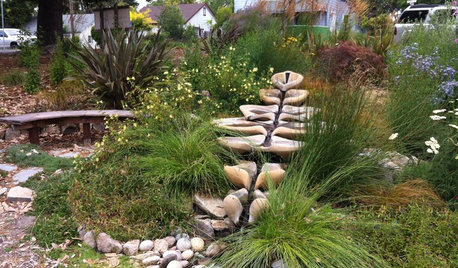
LANDSCAPE DESIGNNew Ways to Design With Water
Go beyond 3-tiered fountains and faux waterfalls to discover water's architectural possibilities
Full Story
GARDENING AND LANDSCAPINGGardens Tap Into Rill Water Features
Rooted in ancient design, this water feature is popular again as a way to help contemporary landscapes flow
Full Story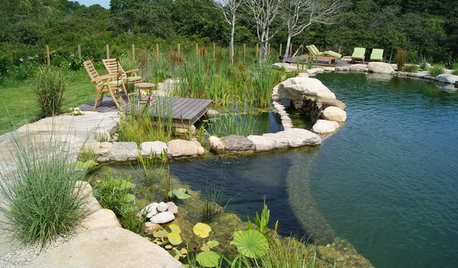
LANDSCAPE DESIGNSecrets of a Successful Water Garden
Relax. Having a water garden is much easier once you understand the basics
Full Story
HEALTHY HOMEA Guide to Indoor Air Purifiers
Get the lowdown on air filtration systems for your house and the important ratings to look out for
Full Story
EARTH DAYGrow a Beautiful Garden With Ecofriendly Greywater
Reducing home water waste means lower bills and a healthier planet. Here's how to set up a greywater home irrigation system that can help
Full Story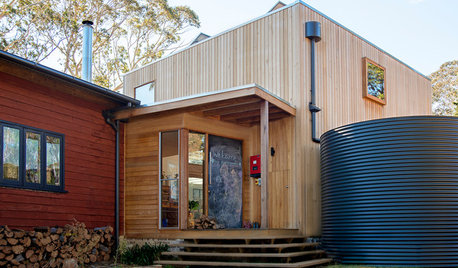
SAVING WATERIs a Rainwater Cistern Right for You?
These extra-large containers reduce runoff and save on the use of potable water for the landscape
Full Story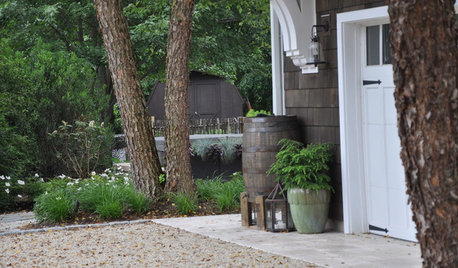
SAVING WATER6 Reasons Why You Should Save Your Rainwater Now
Collect and store during the rainy season so you’ll have water ready for irrigation when you need it
Full StorySponsored

Central Ohio's Trusted Home Remodeler Specializing in Kitchens & Baths
Jake The Wonderdog
Lindsey BradyOriginal Author
Related Professionals
Sebring General Contractors · Mount Vernon General Contractors · Middletown General Contractors · Escanaba General Contractors · Watertown General Contractors · Bend General Contractors · Fayetteville Home Remodeling · Wichita Home Remodeling · Edison Home Remodeling · Gillette Home Remodeling · Vincennes Bathroom Remodelers · Joplin Bathroom Remodelers · Saint George Bathroom Remodelers · Seattle Bathroom Remodelers · Tacoma Bathroom RemodelersJake The Wonderdog