

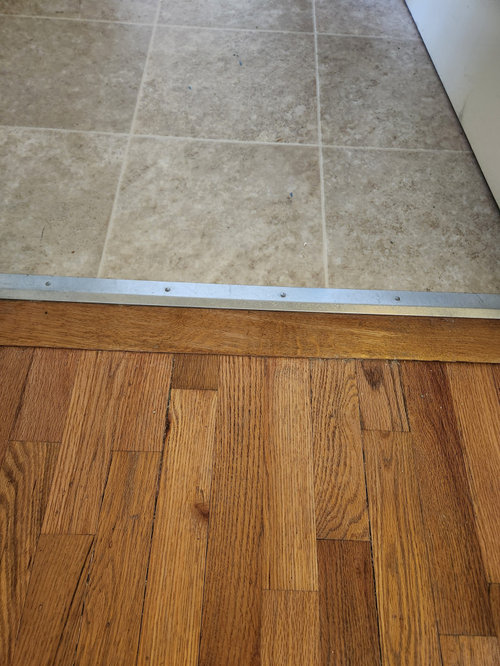
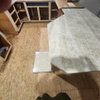
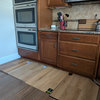
Floor transitions in a 1940's bungalow.
2 years ago
Featured Answer
Sort by:Oldest
Comments (9)
Related Professionals
Rochester Flooring Contractors · Hilo Flooring Contractors · Cornwall Flooring Contractors · Chatham Tile and Stone Contractors · London Tile and Stone Contractors · Florence Kitchen Remodelers · Napa Interior Designers & Decorators · Columbus Architects & Building Designers · Plainfield Kitchen & Bathroom Designers · Alpena Kitchen & Bathroom Designers · Marinette Furniture & Accessories · Sarasota Carpenters · Augusta Carpenters · Provo Carpenters · Parkersburg Custom Closet Designers 2 years ago
 2 years ago
 2 years ago
 2 years ago
- 2 years agolast modified: 2 years ago
- 2 years ago
- 2 years agolast modified: 2 years ago
Related Stories
HOUZZ TOURSHouzz Tour: Modern Bungalow’s Reverse Floor Plan Highlights Views
A kitchen, great room and outfitted deck make the top floor of this Los Angeles house the place to be
Full Story
HOUZZ TOURSMy Houzz: Budget-Minded Comfort for a 1940s Hollywood Bungalow
Plush furnishings, warm colors and a cottage garden give a first-time owner a house worth coming home to
Full Story
TRANSITIONAL HOMESHouzz Tour: 3-Story Design Extends a Bungalow’s Living Space
A couple stays within an approved footprint and gets more room by adding a basement and a loft to a new home’s design
Full Story
BATHROOM OF THE WEEKBathroom Renovation Restores a Craftsman Bungalow’s Spirit
An extensive remodel honors historical architecture while updating it for modern life
Full Story
TRANSITIONAL HOMESHouzz Tour: Embracing Old and New in a Montana Bungalow
This home’s exterior fits the historic neighborhood, but its new, more modern floor plan fits the owners’ lifestyle
Full Story
BEFORE AND AFTERSBefore and After: Bright New Look for a Chopped-Up Bungalow
The walls come down in a 1940s house to let in the light and give a family in British Columbia room to hang out together
Full Story
HOUZZ TOURSMy Houzz: Coastal Elegance for a 1917 Bungalow
Sea glass and beachy colors join the family silver and traditional seating in a 4-bedroom Florida home
Full Story
COASTAL STYLEKitchen of the Week: Vintage Beach Bungalow Style
A coastal color palette, retro details and modern amenities make life easy and cheerful in this 1940s home
Full Story
TRANSITIONAL HOMESHouzz Tour: New Life for a Texas Bungalow
An architectural collaboration between longtime friends highlights the historic character in this 1930s-era home
Full Story
HOUZZ TOURSMy Houzz: Minimalist Midcentury Bungalow in Canada
A 1940s Ontario bungalow gets a minimalist update with a clever architectural addition and a black and white palette
Full Story
J from Lakes Country