Software
Houzz Logo Print
redbird_tn

Old Gray Cemetery Noisette: Update and Request

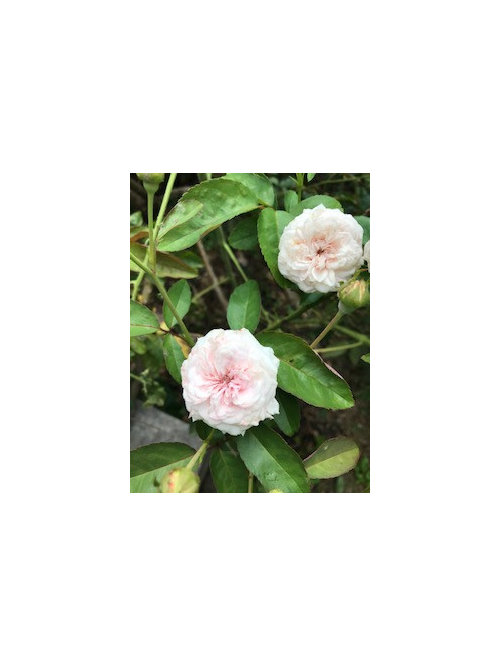
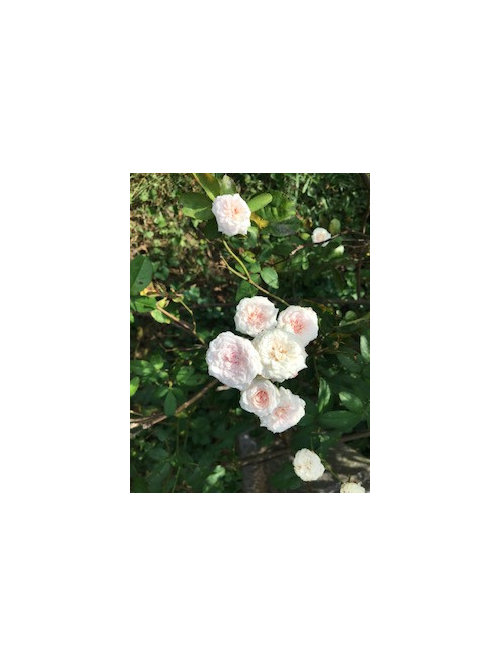
I am a volunteer with Old Gray Cemetery in Knoxville and am seeking information on “Old Gray Cemetery Noisette”. The current director and a trustee that I have been working with both treasure this rose and would love to have any available information on the rose.

In researching old forum posts, I understand that this rose was propagated by @stillanntn6b around 15 – 20 years ago and shared with Roses Unlimited to get it into commerce. The current director and trustee had no idea that it was in commerce (Rose Petals also lists it for sale) and are most grateful.


@stillanntn6b: I saw that you had posted photos and a link to a discussion from HRF With discussion of possible similarities related to a similar rose in South Carolina. The link is no longer working – it goes to the HRF main page. I am a member of HRF and tried searching for the discussion, but nothing came up. However, if you (or others who may know) can provide information related to the similar rose in South Carolina, I would be very appreciative.


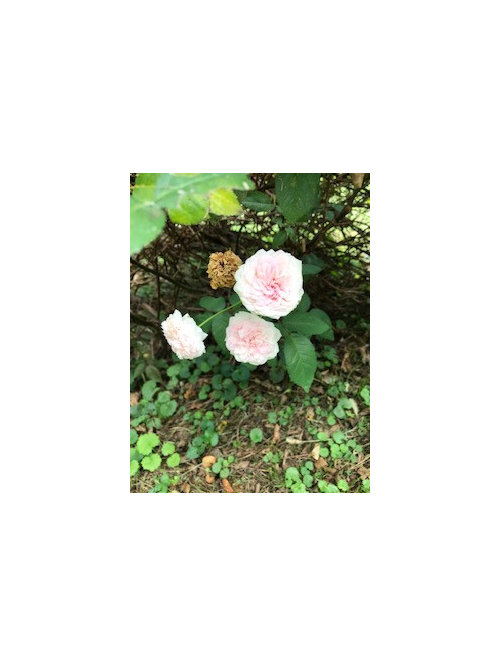
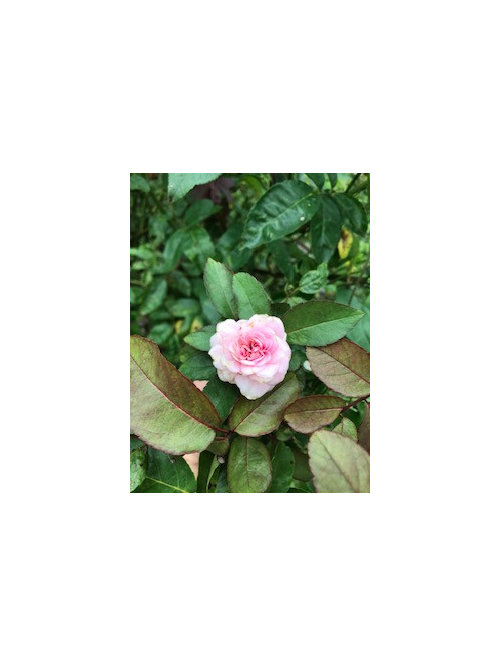
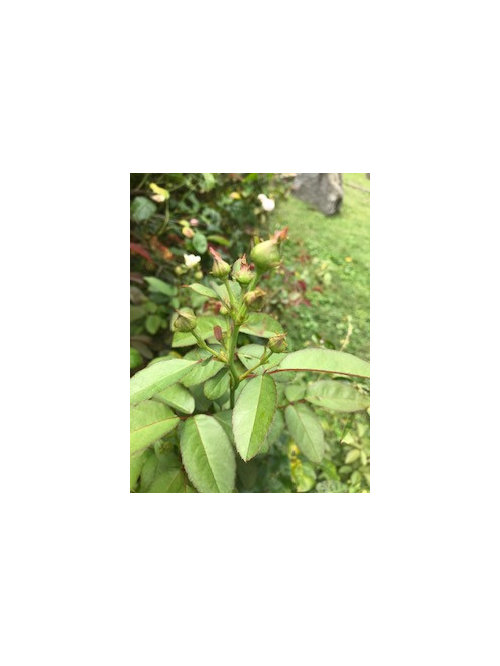
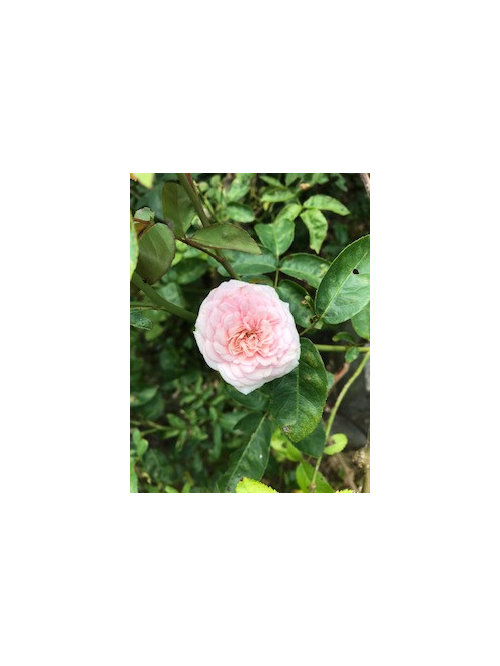
In the meantime, the parent plant is holding her own. The rose is planted between two stones – one from 1888 and one from 1911. It is slightly closer to the one from 1888. When I first started volunteering, the rose was covered in invasive vines and had three hackberry seedlings growing in the middle of it. The rose also had a fair amount of blackspot. It also had a lot of dead wood (where you grasp the stem, and it crackles right off). Our biggest challenge has been devilish thrips – ugh! I had never dealt with them in my yard (knock wood!), but I have learned a lot. The new leaf growth is healthy right now; the leaves come in as wine colored and then burgundy-green. The smell of the blossoms is sweet – the way simple syrup smells. It is close to 6 ½ feet tall. I keep the vines out, apply organic mulch, and prune dead wood. It is not watered regularly (there is no water source in the cemetery, so I have to haul it in) and not fertilized.


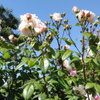
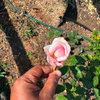
I am attaching photos from last summer/early fall and earlier to give y’all an idea of what the parent plant looks like. Again, if anyone has additional information on this rose, please contact me via Houzz mail or by posting here.


***Special shout-out to @fig_insanity Z7b E TN for his help and encouragement.

Comments (5)

  • 2 years ago
    last modified: 2 years ago

    Redbird, I don't think your @stillanntn6b went through, so I'm giving her another shout out ;)

    RedBird_7a EastTN thanked fig_insanity Z7b E TN
  • 2 years ago
    last modified: 2 years ago

    I'm sorry I missed your email.

    First about the blooms: they are that lovely, but sometimes not that deep a pink at center. Years ago, I had grabbed two aged blooms and took them to the Old Rose day up in Charlottesville VA.

    Neither Doug Seidel nor any of the noisette people there could identify them. What made those special was that the bloom had matured very slowly and inside the outer rings of petals the interiour petals were divided into quarters. The quartered area was about an inch wide. I haven't seen that since, but it HAS to be distinctive as all get out.

    My cutting grew very well in red clay until I didn't notice that a bird had dropped a muscadine grape seed in the growth area and the grape vine out competed the rose for moisture and I lost it.

    I lost a more recent plant to voraceous vole/mole populations. Companion plantings of daffodils slowe d them a bit.

    About the South Carolina plants. I saw one when we went to Orangeburg for the bicentennial of the Noisette Rose. Bill Patterson (Roses Unlimited) was there and introduced me to Mrs. Wannamaker who had found a 'similar' rose in the local cemetery called Sunset Cemetery. We went to her house and I saw her big bush. It was a more vigorous grower than Old Gray's but the canes had the same bark and the same look as they matured. She was growing it well. (She also had a Mutabilis that was misidentified as something else).

    The way the blooms mature at the end of canes and the way new growth emerges from those bouquets of blooms are why I called it a noisette because none of my collection of OGRs grew that way, which ties them to the R. moschata parent.

    We saw Bill last week and he is fine, they had sold out of Old Gray for this year. Back in Orangeburg he and I were comparing notes and he could only say very good things about OGN.

    I'm glad to hear the original plant survives. When I took the original cuttings it was under attack from termites.

    Ann


    eta Did the two Orleans Rose bushes ever come back. They had been driven over by the grounds drew. I do remember where they were (and shade was keeping them small).

    RedBird_7a EastTN thanked stillanntn6b
  • 2 years ago

    Thank you so much, Ann, for this information about both the OGC noisette and the rose in Orangeburg. It is intriguing. And I appreciate your description about the unique characteristic of the quartered inner section - I will keep an eye out for that. In the meantime, I will record this information in our binder (the rose has its own binder!) and share it with the director and trustee when I see them in a few weeks.


    As far as the Orleans rose bushes...they have not mentioned that there were ever any other roses besides the noisette. I have not walked every section of the cemetery, so I may have missed them. I will certainly ask.


    Best regards,

    Kim

  • 2 years ago

    Here's mine:


    The blooms are so tiny and so full of petals ...they routinely ball. My plant is a mass of hard little unopened blooms right now. It's healthy , a dense grower, and vigorous.

    RedBird_7a EastTN thanked erasmus_gw
  • 2 years ago

    @erasmus_gw Thank you for sharing the photo - those blooms are beautiful. I also appreciate you sharing the description of the rose in your yard.