

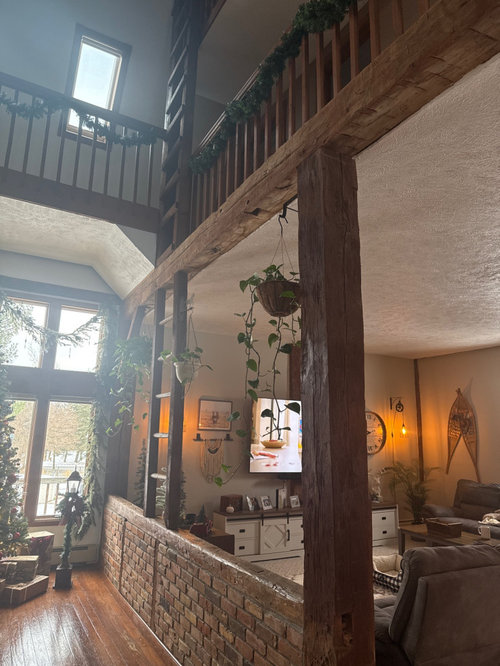
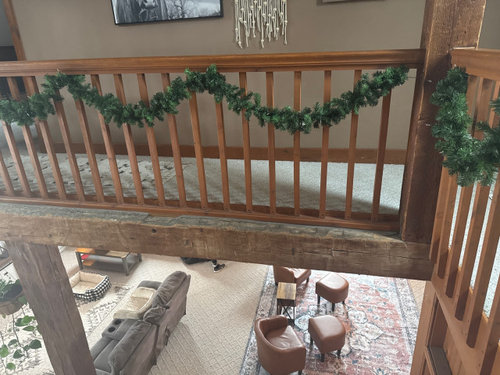
Should original beams be sealed?
last year


Sort by:Oldest
Comments (5)

Related Stories
HOMES AROUND THE WORLDHouzz Tour: Old Arches, Beams and Stones Become Au Courant
A renovation brings contemporary flair and original charm to a designer’s apartment on the French Riviera
Full Story
REMODELING GUIDESOriginal Home Details: What to Keep, What to Cast Off
Renovate an older home without regrets with this insight on the details worth preserving
Full Story
HOUZZ TOURSMy Houzz: Yard Seals the Deal for an Eichler Home
Expansive indoor-outdoor living sold a couple on this midcentury California home, now brimming with vintage finds collected over time
Full Story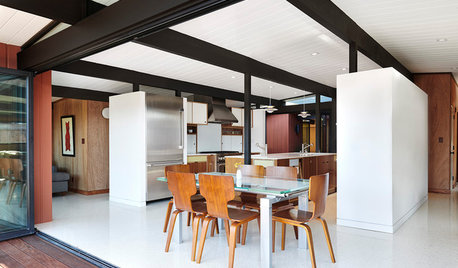
MIDCENTURY HOMESHouzz Tour: Remodel Honors Original Eichler Architecture
Converting the carport and bringing the den up to code help make a California home fun and safe for a family
Full Story
FLOORS10 Ways to Make the Most of Your Home’s Original Floors
Save yourself the cost of replacing your old floorboards with these tips for a new finish
Full Story
FLOORS11 Distinctive Finishes for Original Floorboards
Whether you go for glossy, painted or matte boards, make your wood floor the star
Full Story
REMODELING GUIDESLove the One You're With: Honoring a Home's Original Charm
Before you jump into teardown mode, consider these 3 examples of homes whose quirkiness is a draw
Full Story
BATHROOM DESIGNRoom of the Day: Sealed With a Kiss
A San Francisco girl’s bathroom room goes lip-smackingly bold
Full Story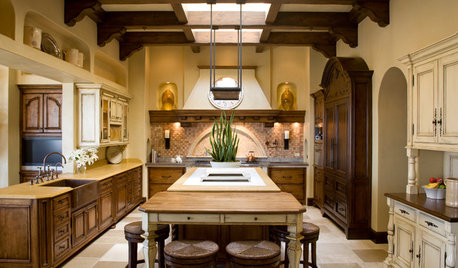
KITCHEN DESIGNNew This Week: 4 Kitchens That Wow With Wood Beam Ceilings
See how designers use structural and decorative wood beams to bring warmth and charm to a kitchen
Full Story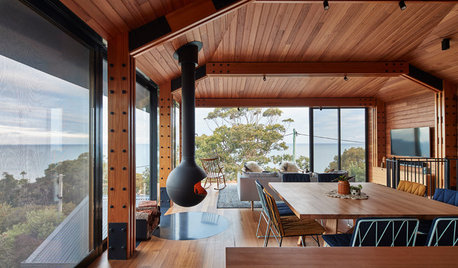
ADDITIONSHouzz Tour: Addition Preserves Original Postwar Beach House
A wood-and-glass box atop an Australian beach shack captures ocean views while blending into the bush
Full Story
beesneeds
Christine CaseOriginal Author
Related Professionals
Madison Cabinets & Cabinetry · Fort Myers Carpenters · Brattleboro Carpenters · Hilo Carpenters · Huntsville Flooring Contractors · Indianapolis Flooring Contractors · Ashland Flooring Contractors · Grand Rapids Flooring Contractors · Davenport Home Remodeling · Westminster General Contractors · Daytona Beach Home Remodeling · York Home Remodeling · Pueblo Home Remodeling · Baton Rouge Home Builders · Fort Dodge Kitchen & Bathroom DesignersChristine CaseOriginal Author
jrb451
beesneeds