

Can anyone help me ID this old (both literally and figuratively) rose?
last year

Featured Answer
Sort by:Oldest
Comments (15)
 last year
- last year
Related Professionals
Hot Springs Landscape Architects & Landscape Designers · Somerset Landscape Architects & Landscape Designers · DeRidder Landscape Architects & Landscape Designers · Philadelphia Landscape Architects & Landscape Designers · Reno Landscape Architects & Landscape Designers · Cornwall Landscape Architects & Landscape Designers · Vancouver Landscape Architects & Landscape Designers · Fayetteville Landscape Contractors · Elkton Landscape Contractors · Rolla Landscape Contractors · Waterloo Landscape Contractors · Lewiston Landscape Contractors · South Sioux City Landscape Contractors · Rocky Mount Home Builders · Des Moines Home Builders- last year
- last year
- last year
 last year
- last year
- last year
- last year
 last year
- last year
 last year
- last yearlast modified: last year
- last year






Related Stories

MOST POPULAR9 Real Ways You Can Help After a House Fire
Suggestions from someone who lost her home to fire — and experienced the staggering generosity of community
Full Story
LAUNDRY ROOMSThe Cure for Houzz Envy: Laundry Room Touches Anyone Can Do
Make fluffing and folding more enjoyable by borrowing these ideas from beautifully designed laundry rooms
Full Story
DECLUTTERINGCan’t Figure Out What ‘Sparks Joy’? Try This Question Instead
If you can’t decide whether to keep something or let it go, shift your perspective to find the answer
Full Story
MUDROOMSThe Cure for Houzz Envy: Mudroom Touches Anyone Can Do
Make a utilitarian mudroom snazzier and better organized with these cheap and easy ideas
Full Story
KITCHEN DESIGNThe Cure for Houzz Envy: Kitchen Touches Anyone Can Do
Take your kitchen up a notch even if it will never reach top-of-the-line, with these cheap and easy decorating ideas
Full Story
BEDROOMSThe Cure for Houzz Envy: Master Bedroom Touches Anyone Can Do
Make your bedroom a serene dream with easy moves that won’t give your bank account nightmares
Full Story
DECORATING GUIDES7 Bedroom Styling Tricks Anyone Can Do
Short on time or money? You can spruce up your bedroom quickly and easily with these tips
Full Story
UNIVERSAL DESIGNMy Houzz: Universal Design Helps an 8-Year-Old Feel at Home
An innovative sensory room, wide doors and hallways, and other thoughtful design moves make this Canadian home work for the whole family
Full Story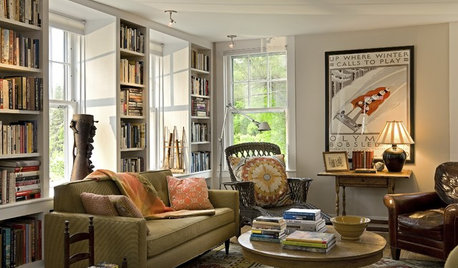
BUDGET DECORATINGThe Cure for Houzz Envy: Living Room Touches Anyone Can Do
Spiff up your living room with very little effort or expense, using ideas borrowed from covetable ones
Full Story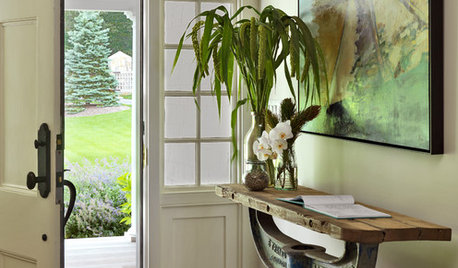
BUDGET DECORATINGThe Cure for Houzz Envy: Entryway Touches Anyone Can Do
Make a smashing first impression with just one or two affordable design moves
Full Story

jacqueline9CAOriginal Author