Software
Houzz Logo Print
glowgirlinto

Add molding for floor transition

4 months ago

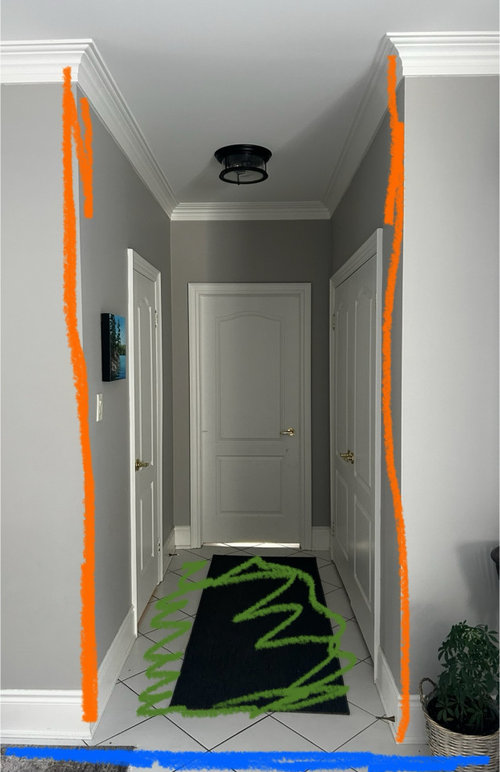
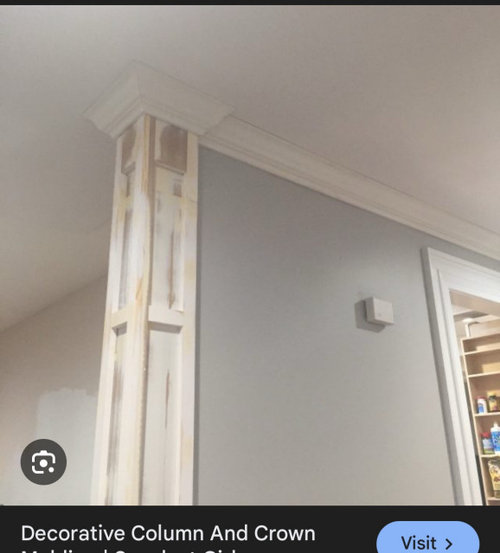
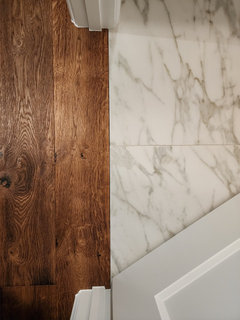
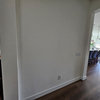
We need to do a wood-to-tile floor transition for this hallway. Blue shading will be hardwood and green area will be tile. There will be a transition strip of some kind, but I think it would look better and more intentional if we add molding to the outside corners (orange lines) - something bulky that gives off column vibes. See idea photo.

We do not have any extra crown molding to go around the top of these columns and tie into the existing crown. This crown runs through the entire main floor and it’s open concept. We can’t change the whole crown.

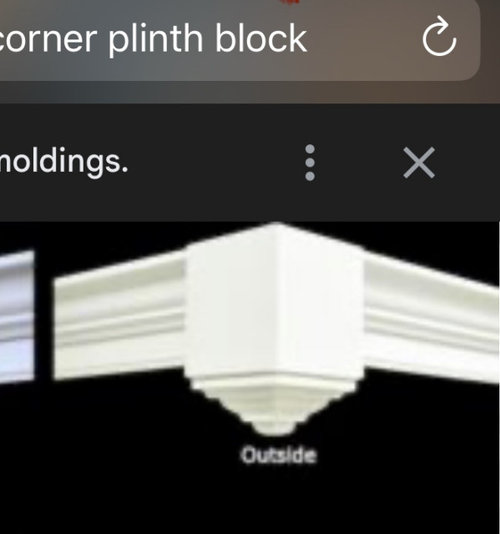
What if the columns had a plinth block kinda thing at the top? Likely that’s not the right name.

Any suggestions for how to make columns look good in this scenario? There are other spots on the main floor that we could add columns to it looks like intention design vs afterthought. Thank you.

Comments (14)

  • 4 months ago
    last modified: 4 months ago

    if the floors are level, the tile floor and the wood floor, a simple bead of color matched caulk is all you need.

    Make any wood trims as minimal as possible so not to draw attention to any transition.

    I personally would paint the hall area (just the three walls of the hallway, white rather than contrasting the walls and crown, doors and trim, to brighten the space. If you are adding a runner to the floor, then the floor will be the feature and not the contrasts of the doors. Then, jazz up the ceiling light fixture.

  • PRO
    4 months ago
    last modified: 4 months ago

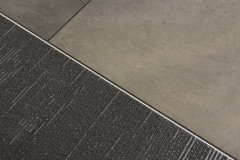
    Schluter makes the pefecrtpiece to do this and alsmost invisible and no sticky caulk to get gross so clean a perfect


  • 4 months ago
    last modified: 4 months ago

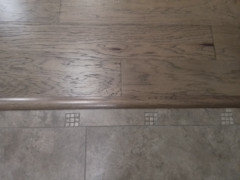
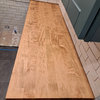
    I would absolutely say 'no' to using caulk as a material to transition from wood to tile. I like the look of the Schluter strip above, but the tile/wood heights would have to be exact. I am wondering if you are projecting a problem where none exists. I have the same situation transitioning from my porcelain tile entry hall to wood living room. A slightly rounded wood threshold was installed. It looks completely normal...it's done all the time. I do understand your comment about intentionality, though.


  • 4 months ago

    I love the traditional transition strip like this. I’m happy with this as the floor option, and maybe I am overthinking it heading into the hallway. I suppose I can always get the floors done and then add wood trim as needed after. We’ve slowing been adding wainscoting in various rooms so I thought it would all look cohesive

  • PRO
    4 months ago
    last modified: 4 months ago

    Why TWO different floors at all? Why not wood only and nothing more than a walk off runner mat on the wood floor, where you would have used tile?

    Will you not have some sort of walk off mat on the tile? Probably, yes?

    Skip the tile, use ONE continuous wood flooring, and eliminate any transition whatsoever.

    Call it easy UNDER thinking!

  • 4 months ago

    I wish we could!!! The wood will get destroyed, even with runners everywhere.

    Behind the doors are the laundry room with access doors to the garage, backyard and basement stairs. There is also a powder room on the left and the main coat closet on the right. With our kids and their friends, it’s a very busy spot. It’s mud/rocks/dirt half the year and then snow/sand/salt the rest of the time. Likely adding a pool in the next two years so wet feet will add on to that as well. I think tile is the only thing that will hold up to the chaos :)

  • 4 months ago

    ^ agree for sure

  • PRO
    4 months ago

    I think you are..... wrong?

    Every garage entrance in any climate, needs a six foot mat at the door to the house. It gets changed/vacuumed weekly. It is where all the grit enters your home. No tile floor is ever without a runner, as you still need to trap moisture and grunge, whether front foyer or back mud.....or any other entry.

    In a new build? Ninety percent will run the hardwood to both front and mud entrance.

    So........it's a routine and habit issue, and not the flooring: )


  • 4 months ago

    Jan, you’re not wrong. It is a routine and habit issue! I’m just not interested in fighting that battle in a house full of boys LOL

    I’m okay not following trends. This is a 30 year home for us and resale isn’t a concern. I really want it to work for our family.

    But I hear the consensus on the columns. I have a love of adding trim work to this house but perhaps it’s overkill.

  • PRO
    4 months ago

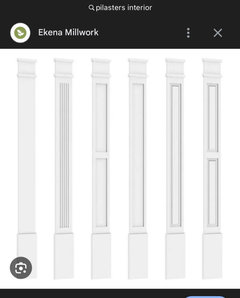
    Instead of just having moulding on the corner could you build engaged pilasters? The current crown moulding you have would make a nice capital and the wall base would make a nice base for the pilasters.

  • 4 months ago

    @norwood I had to Google the term pilaster, but yes, that’s the proper term for the look I have in my head. Thank you! I’m not a big fan of fluting, but there are many looks and options from what I can tell on Google. This would also tie in nicely with the wainscoting I’ve done so far :)

  • 4 months ago

    Don't highlight or call attention to the tile-to-wood floor transition.

    My engineered wood floors were cut and installed very close to the tile with no transition strips or fillers needed. No issues since we built nearly 4 years ago.

    Also no need to highlight the area with columns, trim or anything else. Keep it simple.


    We also did tile in our back hallway and we don't even have winters or kids in the house!

    The back hallway, mudroom and laundry is where our 3 dogs stay when we are gone for a few hours. No regrets doing tile there, specially the time I returned from taking my DH to a medical appointment and one of the big dogs had a stomach bug with diarrhea. So glad it was on porcelain tile and not on my engineered wood floors!

    Do what works for your family and not what some person on the internet thinks is "the only" way to do things!


  • 4 months ago

    It will look like you tried to get one hallway into ancient Rome. Just floor transition, and you'll never notice it again.