


Matelasse
Embossed, woven or stitched patterns on a single layer of heavyweight fabric make for matelasse

Matelasse is an embossed pattern on a single layer of fabric. The raised design can be created by hand stitching, by weaving on a loom or by a machine, resulting in a heavyweight, monotone fabric. Developed in the 18th century, matelasse textiles symbolized purity and refinement in the home.
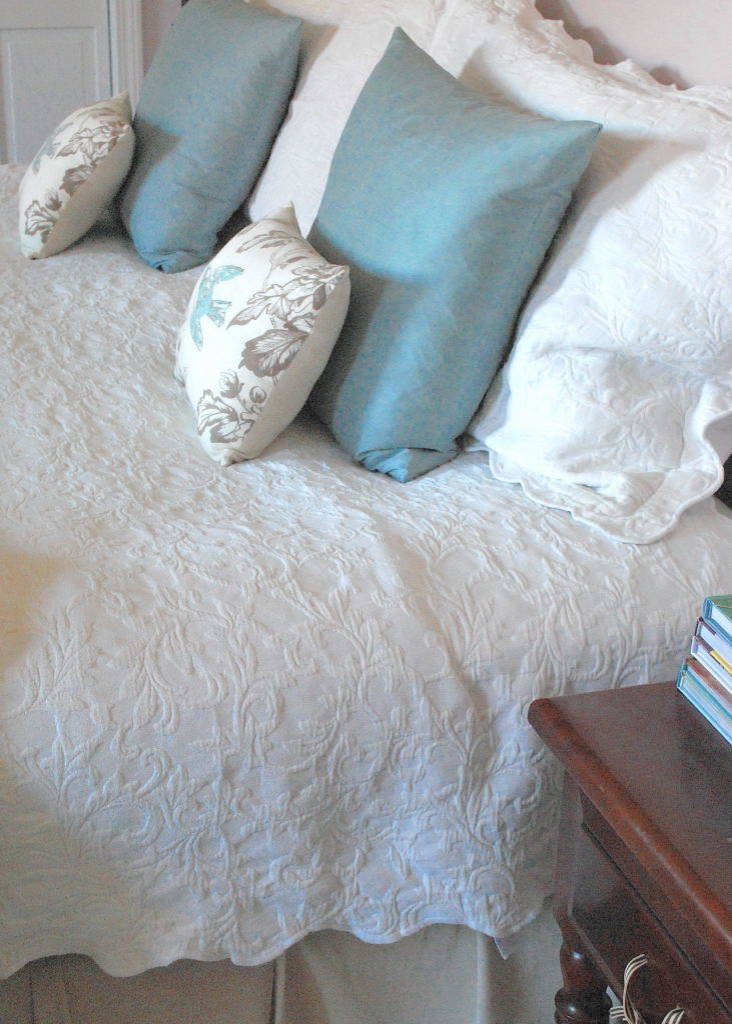
Heavyweight matelasse fabrics are typically used for bedcovers, often called counterpanes. The dense fabric lies flat, does not wrinkle easily and has a nice, crisp finish. Lighter versions of matelasse can be used for clothing.
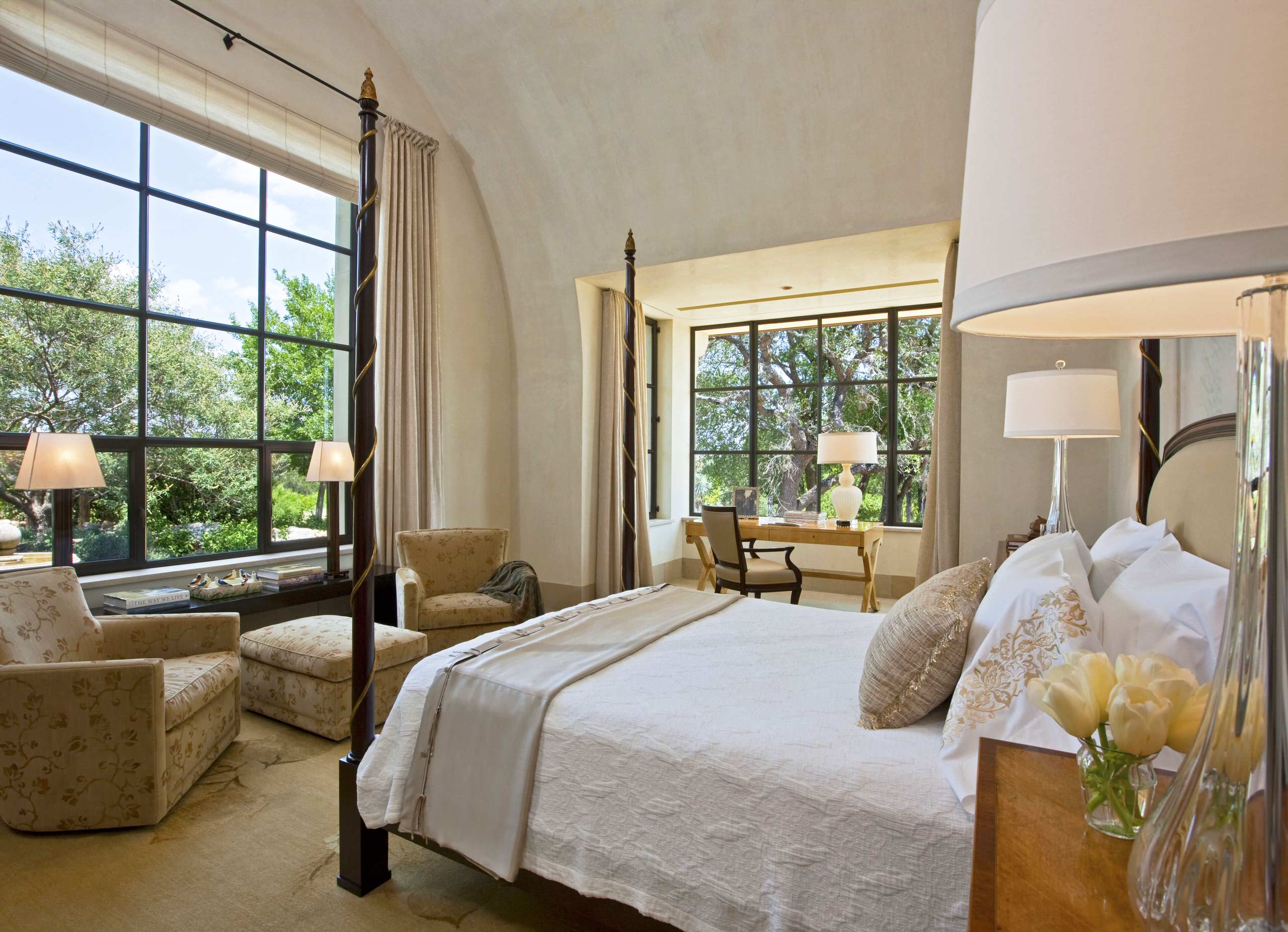
Matelasse fabrics can be hand stitched or woven on a jacquard or dobby loom. A jacquard loom is used for weaving intricate upholstery tapestries, and a dobby loom is used for weaving simple lines or patterns, similar to those of the piqué cotton used for polo and tennis shirts.
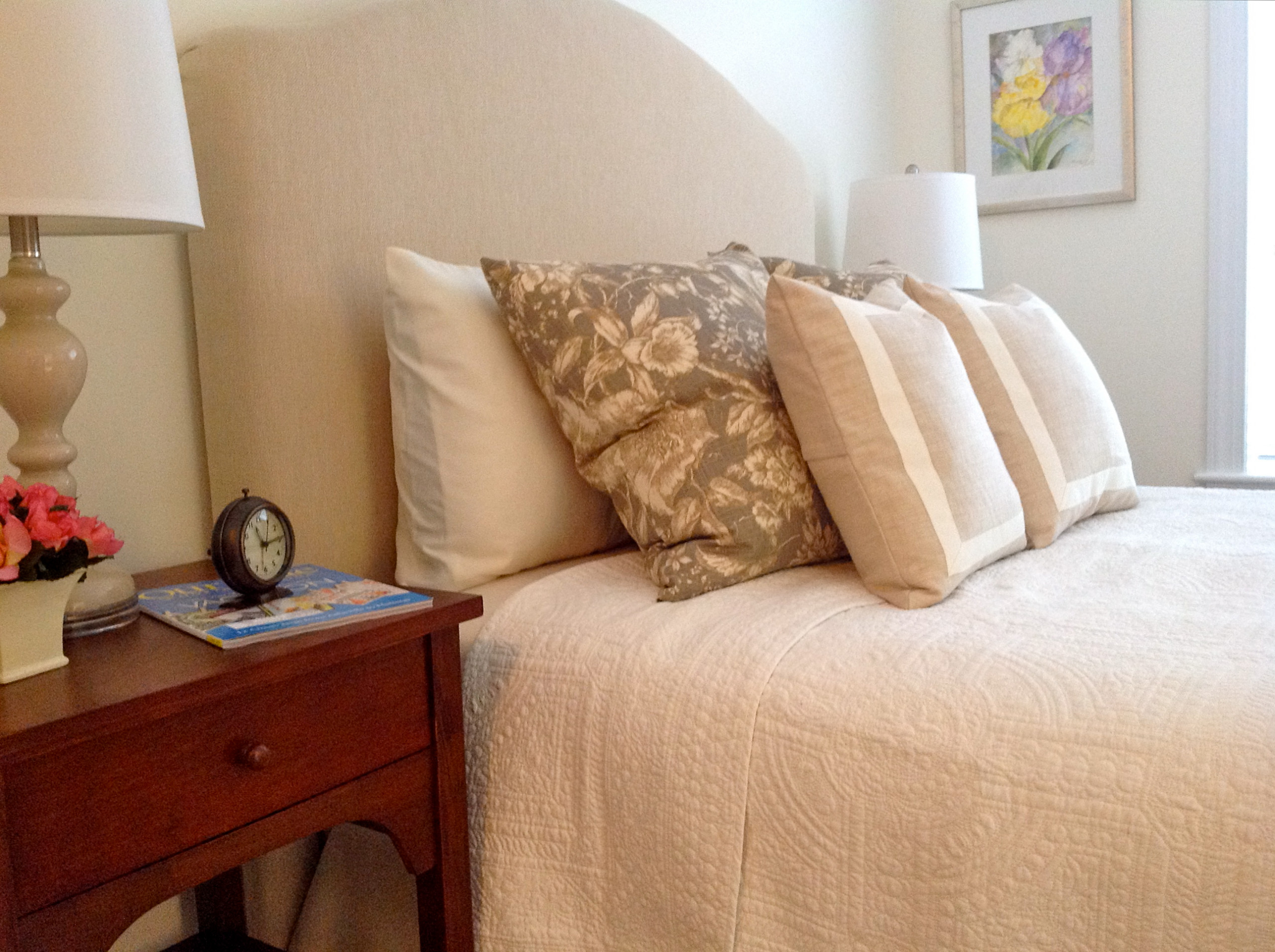
Similar to quilts, the design on matelasse fabric can look padded, but there is only one layer of fabric; the puffiness is created with the stitches.
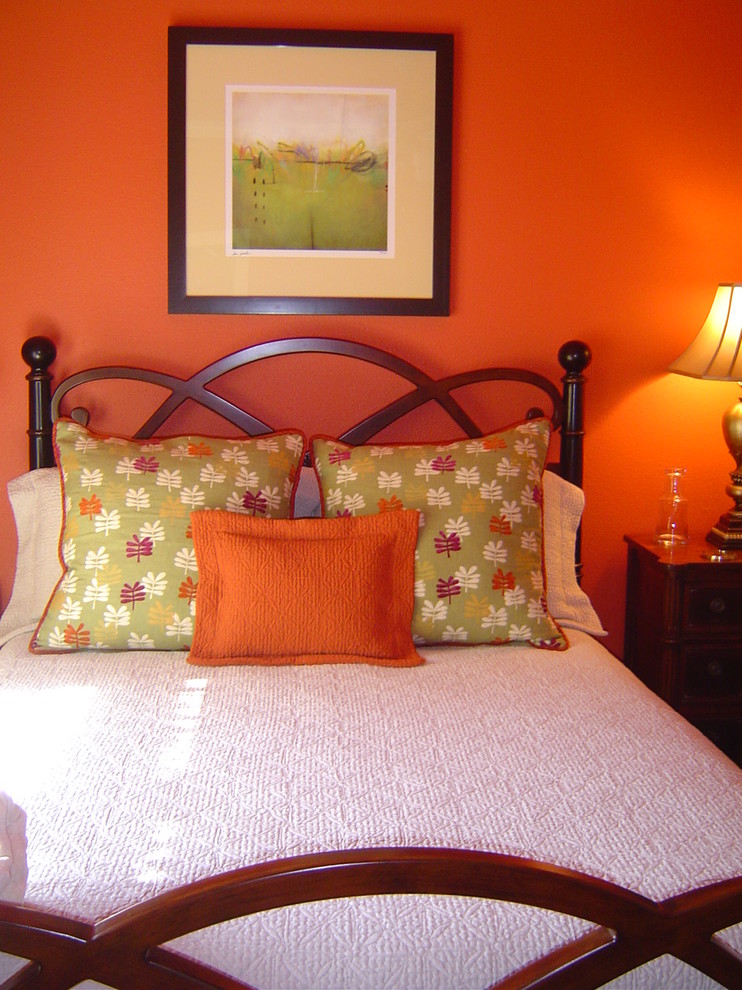
A quilt can be made with many colors or fabrics stitched together, whereas matelasse fabric is white on white, or at least monotone, and relies on the texture for its design.
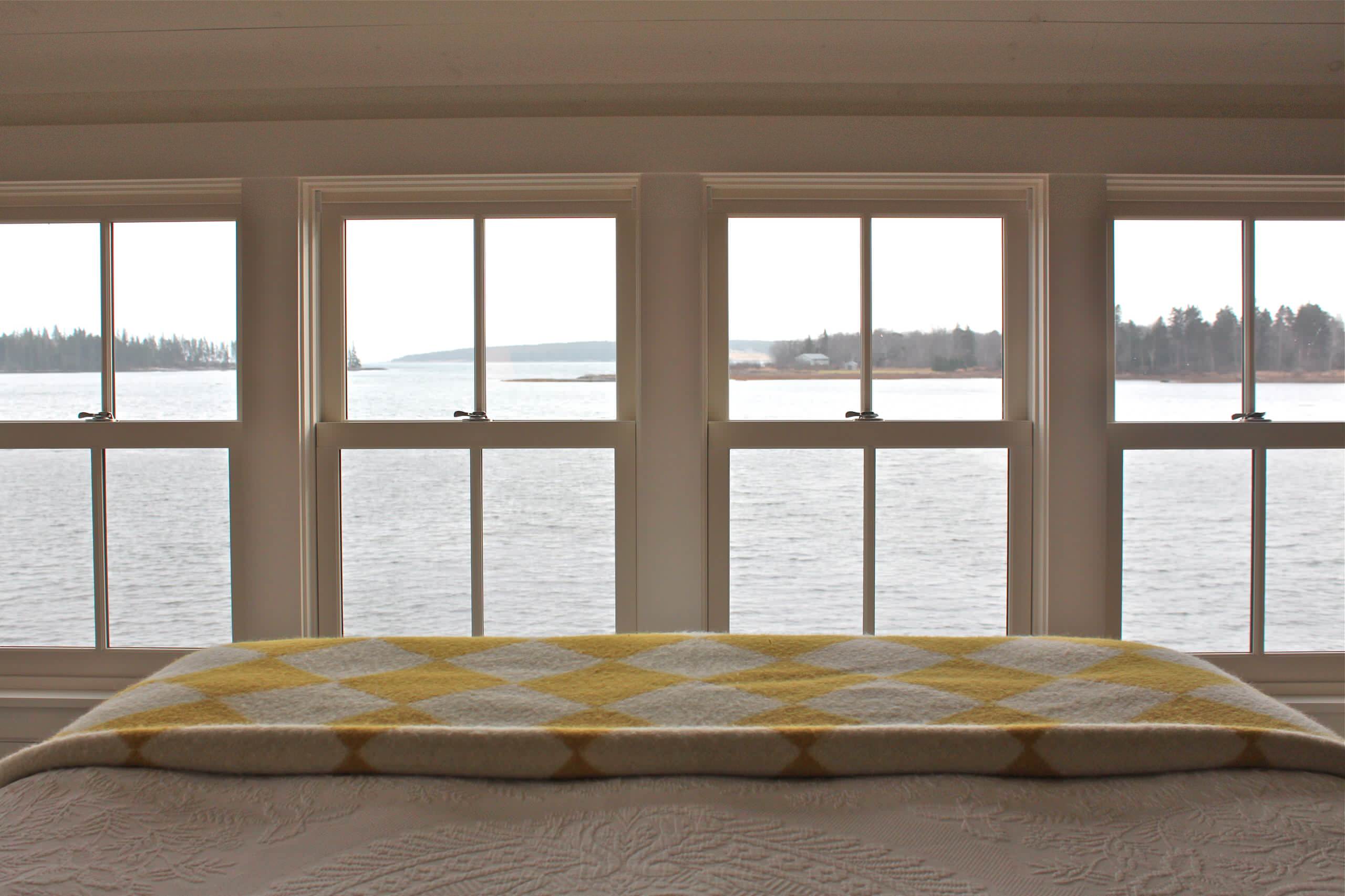
The matelasse bedcover in this image has been woven with chenille thread, which is a cotton or synthetic yarn that has fuzzy fibers wrapped around a compact core, as with a pipe cleaner.
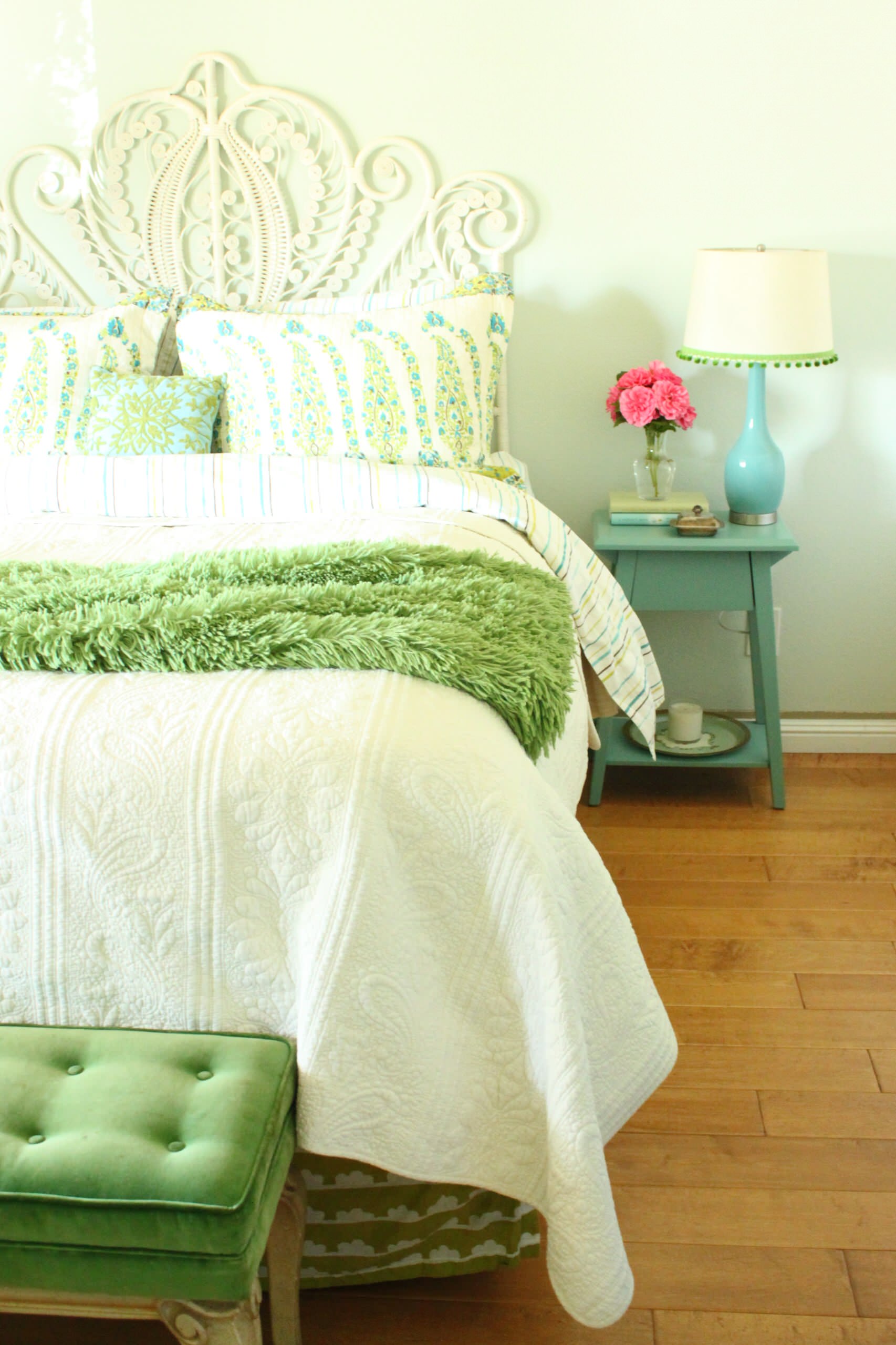
The names for bedcovers made by quilting or by matelasse are used interchangeably. The theory is that matelasse fabric was invented after handmade quilts from Marseilles, France, became the height of fashion. Tiny wads of stuffing were sewn into intricate patterns for the quilts, but creating the material was labor intensive, and the quilts were very expensive. Matelasse fabric could be woven on a loom to create a similar appearance more quickly and at a lower cost.
Sponsored

Innovative & Creative Custom Closet Designer Servicing Franklin County
