
Flowers and Plants

Gardening Guides

Central Plains Gardening





Support Fall Pollinators With Eupatorium Altissimum
Tall thoroughwort, also called tall boneset, is an adaptable native of the central to eastern U.S. with bright white flowers

With fall comes the beginning of a significant new bloom season, especially as the aster family gets in gear. Sunflowers, asters, false asters, goldenrods and thoroughworts are just some of the many native plants that brighten the world this time of year. And boy oh boy, they support pollinators in great numbers.
There are several bonesets, or thoroughworts, that start blooming in autumn, including tall thoroughwort (Eupatorium altissimum), a tall grass prairie and eastern meadow native noted for its puffs of white flowers and stout stems.
There are several bonesets, or thoroughworts, that start blooming in autumn, including tall thoroughwort (Eupatorium altissimum), a tall grass prairie and eastern meadow native noted for its puffs of white flowers and stout stems.
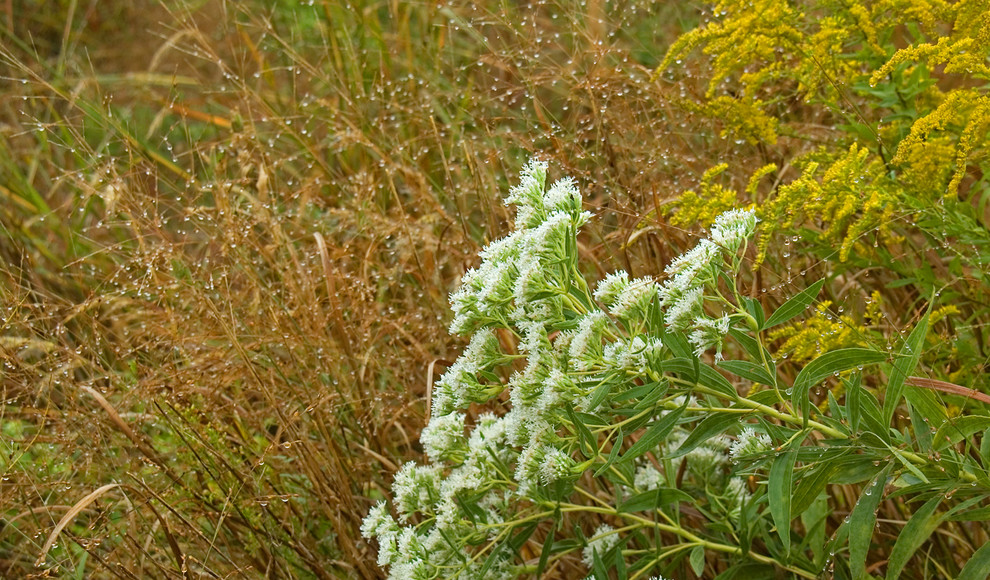
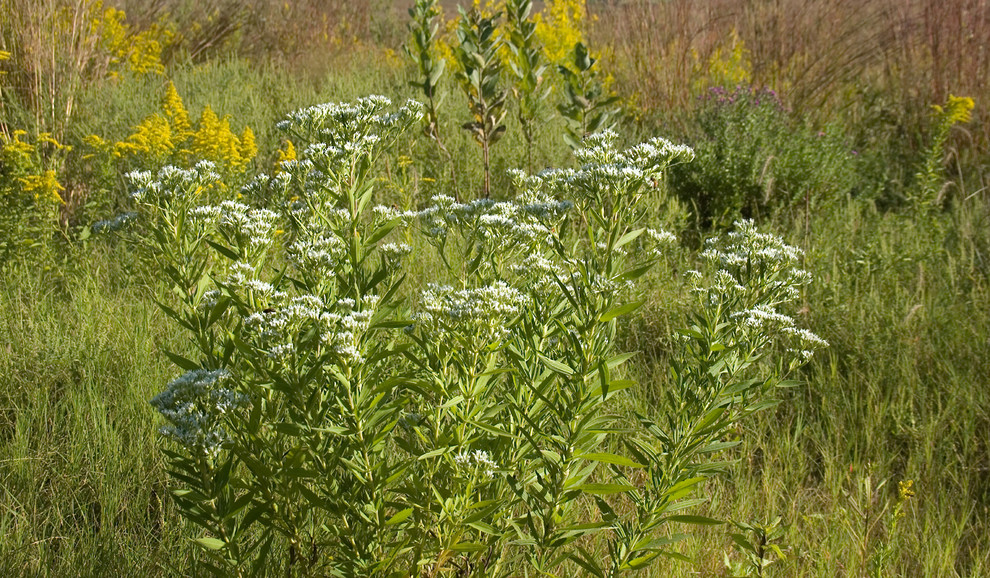
Distinguishing traits. Tall thoroughwort begins blooming in late summer in the northern part of its range and about a month later in the south. The flowers attract large numbers of pollinators over several weeks, in a crucial season when many insects are preparing to overwinter or are migrating through. The leaves are somewhat serrated and several inches long but do not provide particularly dense cover. As the stems rise, large umbels form before bright white flowers open.
Animals rarely browse its bitter foliage. However, tall thoroughwort hosts several moth species, and soldier beetles are particularly fond of it, as are some beneficial wasps. Crab spiders will often hide in the blooms waiting for a meal.
Animals rarely browse its bitter foliage. However, tall thoroughwort hosts several moth species, and soldier beetles are particularly fond of it, as are some beneficial wasps. Crab spiders will often hide in the blooms waiting for a meal.
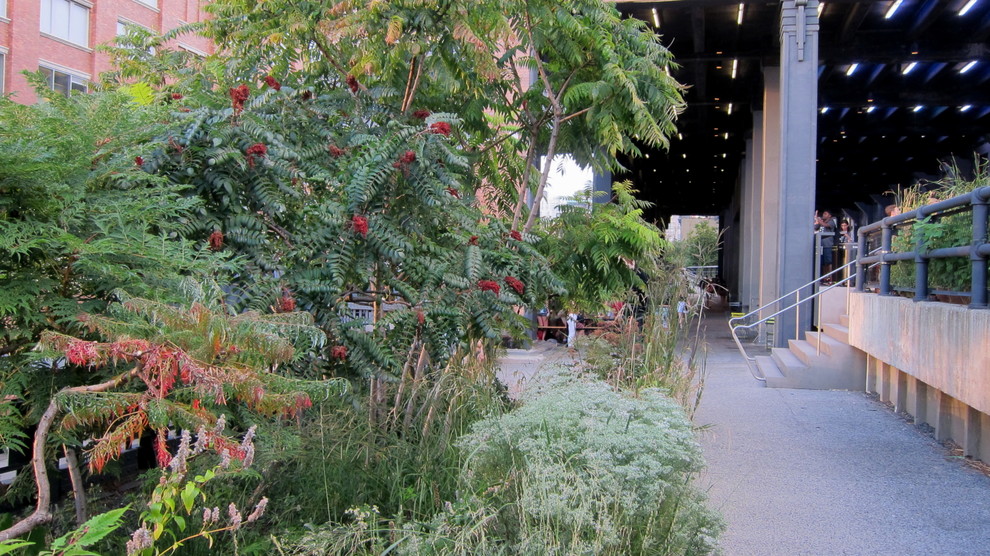
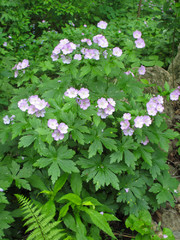
Eupatorium altissimum is pictured at bottom right. Photo by K M
How to use it. Massing several plants will help draw attention to the texture and blooms in a larger space, but tall thoroughwort can also shine as a single specimen — it can get 3 to 4 feet wide.
It looks good coming out of a stand of native grasses, from shortgrasses, like sideoats grama (Bouteloua curtipendula), to tallgrasses, like switchgrass (Panicum virgatum) and Indian grass (Sorghastrum nutans). It has a decent yellow to tanned-orange fall color and good winter form, and is often able to stand up to the heaviest snows.
How to use it. Massing several plants will help draw attention to the texture and blooms in a larger space, but tall thoroughwort can also shine as a single specimen — it can get 3 to 4 feet wide.
It looks good coming out of a stand of native grasses, from shortgrasses, like sideoats grama (Bouteloua curtipendula), to tallgrasses, like switchgrass (Panicum virgatum) and Indian grass (Sorghastrum nutans). It has a decent yellow to tanned-orange fall color and good winter form, and is often able to stand up to the heaviest snows.
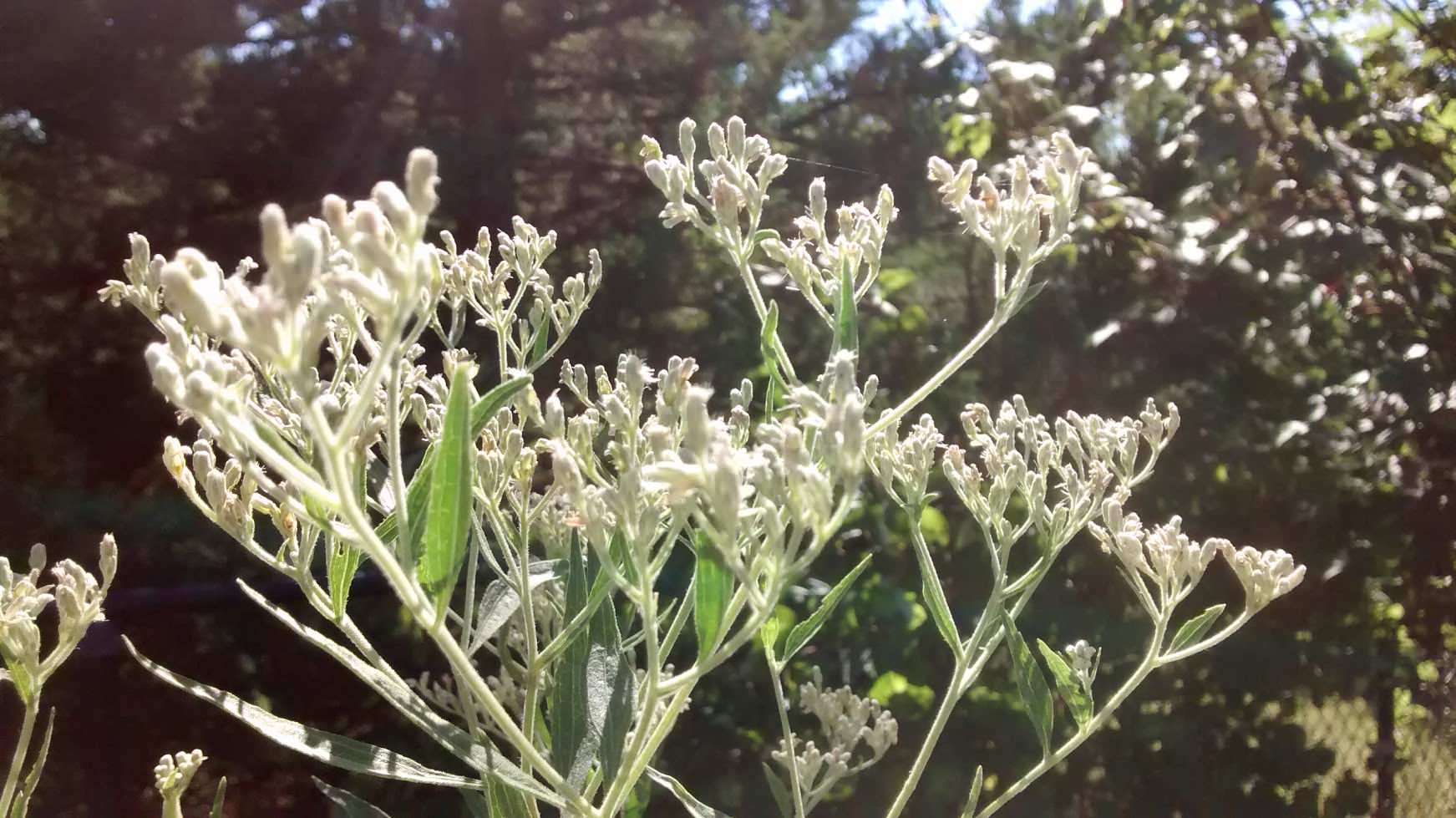
Planting notes. Tall thoroughwort adapts pretty well to soil moisture and can thrive in both clay and somewhat rocky or sandy soils. It will lightly self-sow throughout the garden, especially if there’s open soil and the plant cover is not thick, but it’s not often a bother. Cut back 50 percent in early summer to have a shorter, bushier form in fall. Otherwise leave it to its own devices for added height and structure in the garden.
More
See more Great Design Plants
Garden Design for Wildlife and Less Work
More
See more Great Design Plants
Garden Design for Wildlife and Less Work

Sponsored

Common names: Tall boneset, tall thoroughwort
Origin: U.S. native from South Dakota to Texas, east to Massachusetts and northern Florida
Where it will grow: Hardy to minus 30 degrees Fahrenheit, or minus 34.4 degrees Celsius (USDA zones 4 to 8; find your zone)
Water requirement: Slightly moist to slightly dry soil
Light requirement: Full sun to light shade
Mature size: 4 feet tall and 3 to 4 feet wide
Benefits and tolerances: Deer typically do not browse it; tolerates a range of soils; attracts pollinators
Seasonal interest: White flowers last several weeks in late summer or early fall; good winter form
When to plant: Potted or bare-root plants can be planted spring to fall; sow seeds in fall or winter. (The seeds will need cold winter stratification and light to germinate, so scatter them on the soil surface and press them in firmly.)