
Search results for "Amending" in Home Design Ideas
 Jay Sifford
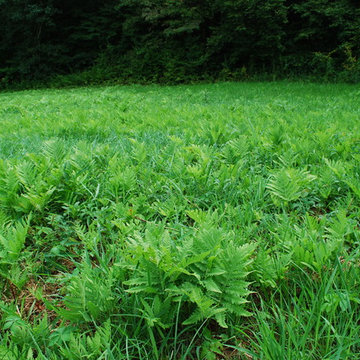
Sensitive Ferns in New York field. Photo by Jay Sifford.
Photo of a landscaping in Charlotte.
Photo of a landscaping in Charlotte.



 Urban Oasis Landscape Design
A “Little Free Library” with a bespoke rustic bench on the outside of the wall has become a neighborhood gathering spot.
Photo of a small eclectic drought-tolerant and full sun front yard stone and stone fence landscaping in Los Angeles for spring.
Photo of a small eclectic drought-tolerant and full sun front yard stone and stone fence landscaping in Los Angeles for spring.
Find the right local pro for your project

 Terra Design
Circular brick patio edged with boxwood hedge. Clematis climb obelisks painted black.
Photo by David E. Perry
Photo of a large traditional backyard brick formal garden in Seattle.
Photo of a large traditional backyard brick formal garden in Seattle.

 The Green Room Landscape Architecture
This sensational Arcadia ranch was completely reimagined for the new homeowners needs and desires. Our design parameters were to create balance, drama, and playfulness with some strategically placed container gardens and landscape amendments peppered throughout. The use of unique and hardy specimen cacti and succulent in combination with blooming perennials and lavenders were forefront in designing the unique statements. Green, dramatic contrast, coupled with softness and balance were used to design this clean, sophisticated look in Arcadia.

 Avid Landscape Management LLC
Pennsylvania Blue Flagstone patio; part of a larger installation (a lawn conversion) which also included drip irrigation, outdoor LED lighting, soil amendments and new plants.



 Elevate Outdoor
A combination of practicality and beauty. Two serpentine retaining walls culminate into a grand staircase that connects living space and yard.
Design ideas for a mid-sized traditional shade backyard retaining wall landscape in St Louis.
Design ideas for a mid-sized traditional shade backyard retaining wall landscape in St Louis.
 Avid Landscape Management LLC
Pennsylvania Blue Flagstone patio; part of a larger installation (a lawn conversion) which also included drip irrigation, outdoor LED lighting, soil amendments and new plants.
 Catherine L Kauer Landscape Architect, Contractor
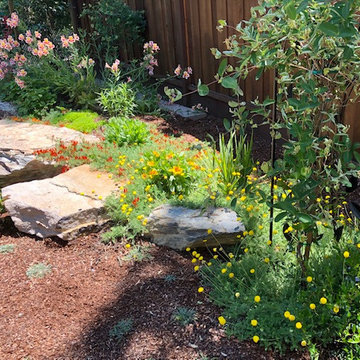
Boulders create a horseshoe-shaped outdoor room for the fire pit, with large boulders as a retaining wall with low water plantings, flowering vines, Apple trees, seasonal repeat flowering, succulents and organic mulch and compost soil amendment.
 Steve Masley Consulting and Design
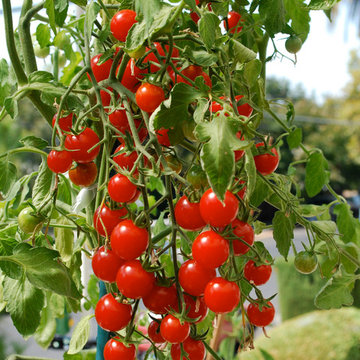
'Sweet 100' cherry tomatoes growing in a 15-gallon terra-cotta pot. Container-grown tomatoes are more susceptible to blossom end rot, but cherry tomatoes like 'Sweet 100', 'Sungold', and 'Black Cherry' rarely have this problem. Photo by Steve Masley
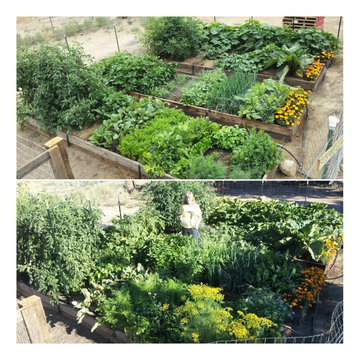
 Full Circle Soils & Compost
Full Circle: Huge Reno Garden With KICK Garden Soil and BOOST Soil Amendment. It Is Possible To Grow Big In Northern Nevada! You Just Need The Right Soils That Is Made For Nevada!
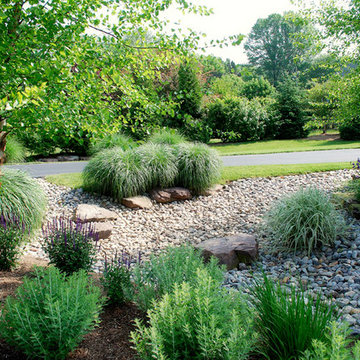
 Sisson Landscapes
An infiltration basin gets all dressed up!
This is an example of a transitional landscaping in DC Metro.
This is an example of a transitional landscaping in DC Metro.

 Caela McKeever
Photo: Caela McKeever © 2017 Houzz
Design ideas for an eclectic landscaping in Seattle.
Design ideas for an eclectic landscaping in Seattle.
 John
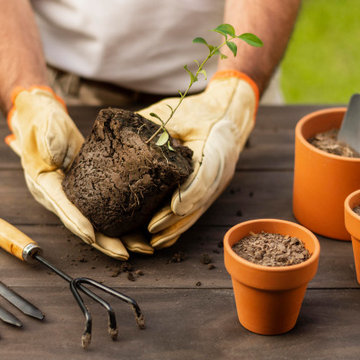
JohnCoco coir is a versatile and sustainable growing medium that is gaining popularity among gardeners. Made from the fibrous husk of coconuts, it’s an eco-friendly alternative to peat moss and can greatly enhance the quality of your soil. In gardening, it is often utilized in systems like Coco Coir Hydroponic, where it helps create an efficient water and nutrient delivery system.
What is Coco Coir?
Coco coir is a natural fiber extracted from coconut husks. It has a neutral pH, excellent water retention, and is reusable, making it a favorite among gardeners who prefer organic and sustainable practices. It is available in different forms such as blocks, bricks, or loose coir, each requiring some preparation before use in gardening.
Benefits of Using Coco Coir in Gardening
Coco coir offers several advantages for gardening. Here are the benefits of using coco coir in gardening:
Holds up to 10 times its weight in water, ensuring plants have consistent moisture.
Promotes oxygen flow to plant roots, leading to healthier root systems.
Coco coir is a renewable and eco-friendly alternative to peat moss.
It can be washed, rehydrated, and reused, reducing waste.
Naturally pH neutral, making it suitable for various plants without major adjustments.
Enhances the texture and moisture retention of garden soil.
How to Prepare Coco Coir for Planting
Preparing coco coir for planting involves a few essential steps. First, you need to hydrate the coir block, as it typically comes in a compressed form. Place the block in a large container and add warm water, allowing the block to expand and absorb the water. Once fully expanded, the coir should be fluffed up by breaking it apart with your hands or a tool to ensure it becomes loose and airy. After the coir has been fluffed, it is important to drain any excess water, as overly wet coir can lead to root suffocation. Finally, since coco coir is inert and does not contain nutrients, it’s a good idea to add organic compost or liquid fertilizer to enrich the coir before planting.
Do You Need to Soak Coco Coir Before Planting?
Yes, soaking coco coir before planting is necessary. Since it comes in a compressed form, it needs to be broken down and hydrated for proper use. The soaking process allows the coir to expand and release the fibers, making it usable as a growing medium. After soaking, the coir should be fluffed to ensure the water is evenly distributed. Draining any excess water is crucial because overly wet coir may impede plant root health.
How to Prepare Coco Peat for Planting
Coco peat, a fine, powdery form of coco coir, is highly beneficial for seed starting and improving water retention in soil. To prepare coco peat, it first needs to be hydrated, similar to how you prepare coir blocks. Slowly add water to the peat in a container and allow it to absorb and fluff up. Once hydrated, coco peat can be used on its own or mixed with other growing media such as perlite or vermiculite for added aeration and drainage. It is advisable to check the pH level of your final mix, as coco peat generally has a neutral pH, but adjustments may be necessary depending on the plants being grown.
Can You Use Just Coco Coir for Plants?
Yes, coco coir can be used by itself to grow plants, especially in hydroponic systems or as a seed-starting medium. However, because coco coir does not naturally contain nutrients, you will need to provide regular fertilizer to support plant growth. This makes it particularly suitable for plants grown in controlled environments, such as hydroponics, where nutrient solutions can be carefully managed. In traditional soil-based gardening, mixing coco coir with other organic materials like compost is recommended to provide essential nutrients and improve the overall soil structure.
How to Use Coco Coir in Hydroponics
Coco coir is widely used in hydroponic systems due to its water retention and aeration properties. To use coco coir in hydroponics, it first needs to be soaked and hydrated, as discussed earlier. Once the coir is fully prepared, it can be placed in the hydroponic system. Since coco coir does not contain natural nutrients, you will need to supply a balanced nutrient solution tailored for hydroponic plants. Regular monitoring of water and nutrient levels is essential to prevent nutrient imbalances or root rot. One of the benefits of coco coir in hydroponics is its reusability. After completing a growing cycle, the coir can be washed, rehydrated, and used again in future plantings.
Using Coco Coir as a Soil Amendment
Coco coir is also an excellent soil amendment, as it improves the texture and moisture retention of garden soil. To use coco coir in this way, mix loose coir with your existing garden soil at a ratio of one part coco coir to two parts soil. This will help retain moisture without compacting the soil, improving both water drainage and root growth. For optimal results, you can also add organic compost to the mix, ensuring that the nutrient levels are sufficient for plant growth. Coco coir works particularly well in raised beds, where it helps maintain proper soil structure over time.
Advantages of Using Coco Coir Over Peat Moss
While peat moss has been traditionally used as a growing medium, coco coir offers several advantages over it. Coco coir is a renewable resource, as it is a byproduct of coconut processing, while peat moss is harvested from peat bogs that take centuries to regenerate. Coco coir is also more durable, as it can be reused multiple times without breaking down, while peat moss disintegrates after a single use. Another key benefit is its neutral pH, whereas peat moss is more acidic and may require balancing to meet the needs of specific plants.
Conclusion
Coco coir is a highly versatile and sustainable growing medium that benefits both novice and experienced gardeners alike. Whether you are using it for hydroponics, as a soil amendment, or as a standalone medium for growing plants, knowing how to properly prepare and use it is key to maximizing its benefits. By following the steps detailed above, you can improve water retention, aeration, and overall plant health in your garden, all while contributing to eco-friendly gardening practices.

 PremierWest Construction
Peter Amend
Inspiration for a rustic master dark wood floor bedroom remodel in Other with beige walls
Inspiration for a rustic master dark wood floor bedroom remodel in Other with beige walls
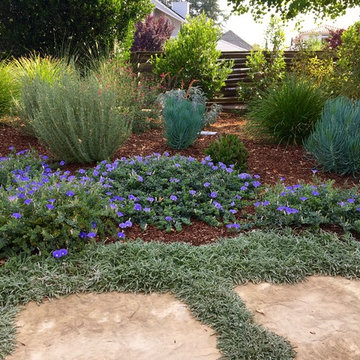
 Just in Thyme Landscape Design
A retired client wanted to jazz up the entrance to her home but leave the orchard, veggie beds and hardscape the way it was. Since she does all the maintenance herself, I wanted to make sure she wouldn't have too many weeds so we used the winter months to sheet mulch the area, killing the massive amount of existing weeds & enriching the hard soil. This worked beautifully.
We added a flagstone pathway with Dymondia between the stones and a small area for her new bench to sit and enjoy the garden. She didn't want plants under her messy tree, so we decorated that area with pots. She has a huge deer & gopher problem which is why she hangs the white ribbons to scare away the deer from her fruit trees.

 Home & Garden Design, Atlanta - Danna Cain, ASLA
The owners of this tiny front yard craved an interesting front yard that was colorful, drought tolerant and filled with herbs. We began by tearing out the hillside of junipers and overgrown hollies against the house. We created an interesting bedline, added boulders for visual interest and lots of good garden soil. In the areas for the most drought tolerant plants such as rosemary, lavender and sedums, we further amended to soil to insure extremely well drained soil preferred by these plants. All plant choices are drought tolerant and can tolerate the full sun of this south facing slope. In this early spring photo you see blue phlox in full bloom along the walk leading to front door. In the foreground, fragrant dianthus is just beginning to bloom. Behind the dianthus, fall blooming asters are just beginning to emerge. This is a landscape of 4 season interest.
Photographer: Danna Cain, Home & Garden Design, Inc.
 Dig Your Garden Landscape Design
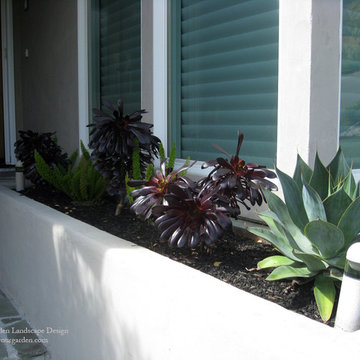
Entrance plantings include Agave 'Blue Flame', Aeonium Zwartkop (deep burgundy succulent) and Asparagus Fern. One year after planting.
© Eileen Kelly, Dig Your Garden Lanscape Design http://www.digyourgarden.com
5