
Search results for "Appraisers" in Home Design Ideas

 Anne Decker Architects, LLC
EDGEMOOR HOUSE
Located in the Edgemoor neighborhood in Bethesda, Maryland, this new home draws influence from the Bauhaus movement. Clean crisp spaces with oversized steel doors and windows pull the outside in to create spaces filled with light and warmth.
Photo Credit: Tom Arban Photography


 Miller-Roodell Architects Ltd
Set in Montana's tranquil Shields River Valley, the Shilo Ranch Compound is a collection of structures that were specifically built on a relatively smaller scale, to maximize efficiency. The main house has two bedrooms, a living area, dining and kitchen, bath and adjacent greenhouse, while two guest homes within the compound can sleep a total of 12 friends and family. There's also a common gathering hall, for dinners, games, and time together. The overall feel here is of sophisticated simplicity, with plaster walls, concrete and wood floors, and weathered boards for exteriors. The placement of each building was considered closely when envisioning how people would move through the property, based on anticipated needs and interests. Sustainability and consumption was also taken into consideration, as evidenced by the photovoltaic panels on roof of the garage, and the capability to shut down any of the compound's buildings when not in use.
Find the right local pro for your project

 The Boutique Real Estate Group
You've seen the world, tasted its finest flavors, beheld its proudest splendors. Wanderlust romanced and beauty stayed you. EXPERIENCE THE INTERACTIVE FILM.
An Iconic, World-Class Destination
Neighbor to the Ritz Carlton and newly built Montage, you're at home with a standard of living consistent with the world's finest resorts.
Whether in its days as a private retreat for A-list celebrities or as a home to its discerning designer, Hale Ali'i has always been a generous host. Within the Kapalua resort, your complimentary shuttle drives you and your guests to local restaurants, shops, beaches, and hiking trails. Five-star restaurants, shopping, and world-famous spas call this resort community home. One of America's best surf spots is minutes north while "America's best beach" (Conde Nast Traveler) is a short walk south. The quiet, white sand beach of Oneloa Bay is a single step from your backyard just past the plumeria tree.
Inspired Hawaiian Living
Tastefully decorated and furnished by world-renowned designer Mary Philpotts, this Hawaiian plantation revival residence accommodates a wide range of tastes – from traditional formal to contemporary casual. Home to a wide range of the world's most coveted woods, luxury finishes, and modern conveniences, the structure is built to exacting standards. From African Sapele Mahogany cabinetry to a myriad of floor-to-ceiling pocket sliding walls, no expense was spared in crafting the finest estate on Maui's coast.
Designed according to the timeless principles of feng shui, Hale Ali'i invites nature in, protects on all sides, and honors the elements. Appraised by feng shui expert Kanoe Merino and blessed by Hawaiian native and cultural advisor to the Ritz Carlton, Clifford Nae'ole, this iconic Maui estate brings life, energy, and peace to those who call it home.
For Life Abundant
In concert with whitewater ocean views, warm fragrant breezes, and the rolling of the Pacific, Hale Ali'i harmonizes luxurious features with a genuine spirit.
It's a comfortable place, yet never taken for granted. Each feature, flower, and fauna inspires a spirit of hospitality. Investments in modern conveniences, stately finishes, and ethereal design inspire the life within. An abundant life amongst the world's most magnificent landscape.
Designed according to the timeless principles of feng shui, Hale Ali'i invites nature in, protects on all sides, and honors the elements. E Komo Mai, traveler. It's been worth the wait.
 The Boutique Real Estate Group
You've seen the world, tasted its finest flavors, beheld its proudest splendors. Wanderlust romanced and beauty stayed you. EXPERIENCE THE INTERACTIVE FILM.
An Iconic, World-Class Destination
Neighbor to the Ritz Carlton and newly built Montage, you're at home with a standard of living consistent with the world's finest resorts.
Whether in its days as a private retreat for A-list celebrities or as a home to its discerning designer, Hale Ali'i has always been a generous host. Within the Kapalua resort, your complimentary shuttle drives you and your guests to local restaurants, shops, beaches, and hiking trails. Five-star restaurants, shopping, and world-famous spas call this resort community home. One of America's best surf spots is minutes north while "America's best beach" (Conde Nast Traveler) is a short walk south. The quiet, white sand beach of Oneloa Bay is a single step from your backyard just past the plumeria tree.
Inspired Hawaiian Living
Tastefully decorated and furnished by world-renowned designer Mary Philpotts, this Hawaiian plantation revival residence accommodates a wide range of tastes – from traditional formal to contemporary casual. Home to a wide range of the world's most coveted woods, luxury finishes, and modern conveniences, the structure is built to exacting standards. From African Sapele Mahogany cabinetry to a myriad of floor-to-ceiling pocket sliding walls, no expense was spared in crafting the finest estate on Maui's coast.
Designed according to the timeless principles of feng shui, Hale Ali'i invites nature in, protects on all sides, and honors the elements. Appraised by feng shui expert Kanoe Merino and blessed by Hawaiian native and cultural advisor to the Ritz Carlton, Clifford Nae'ole, this iconic Maui estate brings life, energy, and peace to those who call it home.
For Life Abundant
In concert with whitewater ocean views, warm fragrant breezes, and the rolling of the Pacific, Hale Ali'i harmonizes luxurious features with a genuine spirit.
It's a comfortable place, yet never taken for granted. Each feature, flower, and fauna inspires a spirit of hospitality. Investments in modern conveniences, stately finishes, and ethereal design inspire the life within. An abundant life amongst the world's most magnificent landscape.
Designed according to the timeless principles of feng shui, Hale Ali'i invites nature in, protects on all sides, and honors the elements. E Komo Mai, traveler. It's been worth the wait.

 Santa Barbara Home Design
Design Consultant Jeff Doubét is the author of Creating Spanish Style Homes: Before & After – Techniques – Designs – Insights. The 240 page “Design Consultation in a Book” is now available. Please visit SantaBarbaraHomeDesigner.com for more info.
Jeff Doubét specializes in Santa Barbara style home and landscape designs. To learn more info about the variety of custom design services I offer, please visit SantaBarbaraHomeDesigner.com
Jeff Doubét is the Founder of Santa Barbara Home Design - a design studio based in Santa Barbara, California USA.
 The Boutique Real Estate Group
You've seen the world, tasted its finest flavors, beheld its proudest splendors. Wanderlust romanced and beauty stayed you. EXPERIENCE THE INTERACTIVE FILM.
An Iconic, World-Class Destination
Neighbor to the Ritz Carlton and newly built Montage, you're at home with a standard of living consistent with the world's finest resorts.
Whether in its days as a private retreat for A-list celebrities or as a home to its discerning designer, Hale Ali'i has always been a generous host. Within the Kapalua resort, your complimentary shuttle drives you and your guests to local restaurants, shops, beaches, and hiking trails. Five-star restaurants, shopping, and world-famous spas call this resort community home. One of America's best surf spots is minutes north while "America's best beach" (Conde Nast Traveler) is a short walk south. The quiet, white sand beach of Oneloa Bay is a single step from your backyard just past the plumeria tree.
Inspired Hawaiian Living
Tastefully decorated and furnished by world-renowned designer Mary Philpotts, this Hawaiian plantation revival residence accommodates a wide range of tastes – from traditional formal to contemporary casual. Home to a wide range of the world's most coveted woods, luxury finishes, and modern conveniences, the structure is built to exacting standards. From African Sapele Mahogany cabinetry to a myriad of floor-to-ceiling pocket sliding walls, no expense was spared in crafting the finest estate on Maui's coast.
Designed according to the timeless principles of feng shui, Hale Ali'i invites nature in, protects on all sides, and honors the elements. Appraised by feng shui expert Kanoe Merino and blessed by Hawaiian native and cultural advisor to the Ritz Carlton, Clifford Nae'ole, this iconic Maui estate brings life, energy, and peace to those who call it home.
For Life Abundant
In concert with whitewater ocean views, warm fragrant breezes, and the rolling of the Pacific, Hale Ali'i harmonizes luxurious features with a genuine spirit.
It's a comfortable place, yet never taken for granted. Each feature, flower, and fauna inspires a spirit of hospitality. Investments in modern conveniences, stately finishes, and ethereal design inspire the life within. An abundant life amongst the world's most magnificent landscape.
Designed according to the timeless principles of feng shui, Hale Ali'i invites nature in, protects on all sides, and honors the elements. E Komo Mai, traveler. It's been worth the wait.

 Solomonic Couture for The Home
This amazing apartment was carefully designed, collected and put together by incredible women with impeccable taste and great imagination - Gail Maidman. All antique furniture was restored, carefully fixed and got new life with wonderful fabrics and our hardworking hands.

 Christopher D. Marshall Architect, LLC
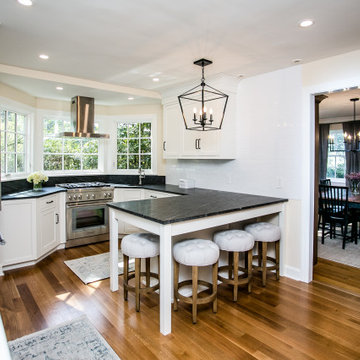
The project combined the Kitchen and Dining Rm into one space. The island is large enough to be a work space, breakfast area and bar area.
Photos: Chris Marshall
 Curbio Home Improvement
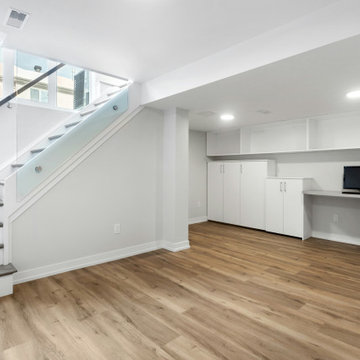
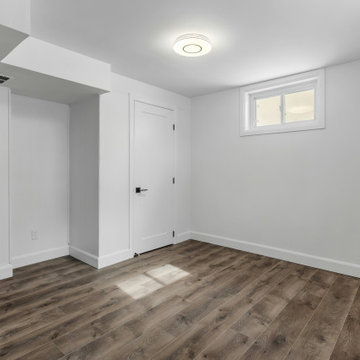
Unfinished basements and attics are fairly common. In fact, both spaces were originally intended to be left unfinished. As homeowner preferences change, and everyone seeks more space where they can find it, fully finished basements complete with bedrooms and attics finished off for office use are increasingly common.
Finishing your basement or attic can mean creating a flex space, an entertainment room, or even an in-law suite—but is it worth it to finish your basement right before you sell? In most cases, yes. Many basements and attics were originally left unfinished because, due to building codes, even if finished, the space would not count toward “livable” space, and therefore a listing’s square footage. That said, a finished basement or attic will certainly affect both your home’s appraisal and fair market values.
Basements and attics are often used to host guest bedrooms, office spaces, children’s playrooms, and/or entertainment rooms. As much of the country embraces more flexible work setups, including a lot of opportunities to work from home, finished basements and attics have risen in appeal.
The best way to find out exactly how much finishing your basement or attic will add to your re-sale value is to discuss the project with a licensed real estate agent who can show you the sale prices of comparable homes in your market both with and without finished basements and attics. When it comes to completing the work, your agent can work with Curbio to get the job done quickly so you can get on the market and sell quickly while maximizing your profits from the sale.
 Curbio Home Improvement
Unfinished basements and attics are fairly common. In fact, both spaces were originally intended to be left unfinished. As homeowner preferences change, and everyone seeks more space where they can find it, fully finished basements complete with bedrooms and attics finished off for office use are increasingly common.
Finishing your basement or attic can mean creating a flex space, an entertainment room, or even an in-law suite—but is it worth it to finish your basement right before you sell? In most cases, yes. Many basements and attics were originally left unfinished because, due to building codes, even if finished, the space would not count toward “livable” space, and therefore a listing’s square footage. That said, a finished basement or attic will certainly affect both your home’s appraisal and fair market values.
Basements and attics are often used to host guest bedrooms, office spaces, children’s playrooms, and/or entertainment rooms. As much of the country embraces more flexible work setups, including a lot of opportunities to work from home, finished basements and attics have risen in appeal.
The best way to find out exactly how much finishing your basement or attic will add to your re-sale value is to discuss the project with a licensed real estate agent who can show you the sale prices of comparable homes in your market both with and without finished basements and attics. When it comes to completing the work, your agent can work with Curbio to get the job done quickly so you can get on the market and sell quickly while maximizing your profits from the sale.

 The Boutique Real Estate Group
You've seen the world, tasted its finest flavors, beheld its proudest splendors. Wanderlust romanced and beauty stayed you. EXPERIENCE THE INTERACTIVE FILM.
An Iconic, World-Class Destination
Neighbor to the Ritz Carlton and newly built Montage, you're at home with a standard of living consistent with the world's finest resorts.
Whether in its days as a private retreat for A-list celebrities or as a home to its discerning designer, Hale Ali'i has always been a generous host. Within the Kapalua resort, your complimentary shuttle drives you and your guests to local restaurants, shops, beaches, and hiking trails. Five-star restaurants, shopping, and world-famous spas call this resort community home. One of America's best surf spots is minutes north while "America's best beach" (Conde Nast Traveler) is a short walk south. The quiet, white sand beach of Oneloa Bay is a single step from your backyard just past the plumeria tree.
Inspired Hawaiian Living
Tastefully decorated and furnished by world-renowned designer Mary Philpotts, this Hawaiian plantation revival residence accommodates a wide range of tastes – from traditional formal to contemporary casual. Home to a wide range of the world's most coveted woods, luxury finishes, and modern conveniences, the structure is built to exacting standards. From African Sapele Mahogany cabinetry to a myriad of floor-to-ceiling pocket sliding walls, no expense was spared in crafting the finest estate on Maui's coast.
Designed according to the timeless principles of feng shui, Hale Ali'i invites nature in, protects on all sides, and honors the elements. Appraised by feng shui expert Kanoe Merino and blessed by Hawaiian native and cultural advisor to the Ritz Carlton, Clifford Nae'ole, this iconic Maui estate brings life, energy, and peace to those who call it home.
For Life Abundant
In concert with whitewater ocean views, warm fragrant breezes, and the rolling of the Pacific, Hale Ali'i harmonizes luxurious features with a genuine spirit.
It's a comfortable place, yet never taken for granted. Each feature, flower, and fauna inspires a spirit of hospitality. Investments in modern conveniences, stately finishes, and ethereal design inspire the life within. An abundant life amongst the world's most magnificent landscape.
Designed according to the timeless principles of feng shui, Hale Ali'i invites nature in, protects on all sides, and honors the elements. E Komo Mai, traveler. It's been worth the wait.
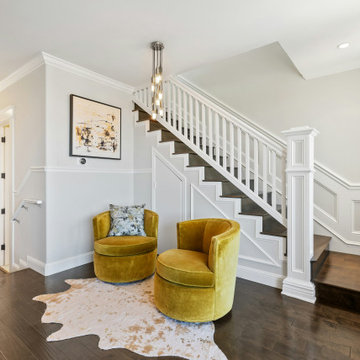 Curbio Home Improvement
Unfinished basements and attics are fairly common. In fact, both spaces were originally intended to be left unfinished. As homeowner preferences change, and everyone seeks more space where they can find it, fully finished basements complete with bedrooms and attics finished off for office use are increasingly common.
Finishing your basement or attic can mean creating a flex space, an entertainment room, or even an in-law suite—but is it worth it to finish your basement right before you sell? In most cases, yes. Many basements and attics were originally left unfinished because, due to building codes, even if finished, the space would not count toward “livable” space, and therefore a listing’s square footage. That said, a finished basement or attic will certainly affect both your home’s appraisal and fair market values.
Basements and attics are often used to host guest bedrooms, office spaces, children’s playrooms, and/or entertainment rooms. As much of the country embraces more flexible work setups, including a lot of opportunities to work from home, finished basements and attics have risen in appeal.
The best way to find out exactly how much finishing your basement or attic will add to your re-sale value is to discuss the project with a licensed real estate agent who can show you the sale prices of comparable homes in your market both with and without finished basements and attics. When it comes to completing the work, your agent can work with Curbio to get the job done quickly so you can get on the market and sell quickly while maximizing your profits from the sale.
 The Boutique Real Estate Group
You've seen the world, tasted its finest flavors, beheld its proudest splendors. Wanderlust romanced and beauty stayed you. EXPERIENCE THE INTERACTIVE FILM.
An Iconic, World-Class Destination
Neighbor to the Ritz Carlton and newly built Montage, you're at home with a standard of living consistent with the world's finest resorts.
Whether in its days as a private retreat for A-list celebrities or as a home to its discerning designer, Hale Ali'i has always been a generous host. Within the Kapalua resort, your complimentary shuttle drives you and your guests to local restaurants, shops, beaches, and hiking trails. Five-star restaurants, shopping, and world-famous spas call this resort community home. One of America's best surf spots is minutes north while "America's best beach" (Conde Nast Traveler) is a short walk south. The quiet, white sand beach of Oneloa Bay is a single step from your backyard just past the plumeria tree.
Inspired Hawaiian Living
Tastefully decorated and furnished by world-renowned designer Mary Philpotts, this Hawaiian plantation revival residence accommodates a wide range of tastes – from traditional formal to contemporary casual. Home to a wide range of the world's most coveted woods, luxury finishes, and modern conveniences, the structure is built to exacting standards. From African Sapele Mahogany cabinetry to a myriad of floor-to-ceiling pocket sliding walls, no expense was spared in crafting the finest estate on Maui's coast.
Designed according to the timeless principles of feng shui, Hale Ali'i invites nature in, protects on all sides, and honors the elements. Appraised by feng shui expert Kanoe Merino and blessed by Hawaiian native and cultural advisor to the Ritz Carlton, Clifford Nae'ole, this iconic Maui estate brings life, energy, and peace to those who call it home.
For Life Abundant
In concert with whitewater ocean views, warm fragrant breezes, and the rolling of the Pacific, Hale Ali'i harmonizes luxurious features with a genuine spirit.
It's a comfortable place, yet never taken for granted. Each feature, flower, and fauna inspires a spirit of hospitality. Investments in modern conveniences, stately finishes, and ethereal design inspire the life within. An abundant life amongst the world's most magnificent landscape.
Designed according to the timeless principles of feng shui, Hale Ali'i invites nature in, protects on all sides, and honors the elements. E Komo Mai, traveler. It's been worth the wait.
 The Boutique Real Estate Group
You've seen the world, tasted its finest flavors, beheld its proudest splendors. Wanderlust romanced and beauty stayed you. EXPERIENCE THE INTERACTIVE FILM.
An Iconic, World-Class Destination
Neighbor to the Ritz Carlton and newly built Montage, you're at home with a standard of living consistent with the world's finest resorts.
Whether in its days as a private retreat for A-list celebrities or as a home to its discerning designer, Hale Ali'i has always been a generous host. Within the Kapalua resort, your complimentary shuttle drives you and your guests to local restaurants, shops, beaches, and hiking trails. Five-star restaurants, shopping, and world-famous spas call this resort community home. One of America's best surf spots is minutes north while "America's best beach" (Conde Nast Traveler) is a short walk south. The quiet, white sand beach of Oneloa Bay is a single step from your backyard just past the plumeria tree.
Inspired Hawaiian Living
Tastefully decorated and furnished by world-renowned designer Mary Philpotts, this Hawaiian plantation revival residence accommodates a wide range of tastes – from traditional formal to contemporary casual. Home to a wide range of the world's most coveted woods, luxury finishes, and modern conveniences, the structure is built to exacting standards. From African Sapele Mahogany cabinetry to a myriad of floor-to-ceiling pocket sliding walls, no expense was spared in crafting the finest estate on Maui's coast.
Designed according to the timeless principles of feng shui, Hale Ali'i invites nature in, protects on all sides, and honors the elements. Appraised by feng shui expert Kanoe Merino and blessed by Hawaiian native and cultural advisor to the Ritz Carlton, Clifford Nae'ole, this iconic Maui estate brings life, energy, and peace to those who call it home.
For Life Abundant
In concert with whitewater ocean views, warm fragrant breezes, and the rolling of the Pacific, Hale Ali'i harmonizes luxurious features with a genuine spirit.
It's a comfortable place, yet never taken for granted. Each feature, flower, and fauna inspires a spirit of hospitality. Investments in modern conveniences, stately finishes, and ethereal design inspire the life within. An abundant life amongst the world's most magnificent landscape.
Designed according to the timeless principles of feng shui, Hale Ali'i invites nature in, protects on all sides, and honors the elements. E Komo Mai, traveler. It's been worth the wait.
 The Boutique Real Estate Group
You've seen the world, tasted its finest flavors, beheld its proudest splendors. Wanderlust romanced and beauty stayed you. EXPERIENCE THE INTERACTIVE FILM.
An Iconic, World-Class Destination
Neighbor to the Ritz Carlton and newly built Montage, you're at home with a standard of living consistent with the world's finest resorts.
Whether in its days as a private retreat for A-list celebrities or as a home to its discerning designer, Hale Ali'i has always been a generous host. Within the Kapalua resort, your complimentary shuttle drives you and your guests to local restaurants, shops, beaches, and hiking trails. Five-star restaurants, shopping, and world-famous spas call this resort community home. One of America's best surf spots is minutes north while "America's best beach" (Conde Nast Traveler) is a short walk south. The quiet, white sand beach of Oneloa Bay is a single step from your backyard just past the plumeria tree.
Inspired Hawaiian Living
Tastefully decorated and furnished by world-renowned designer Mary Philpotts, this Hawaiian plantation revival residence accommodates a wide range of tastes – from traditional formal to contemporary casual. Home to a wide range of the world's most coveted woods, luxury finishes, and modern conveniences, the structure is built to exacting standards. From African Sapele Mahogany cabinetry to a myriad of floor-to-ceiling pocket sliding walls, no expense was spared in crafting the finest estate on Maui's coast.
Designed according to the timeless principles of feng shui, Hale Ali'i invites nature in, protects on all sides, and honors the elements. Appraised by feng shui expert Kanoe Merino and blessed by Hawaiian native and cultural advisor to the Ritz Carlton, Clifford Nae'ole, this iconic Maui estate brings life, energy, and peace to those who call it home.
For Life Abundant
In concert with whitewater ocean views, warm fragrant breezes, and the rolling of the Pacific, Hale Ali'i harmonizes luxurious features with a genuine spirit.
It's a comfortable place, yet never taken for granted. Each feature, flower, and fauna inspires a spirit of hospitality. Investments in modern conveniences, stately finishes, and ethereal design inspire the life within. An abundant life amongst the world's most magnificent landscape.
Designed according to the timeless principles of feng shui, Hale Ali'i invites nature in, protects on all sides, and honors the elements. E Komo Mai, traveler. It's been worth the wait.
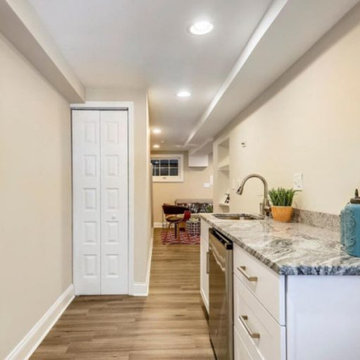 Curbio Home Improvement
Unfinished basements and attics are fairly common. In fact, both spaces were originally intended to be left unfinished. As homeowner preferences change, and everyone seeks more space where they can find it, fully finished basements complete with bedrooms and attics finished off for office use are increasingly common.
Finishing your basement or attic can mean creating a flex space, an entertainment room, or even an in-law suite—but is it worth it to finish your basement right before you sell? In most cases, yes. Many basements and attics were originally left unfinished because, due to building codes, even if finished, the space would not count toward “livable” space, and therefore a listing’s square footage. That said, a finished basement or attic will certainly affect both your home’s appraisal and fair market values.
Basements and attics are often used to host guest bedrooms, office spaces, children’s playrooms, and/or entertainment rooms. As much of the country embraces more flexible work setups, including a lot of opportunities to work from home, finished basements and attics have risen in appeal.
The best way to find out exactly how much finishing your basement or attic will add to your re-sale value is to discuss the project with a licensed real estate agent who can show you the sale prices of comparable homes in your market both with and without finished basements and attics. When it comes to completing the work, your agent can work with Curbio to get the job done quickly so you can get on the market and sell quickly while maximizing your profits from the sale.
 The Boutique Real Estate Group
You've seen the world, tasted its finest flavors, beheld its proudest splendors. Wanderlust romanced and beauty stayed you. EXPERIENCE THE INTERACTIVE FILM.
An Iconic, World-Class Destination
Neighbor to the Ritz Carlton and newly built Montage, you're at home with a standard of living consistent with the world's finest resorts.
Whether in its days as a private retreat for A-list celebrities or as a home to its discerning designer, Hale Ali'i has always been a generous host. Within the Kapalua resort, your complimentary shuttle drives you and your guests to local restaurants, shops, beaches, and hiking trails. Five-star restaurants, shopping, and world-famous spas call this resort community home. One of America's best surf spots is minutes north while "America's best beach" (Conde Nast Traveler) is a short walk south. The quiet, white sand beach of Oneloa Bay is a single step from your backyard just past the plumeria tree.
Inspired Hawaiian Living
Tastefully decorated and furnished by world-renowned designer Mary Philpotts, this Hawaiian plantation revival residence accommodates a wide range of tastes – from traditional formal to contemporary casual. Home to a wide range of the world's most coveted woods, luxury finishes, and modern conveniences, the structure is built to exacting standards. From African Sapele Mahogany cabinetry to a myriad of floor-to-ceiling pocket sliding walls, no expense was spared in crafting the finest estate on Maui's coast.
Designed according to the timeless principles of feng shui, Hale Ali'i invites nature in, protects on all sides, and honors the elements. Appraised by feng shui expert Kanoe Merino and blessed by Hawaiian native and cultural advisor to the Ritz Carlton, Clifford Nae'ole, this iconic Maui estate brings life, energy, and peace to those who call it home.
For Life Abundant
In concert with whitewater ocean views, warm fragrant breezes, and the rolling of the Pacific, Hale Ali'i harmonizes luxurious features with a genuine spirit.
It's a comfortable place, yet never taken for granted. Each feature, flower, and fauna inspires a spirit of hospitality. Investments in modern conveniences, stately finishes, and ethereal design inspire the life within. An abundant life amongst the world's most magnificent landscape.
Designed according to the timeless principles of feng shui, Hale Ali'i invites nature in, protects on all sides, and honors the elements. E Komo Mai, traveler. It's been worth the wait.
 The Boutique Real Estate Group
You've seen the world, tasted its finest flavors, beheld its proudest splendors. Wanderlust romanced and beauty stayed you. EXPERIENCE THE INTERACTIVE FILM.
An Iconic, World-Class Destination
Neighbor to the Ritz Carlton and newly built Montage, you're at home with a standard of living consistent with the world's finest resorts.
Whether in its days as a private retreat for A-list celebrities or as a home to its discerning designer, Hale Ali'i has always been a generous host. Within the Kapalua resort, your complimentary shuttle drives you and your guests to local restaurants, shops, beaches, and hiking trails. Five-star restaurants, shopping, and world-famous spas call this resort community home. One of America's best surf spots is minutes north while "America's best beach" (Conde Nast Traveler) is a short walk south. The quiet, white sand beach of Oneloa Bay is a single step from your backyard just past the plumeria tree.
Inspired Hawaiian Living
Tastefully decorated and furnished by world-renowned designer Mary Philpotts, this Hawaiian plantation revival residence accommodates a wide range of tastes – from traditional formal to contemporary casual. Home to a wide range of the world's most coveted woods, luxury finishes, and modern conveniences, the structure is built to exacting standards. From African Sapele Mahogany cabinetry to a myriad of floor-to-ceiling pocket sliding walls, no expense was spared in crafting the finest estate on Maui's coast.
Designed according to the timeless principles of feng shui, Hale Ali'i invites nature in, protects on all sides, and honors the elements. Appraised by feng shui expert Kanoe Merino and blessed by Hawaiian native and cultural advisor to the Ritz Carlton, Clifford Nae'ole, this iconic Maui estate brings life, energy, and peace to those who call it home.
For Life Abundant
In concert with whitewater ocean views, warm fragrant breezes, and the rolling of the Pacific, Hale Ali'i harmonizes luxurious features with a genuine spirit.
It's a comfortable place, yet never taken for granted. Each feature, flower, and fauna inspires a spirit of hospitality. Investments in modern conveniences, stately finishes, and ethereal design inspire the life within. An abundant life amongst the world's most magnificent landscape.
Designed according to the timeless principles of feng shui, Hale Ali'i invites nature in, protects on all sides, and honors the elements. E Komo Mai, traveler. It's been worth the wait.
6