
Search results for "Character named" in Home Design Ideas

 Kaleidoscope Design Studio
Simple doesn’t have to be boring, especially when your backyard is a lush ravine. This was the name of the game when it came to this traditional cottage-style house, with a contemporary flare. Emphasizing the great bones of the house with a simple pallet and contrasting trim helps to accentuate the high ceilings and classic mouldings, While adding saturated colours, and bold graphic wall murals brings lots of character to the house. This growing family now has the perfectly layered home, with plenty of their personality shining through.
 Kaleidoscope Design Studio
Simple doesn’t have to be boring, especially when your backyard is a lush ravine. This was the name of the game when it came to this traditional cottage-style house, with a contemporary flare. Emphasizing the great bones of the house with a simple pallet and contrasting trim helps to accentuate the high ceilings and classic mouldings, While adding saturated colours, and bold graphic wall murals brings lots of character to the house. This growing family now has the perfectly layered home, with plenty of their personality shining through.

 Coastal Home Design Studio
Re-design of kitchen = new appliances, fixtures and finishes, new tile.
Kitchen - small transitional u-shaped dark wood floor kitchen idea in San Diego with a single-bowl sink, recessed-panel cabinets, white cabinets, white backsplash, glass tile backsplash, stainless steel appliances and no island
Kitchen - small transitional u-shaped dark wood floor kitchen idea in San Diego with a single-bowl sink, recessed-panel cabinets, white cabinets, white backsplash, glass tile backsplash, stainless steel appliances and no island
Find the right local pro for your project

 Hooker Furniture
Like the Mediterranean island for which it is named, Corsica is a melting pot of timeless design influences with a sun washed ambience and casual attitude. Gracefully shaped architectural forms of Italian, French and Belgian origin are accentuated by a wire brushed artisan finish with a reclaimed character.

 Studio41 Home Design Showroom
The name AMMA comes from the Chinese characters AN and MO, which refer to the notion of massage, of soothing through touch. This series was designed with that very notion in mind. Its soft and relaxing design lines, the position of its air jets and the different accessories available are meant to provide you with the ultimate in relaxation through hydro-thermo massage.

 Marnie Custom Homes
Bedroom - large coastal master carpeted and beige floor bedroom idea with beige walls
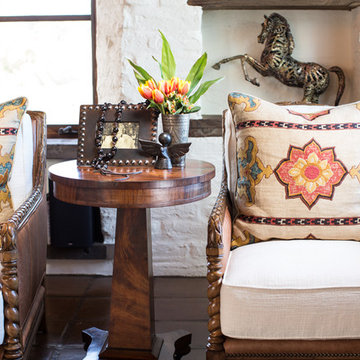
Example of a large southwest formal and open concept terra-cotta tile home design design in Albuquerque with white walls and a concealed tv
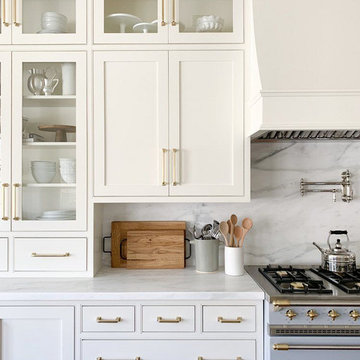


 Kerstin Dieterich Designs, LLC
Photo credit- Alicia Garcia
Staging- one two six design
Family room - mid-sized transitional enclosed light wood floor and brown floor family room idea in San Francisco with a bar, white walls and a wall-mounted tv
Family room - mid-sized transitional enclosed light wood floor and brown floor family room idea in San Francisco with a bar, white walls and a wall-mounted tv

 3 Lights Design
The wife, who is a chef and meticulously organized, had this to say about 3 Lights Design's attention to detail, "I'm so impressed how you heard all the little silly things I was saying and got it into a picture!!!" For us, the "silly little things" are everything. That's how the project's name was born. All photos by Thomas Kuoh Photography.

 Business_Name_Placeholder
word count character count: in this article im going to talk you what is word counter and character counter. every paragraph have a word. so if you want to know how many word in your article. so how you can know you much need to counting right. if you count word that mean you lose your time. because now is 2024. 2024 best online word counter tools available. so you can use online free word counter tool. and just few second you know the correct result. you can find how many word, cracter, paragraph in your articles.
 Studio41 Home Design Showroom
A REFUGE FOR THE SOUL. | Elemental Spa makes water the focus of attention. The different fittings have the look of springs. They mark the water points in the room and are the origin of the architecture that surrounds them. Elemental Spa creates a place for the personal and shared rituals of physical and spiritual cleansing. A refuge for the soul. Each of the six products in Elemental Spa has an individual name. The greatest care was taken to ensure that the sound and appeal of the names reflect both the archaic and ritual character of Elemental Spa. The ITA and IAM fittings are for the washbasin. KATA and NOTA are bath fittings for wall or free-standing installation. For the shower, there is SATI for ceiling installation and SANGHA for wall installation. | Available at www.shopstudio41.com

 Warner Audio & Video
A high performance sanctuary with all the creature comforts. The porthole doors give the room a nautical feel.
Inspiration for a mid-sized timeless enclosed carpeted home theater remodel with brown walls, no fireplace and a projector screen
Inspiration for a mid-sized timeless enclosed carpeted home theater remodel with brown walls, no fireplace and a projector screen
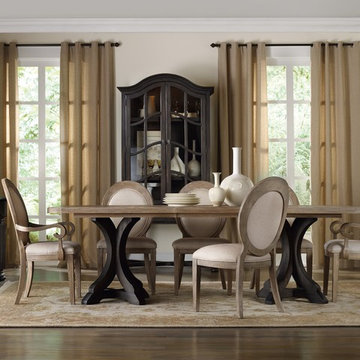 Hooker Furniture
Like the Mediterranean island for which it is named, Corsica is a melting pot of timeless design influences with a sun washed ambience and casual attitude. Gracefully shaped architectural forms of Italian, French and Belgian origin are accentuated by a wire brushed artisan finish with a reclaimed character.
Sponsored
Sunbury, OH

J.Holderby - Renovations
Franklin County's Leading General Contractors - 2X Best of Houzz!
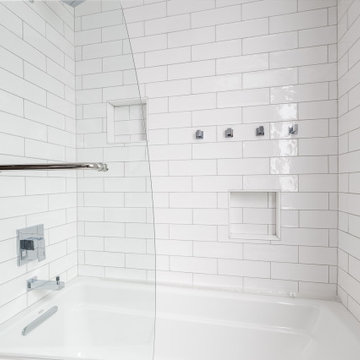
 U Name It Construction
This bathroom was part of a larger home remodel and has high design features including gorgeous tile work, dark wood accents, custom traditional woodwork and modern touches including a blue shaker vanity, a large soaker tub and high quality Hans Grohe chrome fixtures. We've managed to create a bright, light and clean space with ton's of character!
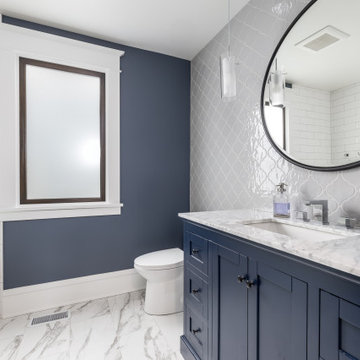 U Name It Construction
This bathroom was part of a larger home remodel and has high design features including gorgeous tile work, dark wood accents, custom traditional woodwork and modern touches including a blue shaker vanity, a large soaker tub and high quality Hans Grohe chrome fixtures. We've managed to create a bright, light and clean space with ton's of character!
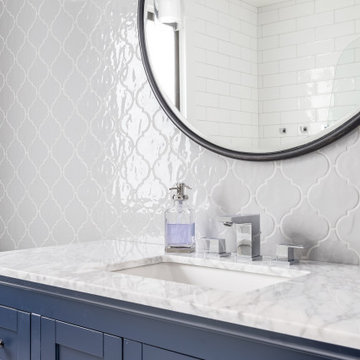 U Name It Construction
This bathroom was part of a larger home remodel and has high design features including gorgeous tile work, dark wood accents, custom traditional woodwork and modern touches including a blue shaker vanity, a large soaker tub and high quality Hans Grohe chrome fixtures. We've managed to create a bright, light and clean space with ton's of character!
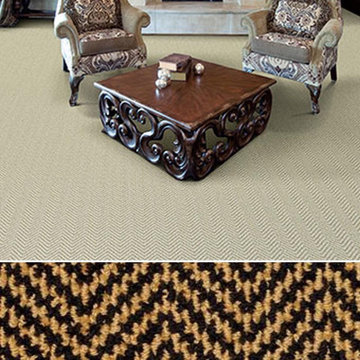
 Georgia Carpet Industries
Similar to the castle for which they are named, Masland Windsor Castle creates a grandeur that will easily blend with your home. The bicolor combination and subtle chevron pattern creates a product that has its own character. For more information come see us at 3352 S Dug Gap Rd Dalton, Ga 30720, call us at 1-800-535-8789 or visit our website at https://www.georgiacarpet.com/products/masland-windsor-castle-9267-wool-residential-carpet.html
Sponsored
Sunbury, OH
J.Holderby - Renovations
Franklin County's Leading General Contractors - 2X Best of Houzz!

 Nick Noyes Architecture
Drew Kelly
Living room - transitional open concept dark wood floor living room idea in San Francisco with white walls, a standard fireplace, a metal fireplace and no tv
Living room - transitional open concept dark wood floor living room idea in San Francisco with white walls, a standard fireplace, a metal fireplace and no tv

 Unique Homes Iowa
Inspiration for a mid-sized transitional carpeted l-shaped wood railing staircase remodel with wooden risers
 Living with Lolo
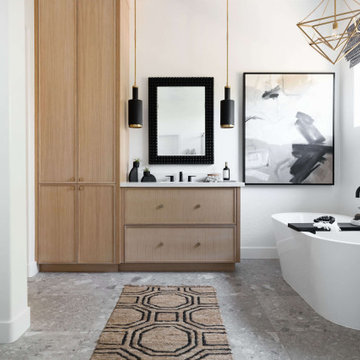
Bathroom in Ironwood Drive | Warm Modern Home in Scottsdale, AZ |
Room Type: Whole Home Remodel and Furnishings |
Project Name: Ironwood Drive Residence |
Key Feature: A Tuscan home transformed into a warm modern interior through a full remodel and furnishings, highlighted by a custom hand-painted terracotta tile backsplash, custom cabinetry, and a new fireplace clad in basalt black stone that anchors the living space with drama and elegance.
Challenge: Tuscan homes in Scottsdale are everywhere, and the design language that defined them, heavy wood, ornate details, dark iron, and rustic stone, does not transition gracefully on its own. The goal was to shed that Old World weight and move the home into something warmer and more current without losing the character that makes a remodeled home feel intentional rather than generic.
Solution: Living with Lolo led the full remodel and furnishings as a single integrated project, which meant every decision from the custom cabinetry to the final throw pillow was made in service of the same design vision. The hand-painted terracotta tile backsplash brought artisan character into the kitchen in a way that felt fresh rather than Tuscan, and the basalt black stone fireplace gave the living space a bold focal point that reads as distinctly modern. Because Lauren holds both an interior design credential and an active Arizona ROC general contractor license, the construction and design were managed under one roof with no gap between the two.
Materials: Custom hand-painted terracotta tile backsplash, custom cabinetry, basalt black stone fireplace, curated warm modern furnishings and textiles sourced through Living with Lolo's trade relationships.
Budget: $250,000 to $550,000 |
Timeline: Approximately 5 to 9 months from design through completion.
7