
Search results for "Chewing" in Home Design Ideas
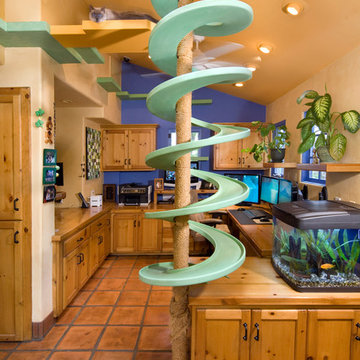
 Trillium Enterprises, INC.
HouzzTV: See the cats in action: https://www.youtube.com/watch?v=okOVxfuSYPk
Plants, animals, playful colors, and every electronic gadget you can think of has been incorporated into every aspect of this home. From the underwater camera in the Koi pond, to the built in cat walks and fully integrated appliances this home meets every imagination. © Holly Lepere
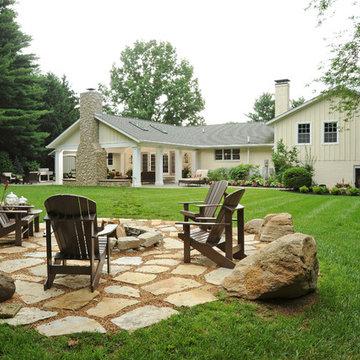
 Ketron Custom Builders
Design ideas for a large traditional full sun backyard stone landscaping in Columbus with a fire pit.
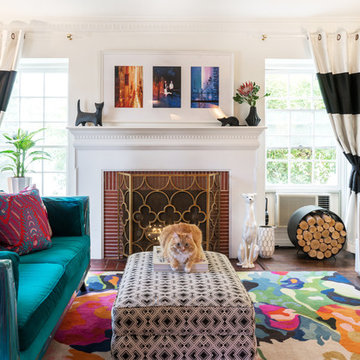
 Carrie Hayward Design
I’m slightly embarrassed about not having a glamorous coffee table here. But the sole purpose of this room is putting up our feet and watching movies, so we had to go for comfort. Nacho doesn’t care either way!
Photo © Bethany Nauert
Find the right local pro for your project

 FINNE Architects
Benjamin Benschneider
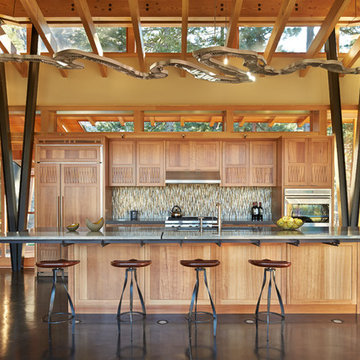
Inspiration for a large contemporary galley concrete floor open concept kitchen remodel in Seattle with an undermount sink, medium tone wood cabinets, glass countertops, glass tile backsplash, paneled appliances and an island
Inspiration for a large contemporary galley concrete floor open concept kitchen remodel in Seattle with an undermount sink, medium tone wood cabinets, glass countertops, glass tile backsplash, paneled appliances and an island
 Rollin Landscape Design
Cathy Stancil Photography
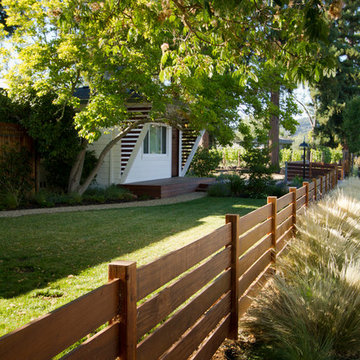
Design ideas for a transitional landscaping in San Francisco.
Design ideas for a transitional landscaping in San Francisco.
 Bee Designs
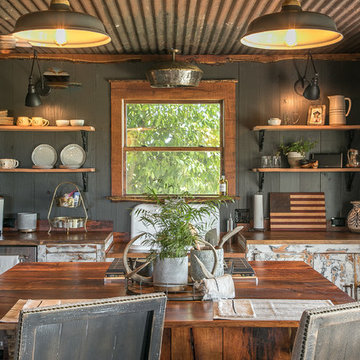
Inspiration for a rustic galley kitchen remodel in Austin with a drop-in sink, distressed cabinets, wood countertops, stainless steel appliances, an island and brown countertops
 Toulmin Kitchen & Bath
Photography: Lance Holloway
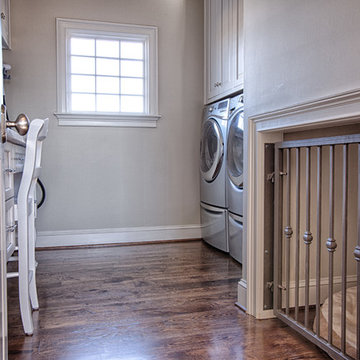
Mid-sized minimalist galley medium tone wood floor dedicated laundry room photo in Birmingham with white cabinets, marble countertops and a side-by-side washer/dryer
Mid-sized minimalist galley medium tone wood floor dedicated laundry room photo in Birmingham with white cabinets, marble countertops and a side-by-side washer/dryer
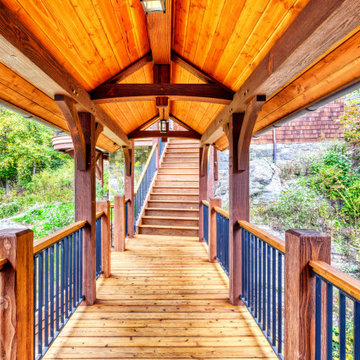
 HUDSON DESIGN Architecture & Construction Mgmt
Example of a mountain style mixed material railing deck design in New York

 Integrity Tree Care & Grounds Maintenance
Facts About ButterfliesDifferent Types Of Butterflies And Butterfly Facts
Natural butterfly habitats have been destroyed or affected by construction of housing and shopping developments, as well as by the use of pesticides and other chemicals. You can provide a suitable butterfly habitat that will help fortify the butterfly population, and as an added bonus, the habitat will bring you enjoyment in watching beautiful butterflies in your yard.
The butterfly habitat should be relatively sunny (5-6 hours per day) and out of the wind. Butterflies can get their required nutrients and minerals from a mud puddle in a sunny area. A successful butterfly habitat will contain the plants favored by both caterpillars and butterflies. This means that you should include plants like Queen Anne’s Lace, violets, marigolds, and maybe even milkweed for the caterpillars to eat, since they are able to chew their food. In particular, monarch caterpillars eat milkweed because it makes them an unpleasant-tasting meal to predators. For the butterflies, which are able to suck and are unable to chew, you should include nectar plants with different colors of flowers, such as zinnias, lilacs, and the butterfly bush.
Butterfly habitats should last all summer, meaning that you should select plants that bloom at different times so that something is always blooming. You might be able to take inspiration in your planting selections from a butterfly garden or inside a butterfly house if you are lucky to live close enough to one of these carefully planned attractions. Often, landscapers and nursery employees will be able to advise you as to what possible additions to your butterfly habitat will grow well in your area.
Copyright © Facts About Butterflies | All Rights Reserved.
Content provided and copywritten by http://factsaboutbutterflies.net
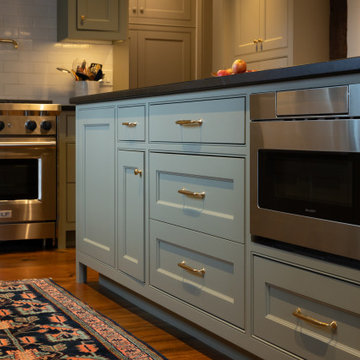
 Housewright Construction Inc.
Custom Kitchen Designed by Susan Chew of Chew@Co Design.
Inspiration for a l-shaped medium tone wood floor, brown floor and exposed beam kitchen remodel in Burlington with a farmhouse sink, shaker cabinets, green cabinets, soapstone countertops, white backsplash, subway tile backsplash, stainless steel appliances and black countertops
Inspiration for a l-shaped medium tone wood floor, brown floor and exposed beam kitchen remodel in Burlington with a farmhouse sink, shaker cabinets, green cabinets, soapstone countertops, white backsplash, subway tile backsplash, stainless steel appliances and black countertops
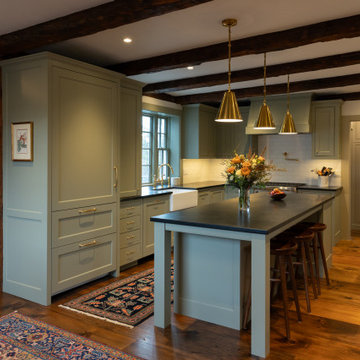 Housewright Construction Inc.
Custom Kitchen Designed by Susan Chew of Chew@Co
Inspiration for a l-shaped medium tone wood floor, brown floor and exposed beam kitchen remodel in Burlington with a farmhouse sink, shaker cabinets, green cabinets, soapstone countertops, white backsplash, subway tile backsplash, stainless steel appliances and black countertops
Inspiration for a l-shaped medium tone wood floor, brown floor and exposed beam kitchen remodel in Burlington with a farmhouse sink, shaker cabinets, green cabinets, soapstone countertops, white backsplash, subway tile backsplash, stainless steel appliances and black countertops
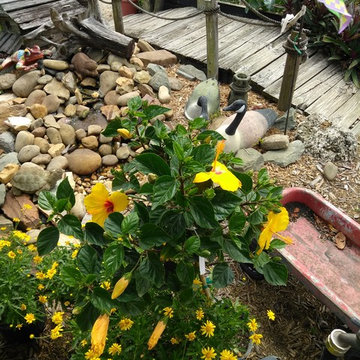 Integrity Tree Care & Grounds Maintenance
Facts About ButterfliesDifferent Types Of Butterflies And Butterfly Facts
Natural butterfly habitats have been destroyed or affected by construction of housing and shopping developments, as well as by the use of pesticides and other chemicals. You can provide a suitable butterfly habitat that will help fortify the butterfly population, and as an added bonus, the habitat will bring you enjoyment in watching beautiful butterflies in your yard.
The butterfly habitat should be relatively sunny (5-6 hours per day) and out of the wind. Butterflies can get their required nutrients and minerals from a mud puddle in a sunny area. A successful butterfly habitat will contain the plants favored by both caterpillars and butterflies. This means that you should include plants like Queen Anne’s Lace, violets, marigolds, and maybe even milkweed for the caterpillars to eat, since they are able to chew their food. In particular, monarch caterpillars eat milkweed because it makes them an unpleasant-tasting meal to predators. For the butterflies, which are able to suck and are unable to chew, you should include nectar plants with different colors of flowers, such as zinnias, lilacs, and the butterfly bush.
Butterfly habitats should last all summer, meaning that you should select plants that bloom at different times so that something is always blooming. You might be able to take inspiration in your planting selections from a butterfly garden or inside a butterfly house if you are lucky to live close enough to one of these carefully planned attractions. Often, landscapers and nursery employees will be able to advise you as to what possible additions to your butterfly habitat will grow well in your area.
Copyright © Facts About Butterflies | All Rights Reserved.
Content provided and copywritten by http://factsaboutbutterflies.net

Skunkbush Sumac / Rhus trilobata
Photo: Matt Lavin, via Flickr, licensed under Creative Commons Attribution-ShareAlike 2.0 Generic
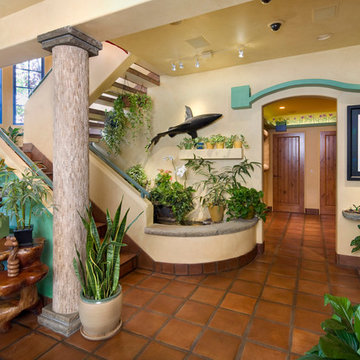 Trillium Enterprises, INC.
View of main entrance hallway and staircase, featuring hand-built custom cat walkway and indoor koi pond. © Holly Lepere
Example of an eclectic terra-cotta tile single front door design in Santa Barbara with beige walls and a medium wood front door
Example of an eclectic terra-cotta tile single front door design in Santa Barbara with beige walls and a medium wood front door
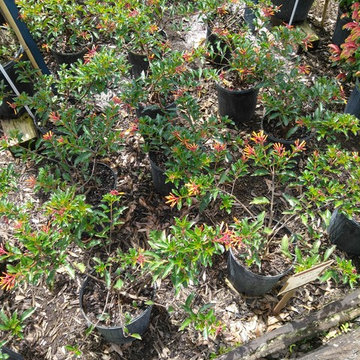 Integrity Tree Care & Grounds Maintenance
Facts About ButterfliesDifferent Types Of Butterflies And Butterfly Facts
Natural butterfly habitats have been destroyed or affected by construction of housing and shopping developments, as well as by the use of pesticides and other chemicals. You can provide a suitable butterfly habitat that will help fortify the butterfly population, and as an added bonus, the habitat will bring you enjoyment in watching beautiful butterflies in your yard.
The butterfly habitat should be relatively sunny (5-6 hours per day) and out of the wind. Butterflies can get their required nutrients and minerals from a mud puddle in a sunny area. A successful butterfly habitat will contain the plants favored by both caterpillars and butterflies. This means that you should include plants like Queen Anne’s Lace, violets, marigolds, and maybe even milkweed for the caterpillars to eat, since they are able to chew their food. In particular, monarch caterpillars eat milkweed because it makes them an unpleasant-tasting meal to predators. For the butterflies, which are able to suck and are unable to chew, you should include nectar plants with different colors of flowers, such as zinnias, lilacs, and the butterfly bush.
Butterfly habitats should last all summer, meaning that you should select plants that bloom at different times so that something is always blooming. You might be able to take inspiration in your planting selections from a butterfly garden or inside a butterfly house if you are lucky to live close enough to one of these carefully planned attractions. Often, landscapers and nursery employees will be able to advise you as to what possible additions to your butterfly habitat will grow well in your area.
Copyright © Facts About Butterflies | All Rights Reserved.
Content provided and copywritten by http://factsaboutbutterflies.net
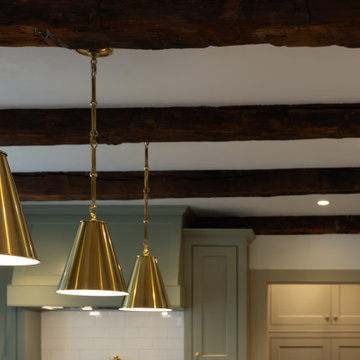 Housewright Construction Inc.
Custom Kitchen Designed by Susan Chew of Chew@Co Design.
Example of a l-shaped medium tone wood floor, brown floor and exposed beam kitchen design in Burlington with a farmhouse sink, shaker cabinets, green cabinets, soapstone countertops, white backsplash, subway tile backsplash, stainless steel appliances and black countertops
Example of a l-shaped medium tone wood floor, brown floor and exposed beam kitchen design in Burlington with a farmhouse sink, shaker cabinets, green cabinets, soapstone countertops, white backsplash, subway tile backsplash, stainless steel appliances and black countertops
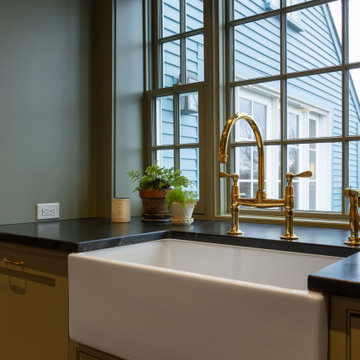 Housewright Construction Inc.
Custom Kitchen Designed by Susan Chew of Chew@Co Design.
Inspiration for a l-shaped medium tone wood floor, brown floor and exposed beam kitchen remodel in Burlington with a farmhouse sink, shaker cabinets, green cabinets, soapstone countertops, white backsplash, subway tile backsplash, stainless steel appliances and black countertops
Inspiration for a l-shaped medium tone wood floor, brown floor and exposed beam kitchen remodel in Burlington with a farmhouse sink, shaker cabinets, green cabinets, soapstone countertops, white backsplash, subway tile backsplash, stainless steel appliances and black countertops
 Integrity Tree Care & Grounds Maintenance
Facts About ButterfliesDifferent Types Of Butterflies And Butterfly Facts
Natural butterfly habitats have been destroyed or affected by construction of housing and shopping developments, as well as by the use of pesticides and other chemicals. You can provide a suitable butterfly habitat that will help fortify the butterfly population, and as an added bonus, the habitat will bring you enjoyment in watching beautiful butterflies in your yard.
The butterfly habitat should be relatively sunny (5-6 hours per day) and out of the wind. Butterflies can get their required nutrients and minerals from a mud puddle in a sunny area. A successful butterfly habitat will contain the plants favored by both caterpillars and butterflies. This means that you should include plants like Queen Anne’s Lace, violets, marigolds, and maybe even milkweed for the caterpillars to eat, since they are able to chew their food. In particular, monarch caterpillars eat milkweed because it makes them an unpleasant-tasting meal to predators. For the butterflies, which are able to suck and are unable to chew, you should include nectar plants with different colors of flowers, such as zinnias, lilacs, and the butterfly bush.
Butterfly habitats should last all summer, meaning that you should select plants that bloom at different times so that something is always blooming. You might be able to take inspiration in your planting selections from a butterfly garden or inside a butterfly house if you are lucky to live close enough to one of these carefully planned attractions. Often, landscapers and nursery employees will be able to advise you as to what possible additions to your butterfly habitat will grow well in your area.
Copyright © Facts About Butterflies | All Rights Reserved.
Content provided and copywritten by http://factsaboutbutterflies.net
 Housewright Construction Inc.
Custom Kitchen Designed by Susan Chew of Chew@Co Design.
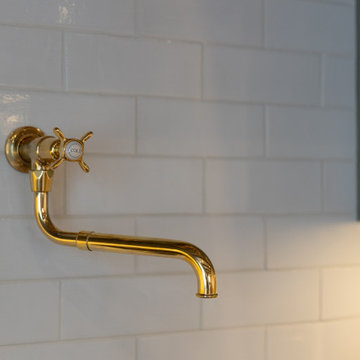
L-shaped medium tone wood floor, brown floor and exposed beam kitchen photo in Burlington with a farmhouse sink, shaker cabinets, green cabinets, soapstone countertops, white backsplash, subway tile backsplash, stainless steel appliances and black countertops
L-shaped medium tone wood floor, brown floor and exposed beam kitchen photo in Burlington with a farmhouse sink, shaker cabinets, green cabinets, soapstone countertops, white backsplash, subway tile backsplash, stainless steel appliances and black countertops
4