
Search results for "Close by hotel" in Home Design Ideas
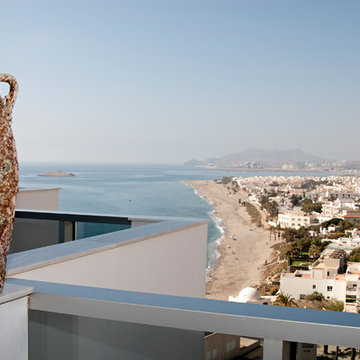
 Ánforas de Mar
Amphora of the Almagro 51 c type, with production of this type dating back to between the 3rd and middle of the 5th century AD in Portugal, in the kilns of Tejo, Valle del Sado and The Algarve. It was widespread in many places throughout Lusitania (Portugal), as well as in Hispania (Spain), where this type of amphorae was also produced.
It was most probably used for fish sauce since it was made in kilns found close to the fish factories of the zone. Underwater excavations can also confirm this hypothesis.
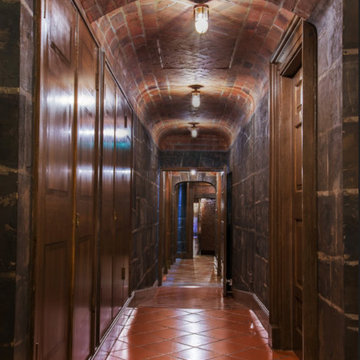
 STUDIO GRANIA MURRAY
With the preservation of the historic structure and Dublin landmark always at the forefront of our minds, we found a way to integrate our passionate dedication to the young 21st-century creators of modern Ireland -- all of whom we had previously scouted for the body of creatives known as ‘The Irish Collection’ -- and I believe we successfully achieved showcasing their creations in one of the most well-known settings in the country. It was our ability to listen closely to our clients and translate our vision to them in a way that eventually awarded the studio the opportunity to advocate for artistry in this famous Dublin landmark that will go on to inspire creatives in Ireland for a long time to come. In our determination to show fierce integrity to the original structure, the project became one of the most celebrated expressions of Irish craftsmanship and resource efficiency in 2017. Our studio integrated our clear vision for sophistication and flair within tight constraints -- paving the way for another 20 years of distinguished work.
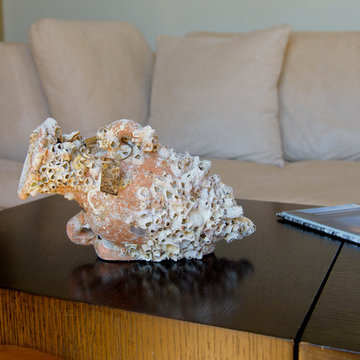 Ánforas de Mar
Amphora of the Almagro 51 c type, with production of this type dating back to between the 3rd and middle of the 5th century AD in Portugal, in the kilns of Tejo, Valle del Sado and The Algarve. It was widespread in many places throughout Lusitania (Portugal), as well as in Hispania (Spain), where this type of amphorae was also produced.
It was most probably used for fish sauce since it was made in kilns found close to the fish factories of the zone. Underwater excavations can also confirm this hypothesis.
Find the right local pro for your project
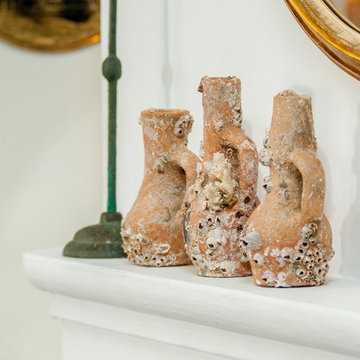 Ánforas de Mar
Amphora of the Almagro 51 c type, with production of this type dating back to between the 3rd and middle of the 5th century AD in Portugal, in the kilns of Tejo, Valle del Sado and The Algarve. It was widespread in many places throughout Lusitania (Portugal), as well as in Hispania (Spain), where this type of amphorae was also produced.
It was most probably used for fish sauce since it was made in kilns found close to the fish factories of the zone. Underwater excavations can also confirm this hypothesis.
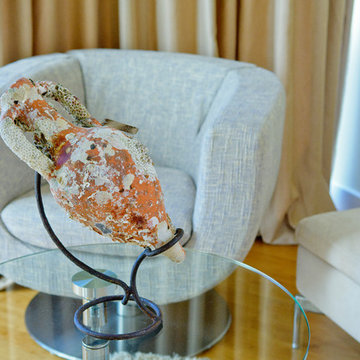 Ánforas de Mar
Amphora of the Almagro 51 c type, with production of this type dating back to between the 3rd and middle of the 5th century AD in Portugal, in the kilns of Tejo, Valle del Sado and The Algarve. It was widespread in many places throughout Lusitania (Portugal), as well as in Hispania (Spain), where this type of amphorae was also produced.
It was most probably used for fish sauce since it was made in kilns found close to the fish factories of the zone. Underwater excavations can also confirm this hypothesis.
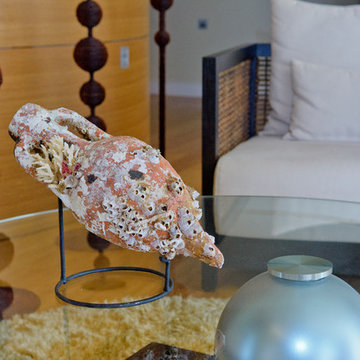 Ánforas de Mar
Amphora of the Almagro 51 c type, with production of this type dating back to between the 3rd and middle of the 5th century AD in Portugal, in the kilns of Tejo, Valle del Sado and The Algarve. It was widespread in many places throughout Lusitania (Portugal), as well as in Hispania (Spain), where this type of amphorae was also produced.
It was most probably used for fish sauce since it was made in kilns found close to the fish factories of the zone. Underwater excavations can also confirm this hypothesis.
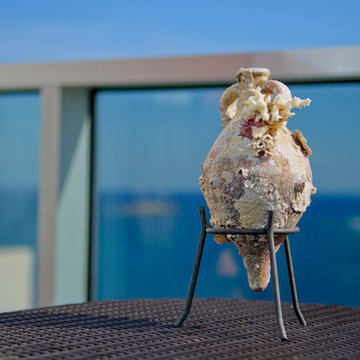 Ánforas de Mar
Amphora of the Almagro 51 c type, with production of this type dating back to between the 3rd and middle of the 5th century AD in Portugal, in the kilns of Tejo, Valle del Sado and The Algarve. It was widespread in many places throughout Lusitania (Portugal), as well as in Hispania (Spain), where this type of amphorae was also produced.
It was most probably used for fish sauce since it was made in kilns found close to the fish factories of the zone. Underwater excavations can also confirm this hypothesis.
Sponsored
Columbus, OH

Hope Restoration & General Contracting
Columbus Design-Build, Kitchen & Bath Remodeling, Historic Renovations
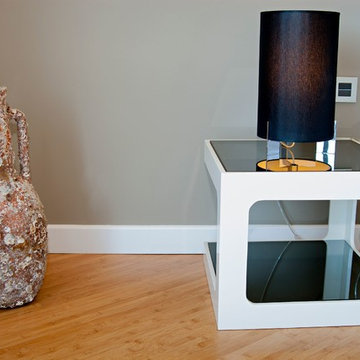 Ánforas de Mar
Amphora of the Almagro 51 c type, with production of this type dating back to between the 3rd and middle of the 5th century AD in Portugal, in the kilns of Tejo, Valle del Sado and The Algarve. It was widespread in many places throughout Lusitania (Portugal), as well as in Hispania (Spain), where this type of amphorae was also produced.
It was most probably used for fish sauce since it was made in kilns found close to the fish factories of the zone. Underwater excavations can also confirm this hypothesis.
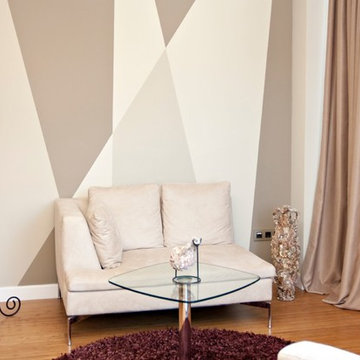 Ánforas de Mar
Amphora of the Almagro 51 c type, with production of this type dating back to between the 3rd and middle of the 5th century AD in Portugal, in the kilns of Tejo, Valle del Sado and The Algarve. It was widespread in many places throughout Lusitania (Portugal), as well as in Hispania (Spain), where this type of amphorae was also produced.
It was most probably used for fish sauce since it was made in kilns found close to the fish factories of the zone. Underwater excavations can also confirm this hypothesis.
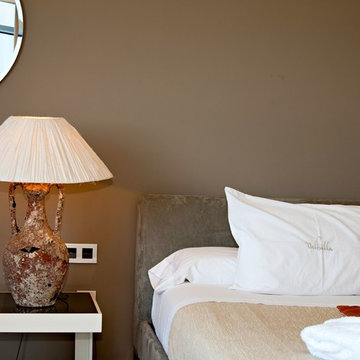 Ánforas de Mar
Amphora of the Almagro 51 c type, with production of this type dating back to between the 3rd and middle of the 5th century AD in Portugal, in the kilns of Tejo, Valle del Sado and The Algarve. It was widespread in many places throughout Lusitania (Portugal), as well as in Hispania (Spain), where this type of amphorae was also produced.
It was most probably used for fish sauce since it was made in kilns found close to the fish factories of the zone. Underwater excavations can also confirm this hypothesis.
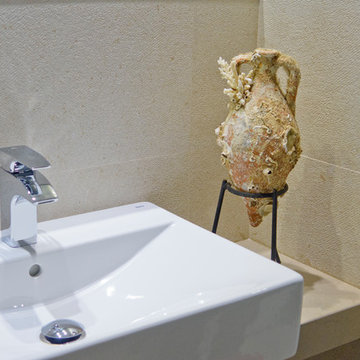 Ánforas de Mar
Amphora of the Almagro 51 c type, with production of this type dating back to between the 3rd and middle of the 5th century AD in Portugal, in the kilns of Tejo, Valle del Sado and The Algarve. It was widespread in many places throughout Lusitania (Portugal), as well as in Hispania (Spain), where this type of amphorae was also produced.
It was most probably used for fish sauce since it was made in kilns found close to the fish factories of the zone. Underwater excavations can also confirm this hypothesis.
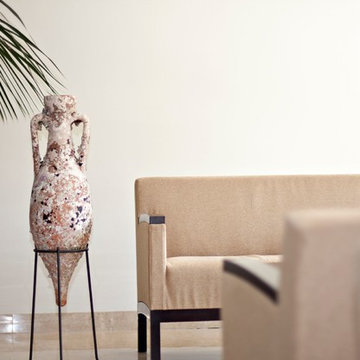 Ánforas de Mar
Amphora of the Almagro 51 c type, with production of this type dating back to between the 3rd and middle of the 5th century AD in Portugal, in the kilns of Tejo, Valle del Sado and The Algarve. It was widespread in many places throughout Lusitania (Portugal), as well as in Hispania (Spain), where this type of amphorae was also produced.
It was most probably used for fish sauce since it was made in kilns found close to the fish factories of the zone. Underwater excavations can also confirm this hypothesis.
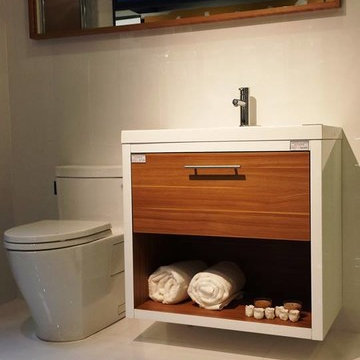
 Downtown Tile Centre
Inspiration for a large modern master bathroom in Toronto with an integrated sink, flat-panel cabinets, white cabinets, solid surface countertops, an alcove shower, a one-piece toilet, white tile, porcelain tile, white walls and porcelain floors.This vanity and mirror was designed by us and made by our custom mill-worker.
Designed by Joana Carreira
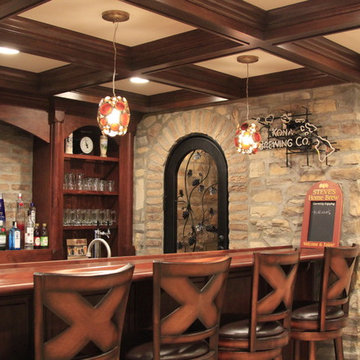
Sponsored
Delaware, OH

Buckeye Basements, Inc.
Central Ohio's Basement Finishing ExpertsBest Of Houzz '13-'21
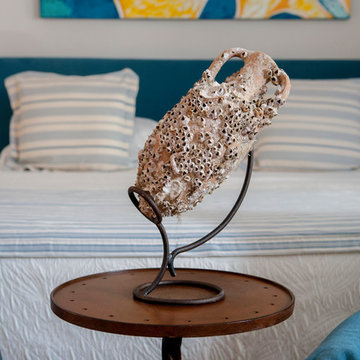 Ánforas de Mar
Amphora of the Almagro 51 c type, with production of this type dating back to between the 3rd and middle of the 5th century AD in Portugal, in the kilns of Tejo, Valle del Sado and The Algarve. It was widespread in many places throughout Lusitania (Portugal), as well as in Hispania (Spain), where this type of amphorae was also produced.
It was most probably used for fish sauce since it was made in kilns found close to the fish factories of the zone. Underwater excavations can also confirm this hypothesis.
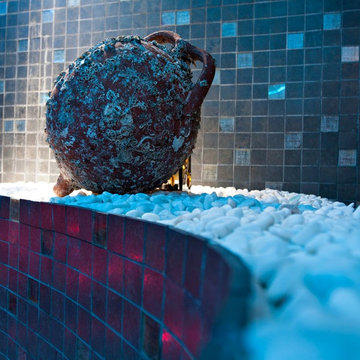 Ánforas de Mar
Amphora of the Almagro 51 c type, with production of this type dating back to between the 3rd and middle of the 5th century AD in Portugal, in the kilns of Tejo, Valle del Sado and The Algarve. It was widespread in many places throughout Lusitania (Portugal), as well as in Hispania (Spain), where this type of amphorae was also produced.
It was most probably used for fish sauce since it was made in kilns found close to the fish factories of the zone. Underwater excavations can also confirm this hypothesis.
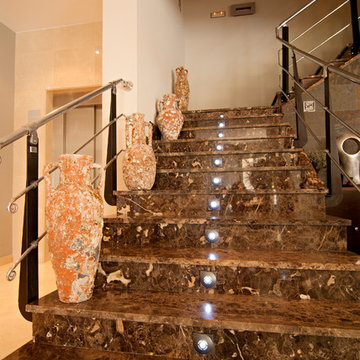 Ánforas de Mar
Amphora of the Almagro 51 c type, with production of this type dating back to between the 3rd and middle of the 5th century AD in Portugal, in the kilns of Tejo, Valle del Sado and The Algarve. It was widespread in many places throughout Lusitania (Portugal), as well as in Hispania (Spain), where this type of amphorae was also produced.
It was most probably used for fish sauce since it was made in kilns found close to the fish factories of the zone. Underwater excavations can also confirm this hypothesis.

Sponsored
Sunbury, OH

J.Holderby - Renovations
Franklin County's Leading General Contractors - 2X Best of Houzz!
 Bath in Wood of Maine llc
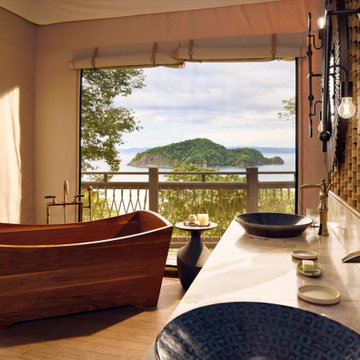
Opened in 2025, this landmark hotel is located on the Nekajui Papagayo Peninsula in Costa Rica. The architecture and interiors called for a thoughtful response to the surrounding landscape. We were commissioned to design and build custom wooden bathtubs for both the spa and the hotel’s luxurious tented accommodations—distinct designs, unified by material, craft and setting. Working closely with the project team, we translated their concepts into pieces that align seamlessly with the spirit of this extraordinary place.
9