
Search results for "Conducted" in Home Design Ideas
 Sherri Blum | Jack and Jill Interiors, Inc.
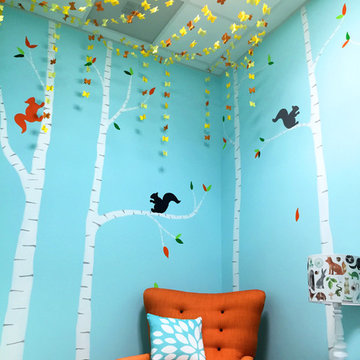
Children’s waiting room interior design project at Princeton University. I was beyond thrilled when contacted by a team of scientists ( psychologists and neurologists ) at Princeton University. This group of professors and graduate students from the Turk-Brown Laboratory are conducting research on the infant’s brain by using functional magnetic resonance imaging (or fMRI), to see how they learn, remember and think. My job was to turn a tiny 7’x10′ windowless study room into an inviting but not too “clinical” waiting room for the mothers or fathers and siblings of the babies being studied.
We needed to ensure a comfortable place for parents to rock and feed their babies while waiting their turn to go back to the laboratory, as well as a place to change the babies if needed. We wanted to stock some shelves with good books and while the room looks complete, we’re still sourcing something interactive to mount to the wall to help entertain toddlers who want something more active than reading or building blocks.
Since there are no windows, I wanted to bring the outdoors inside. Princeton University‘s colors are orange, gray and black and the history behind those colors is very interesting. It seems there are a lot of squirrels on campus and these colors were selected for the three colors of squirrels often seem scampering around the university grounds. The orange squirrels are now extinct, but the gray and black squirrels are abundant, as I found when touring the campus with my son on installation day. Therefore we wanted to reflect this history in the room and decided to paint silhouettes of squirrels in these three colors throughout the room.
While the ceilings are 10′ high in this tiny room, they’re very drab and boring. Given that it’s a drop ceiling, we can’t paint it a fun color as I typically do in my nurseries and kids’ rooms. To distract from the ugly ceiling, I contacted My Custom Creation through their Etsy shop and commissioned them to create a custom butterfly mobile to suspend from the ceiling to create a swath of butterflies moving across the room. Their customer service was impeccable and the end product was exactly what we wanted!
The flooring in the space was simply coated concrete so I decided to use Flor carpet tiles to give it warmth and a grass-like appeal. These tiles are super easy to install and can easily be removed without any residual on the floor. I’ll be using them more often for sure!
See more photos of our commercial interior design job below and contact us if you need a unique space designed for children. We don’t just design nurseries and bedrooms! We’re game for anything!

 Amoretti Brothers Inc.
AMORETTI BROTHERS is the amazing brand of handmade copper cookware, stoneware and decorative pieces.
Amoretti Brothers, a family of 4 brothers originally from Torino - Italy, gave the name to the company the last days of May, 2006 in New York City. Our studio/production is in Mexico (in a beautiful place just named World Heritage by the UNESCO thanks to the monarch butterflies that migrated there from Canada)- and our headquarters are in Mexico City where most of the brothers+family actually live.
 Ancient Surfaces
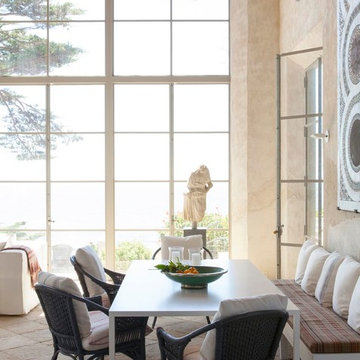
Antique limestone fireplace, architectural element, stone portals, reclaimed limestone floors, and opus sectile inlayes were all supplied by Ancient Surfaces for this one of a kind $20 million Ocean front Malibu estate that sits right on the sand.
For more information and photos of our products please visit us at: www.AncientSurfaces.com
or call us at: (212) 461-0245
Find the right local pro for your project
 Home Improvements
Embarking on a bathroom remodeling project is an exciting endeavor that can greatly enhance the functionality, aesthetics, and value of your home. However, finding a reliable and skilled contractor in a bustling city like Los Angeles can be a daunting task. To simplify the process and ensure a successful bathroom renovation, we have compiled a comprehensive guide on how to find a reputable bathroom remodeling contractor in Los Angeles, California.
Start with Online Research:
The first step in your quest for a reliable contractor is to conduct thorough online research. Utilize search engines like Google to find bathroom remodeling contractors in Los Angeles. Be sure to include specific keywords such as "bathroom remodeling," "contractor," and "Los Angeles" to refine your search results.
Check Online Directories and Review Platforms:
Explore online directories and review platforms like Yelp, Angie's List, and Houzz to find a curated list of bathroom remodeling contractors in Los Angeles. These platforms often provide detailed information about contractors, including customer reviews, ratings, project photos, and contact details. Assess the overall rating and read through multiple reviews to gauge the contractor's reputation and reliability.
Seek Recommendations:
Ask friends, family, neighbors, and colleagues who have recently undergone a bathroom remodeling project in Los Angeles for recommendations. Personal referrals can provide valuable insights and firsthand experiences that online research may not uncover. Inquire about the contractor's professionalism, craftsmanship, adherence to timelines, and overall satisfaction with the project.
Verify Credentials and Licensing:
Once you have shortlisted potential contractors, it is crucial to verify their credentials and licensing. Check if they are licensed by the Contractors State License Board (CSLB) in California. A valid license ensures that the contractor meets the state's requirements and regulations. Additionally, inquire about their insurance coverage to protect against any potential liabilities during the remodeling process.
Evaluate Experience and Expertise:
Assess the experience and expertise of the contractors on your list. Look for contractors who specialize in bathroom remodeling and have a proven track record of successful projects. Review their portfolios or ask for references to see examples of their previous work. A skilled contractor should be able to handle a variety of bathroom designs and styles, and provide creative solutions to meet your specific needs.
Schedule In-Person Consultations:
Arrange in-person consultations with the shortlisted contractors. Use this opportunity to discuss your remodeling goals, budget, timeline, and any specific requirements you may have. A reputable contractor will listen attentively, provide insights, and offer suggestions based on their expertise. Pay attention to their communication style, professionalism, and responsiveness, as these qualities are crucial for a smooth working relationship.
Request Detailed Quotes and Contracts:
Ask the contractors for detailed written quotes that outline the project's scope, materials, labor costs, and any additional expenses. A comprehensive quote will help you compare the estimates provided by different contractors effectively. Once you have selected a contractor, ensure that you have a detailed contract in place that covers all aspects of the project, including timelines, payment schedules, warranties, and dispute resolution processes.
Seek Permits and Building Code Compliance:
Bathroom remodeling projects often require permits and adherence to building codes. A reputable contractor will be familiar with the local building regulations in Los Angeles and should handle the permit application process on your behalf. Verify that the contractor will obtain the necessary permits and ensure that all work is compliant with local codes and regulations.
Conclusion:
Finding a bathroom remodeling contractor in Los Angeles, California, may seem overwhelming, but by following these guidelines, you can streamline the process and select a contractor who meets your expectations. Conduct thorough online research, seek recommendations, verify credentials, evaluate experience, and schedule in-person consultations to make an informed decision.

 Benjamin Silver Design
This series of photos are of the O'Donnell group Realty space in the Pearl district of Portland. this is the lounge area.
The just completed space was a total build out from the existing, unfinished shell.
The brief was to create an environment that felt part industrial loft, and part vintage home brought up to date, creating an office space that could serve both as a meeting place, an art space and place to conduct business.
 User
UserIn the heart of Cottingham Street, a journey began—an endeavor to transform a tired, outdated kitchen into a space of modern charm and functional elegance. It all started with a dream, perhaps born over Sunday breakfast conversations or inspired by glossy magazine spreads. You imagined more than just a room; you envisioned a hub, a place where culinary creativity and family gatherings intertwine seamlessly.
First came the consultations, where ideas danced between you and skilled designers, each conversation weaving threads of imagination and practicality. With blueprints in hand and dreams in mind, you ventured into the world of permits and regulations, navigating the bureaucratic maze to ensure your vision could take shape within the constraints of the law.
Demolition day arrived with a symphony of hammers and saws, marking the end of an era and the dawn of a new one. Out went the old, worn cabinets and outdated appliances, making space for the promise of something fresh and exciting. Dust danced in the sunlight filtering through the windows, a metaphor for the transformation unfolding before your eyes.
Amidst the rubble, craftsmen toiled, laying the groundwork for your culinary sanctuary. Pipes were rerouted, wires reconfigured, and walls reshaped, each task bringing you closer to the realization of your dream. It was a dance of precision and expertise, a symphony of progress conducted by skilled hands.
And then, like magic, the pieces began to fall into place. Cabinets rose from the floor like sentinels of style, countertops gleamed with the promise of countless meals shared, and appliances hummed with the anticipation of culinary adventures yet to come. Light flooded the space, casting shadows of possibility across every surface.
With a fresh coat of paint and a flourish of finishing touches, your kitchen emerged from its cocoon of renovation, transformed into a space that felt uniquely yours. It was more than just a room; it was a reflection of your personality, your taste, and your vision for the future.
As the final inspections were conducted and the last details attended to, you stood in the doorway of your new kitchen, a smile spreading across your face. Here, in this space of beauty and functionality, memories would be made, meals shared, and laughter echoed off the walls. It was a journey from start to finish, a testament to the power of vision and the magic of transformation. And it all began on Cottingham Street.
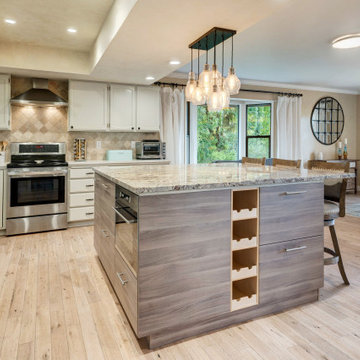 User
UserIn the heart of Cottingham Street, a journey began—an endeavor to transform a tired, outdated kitchen into a space of modern charm and functional elegance. It all started with a dream, perhaps born over Sunday breakfast conversations or inspired by glossy magazine spreads. You imagined more than just a room; you envisioned a hub, a place where culinary creativity and family gatherings intertwine seamlessly.
First came the consultations, where ideas danced between you and skilled designers, each conversation weaving threads of imagination and practicality. With blueprints in hand and dreams in mind, you ventured into the world of permits and regulations, navigating the bureaucratic maze to ensure your vision could take shape within the constraints of the law.
Demolition day arrived with a symphony of hammers and saws, marking the end of an era and the dawn of a new one. Out went the old, worn cabinets and outdated appliances, making space for the promise of something fresh and exciting. Dust danced in the sunlight filtering through the windows, a metaphor for the transformation unfolding before your eyes.
Amidst the rubble, craftsmen toiled, laying the groundwork for your culinary sanctuary. Pipes were rerouted, wires reconfigured, and walls reshaped, each task bringing you closer to the realization of your dream. It was a dance of precision and expertise, a symphony of progress conducted by skilled hands.
And then, like magic, the pieces began to fall into place. Cabinets rose from the floor like sentinels of style, countertops gleamed with the promise of countless meals shared, and appliances hummed with the anticipation of culinary adventures yet to come. Light flooded the space, casting shadows of possibility across every surface.
With a fresh coat of paint and a flourish of finishing touches, your kitchen emerged from its cocoon of renovation, transformed into a space that felt uniquely yours. It was more than just a room; it was a reflection of your personality, your taste, and your vision for the future.
As the final inspections were conducted and the last details attended to, you stood in the doorway of your new kitchen, a smile spreading across your face. Here, in this space of beauty and functionality, memories would be made, meals shared, and laughter echoed off the walls. It was a journey from start to finish, a testament to the power of vision and the magic of transformation. And it all began on Cottingham Street.
 Artisan Granite Countertops
Enclosed kitchen - mid-sized traditional l-shaped ceramic tile and beige floor enclosed kitchen idea in Dallas with a double-bowl sink, raised-panel cabinets, white cabinets, granite countertops, blue backsplash, mosaic tile backsplash, stainless steel appliances and an island

 JK interior living
Raquel Langworthy
Inspiration for a mid-sized eclectic freestanding desk dark wood floor and brown floor study room remodel in New York with blue walls
Inspiration for a mid-sized eclectic freestanding desk dark wood floor and brown floor study room remodel in New York with blue walls
 Blue Sound Construction, Inc.
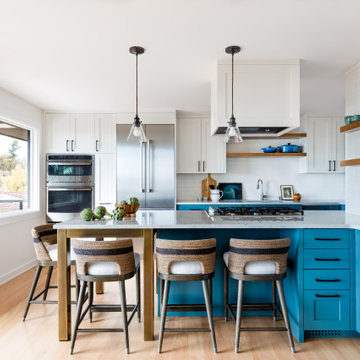
An all new kitchen freshens this water view home and better reflects the serene outdoor beauty without. Remodeled by Blue Sound Construction, Interior Design by KP Spaces, Design by Brian David Roberts, Photography by Miranda Estes.
 Advanced Alterations & Installation
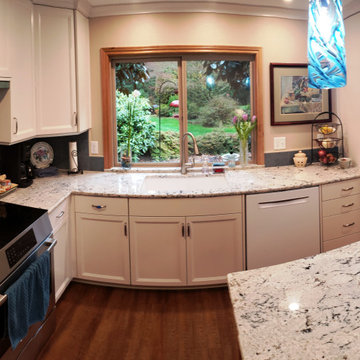
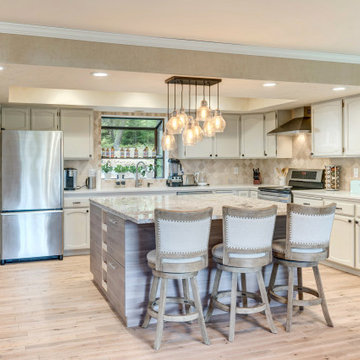
Painted custom wood cabinets with a stained island, granite counter tops, under mount sink, porcelain tile back splash, L.E.D under counter lighting, LVP flooring, conduction cook top, convection oven
 User
UserIn the heart of Cottingham Street, a journey began—an endeavor to transform a tired, outdated kitchen into a space of modern charm and functional elegance. It all started with a dream, perhaps born over Sunday breakfast conversations or inspired by glossy magazine spreads. You imagined more than just a room; you envisioned a hub, a place where culinary creativity and family gatherings intertwine seamlessly.
First came the consultations, where ideas danced between you and skilled designers, each conversation weaving threads of imagination and practicality. With blueprints in hand and dreams in mind, you ventured into the world of permits and regulations, navigating the bureaucratic maze to ensure your vision could take shape within the constraints of the law.
Demolition day arrived with a symphony of hammers and saws, marking the end of an era and the dawn of a new one. Out went the old, worn cabinets and outdated appliances, making space for the promise of something fresh and exciting. Dust danced in the sunlight filtering through the windows, a metaphor for the transformation unfolding before your eyes.
Amidst the rubble, craftsmen toiled, laying the groundwork for your culinary sanctuary. Pipes were rerouted, wires reconfigured, and walls reshaped, each task bringing you closer to the realization of your dream. It was a dance of precision and expertise, a symphony of progress conducted by skilled hands.
And then, like magic, the pieces began to fall into place. Cabinets rose from the floor like sentinels of style, countertops gleamed with the promise of countless meals shared, and appliances hummed with the anticipation of culinary adventures yet to come. Light flooded the space, casting shadows of possibility across every surface.
With a fresh coat of paint and a flourish of finishing touches, your kitchen emerged from its cocoon of renovation, transformed into a space that felt uniquely yours. It was more than just a room; it was a reflection of your personality, your taste, and your vision for the future.
As the final inspections were conducted and the last details attended to, you stood in the doorway of your new kitchen, a smile spreading across your face. Here, in this space of beauty and functionality, memories would be made, meals shared, and laughter echoed off the walls. It was a journey from start to finish, a testament to the power of vision and the magic of transformation. And it all began on Cottingham Street.
 Alexander Design Group, Inc.
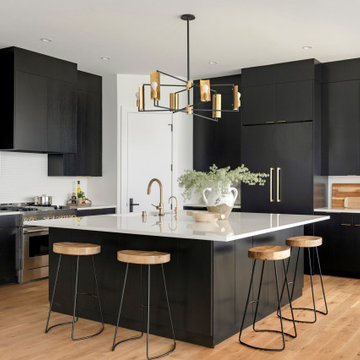
Eat-in kitchen - contemporary medium tone wood floor and brown floor eat-in kitchen idea in Minneapolis with an undermount sink, flat-panel cabinets, quartz countertops, white backsplash, an island and white countertops
 safe ZOnea
Maintaining a pest-free home requires attention throughout the year. Seasonal changes affect pest behavior, and understanding these patterns can save homeowners from costly damage and health hazards. In this guide, we will explore practical strategies for spring pest prevention tips, ensuring your property stays protected through every season. From spotting early signs to implementing proactive measures, these steps empower homeowners to take control before infestations occur.
Understanding Seasonal Pest Patterns
Pests adapt to changing weather, and knowing their patterns helps prevent infestations effectively.
Spring: Awakening Pests
Spring signals the end of winter dormancy for many pests. Rodents, ants, and termites start seeking food and warmth. Effective spring pest prevention tips include:
● Cleaning gutters and removing debris
● Sealing cracks and gaps in exterior walls
● Inspecting wood piles and compost areas
● Monitoring early signs of termite activity
Pro Tip: Conduct a termite inspection or a professional evaluation to catch infestations early before they spread.
Summer: Peak Pest Season
Warm temperatures accelerate pest breeding cycles. For a comprehensive summer pest prevention guide:
● Maintain lawns and trim vegetation away from homes
● Check window and door screens for tears
● Store food in sealed containers
● Inspect water sources that attract mosquitoes
Do You Know? Mosquitoes can lay eggs in a teaspoon of water. Eliminating stagnant water is crucial to reducing their population.
Fall: Preparing for Winter
As temperatures drop, pests search for warm indoor spaces. Key actions include:
● Inspecting for winter rodent entry points
● Sealing attic vents, crawl spaces, and foundation gaps
● Cleaning storage areas to minimize hiding spots
● Checking chimney and fireplace openings
Quick Fact: Rodents can enter homes through openings as small as ¼ inch.
Seasonal Pest Checklist for Homeowners
Creating a structured seasonal pest checklist simplifies preventive measures and ensures nothing is overlooked.
Season
Key Actions
Spring
Inspect for termites, seal exterior gaps, clean gutters, and check compost
Summer
Repair screens, trim vegetation, remove standing water, and secure food
Fall
Seal entry points, inspect attic/crawlspace, clear debris, and prepare storage
Winter
Monitor indoor activity, keep firewood away from walls, and maintain traps
Inspection & Maintenance Tips
● Schedule annual pest inspections by professional Virginia pest control consultation to detect hidden problems
● Keep a log of pest sightings and treatment dates
● Regularly replace weather stripping and caulk cracks
Note: Even small preventive steps, when consistently applied, drastically reduce infestations.
Common Pests and Their Seasonal Behaviors
Understanding how different pests behave each season helps homeowners take timely action to protect their property.
● Ants and Termites: Ants emerge in spring seeking food, while termites become active and can damage wood unnoticed. Early detection is critical.
● Rodents and Mice: Fall and winter increase rodent intrusions. Block all entry points and keep food sealed.
● Mosquitoes and Flies: Summer creates the ideal breeding environment for mosquitoes. Eliminate standing water and use physical barriers like nets.
● Spiders and Other Insects: Seasonal shifts cause spiders to move indoors. Regular vacuuming and decluttering reduce hiding spots.
Eco-Friendly Prevention Methods
● Use natural repellents like peppermint oil or diatomaceous earth
● Encourage beneficial insects, such as ladybugs, to reduce pest populations
● Plant pest-deterring plants near home boundaries, like marigolds or lavender
Integrated Pest Management (IPM)
Adopt an IPM approach by combining physical barriers, monitoring, and environmentally safe treatments. This minimizes chemical use while maintaining a pest-free home.
Quote: “Prevention is the most effective form of pest control.” – National Pest Management Association
Seasonal Pest Prevention Tools
● Snap traps and humane rodent traps
● Sticky traps for insects
● Outdoor perimeter sprays (eco-friendly)
● Moisture meters to detect early termite or mold problems
Pro Tip: Keep tools organized and accessible to act quickly when pest activity is noticed.
Planning: Annual Pest Calendar
Month
Recommended Action
March-April
Spring pest prevention tips: Inspect, seal, clean gutters
June-July
Summer pest prevention guide: Screens, standing water, food storage
September
Seasonal pest checklist: Seal entries, declutter, prep storage
November
Winter rodent entry points: Monitor indoors, maintain traps
Key Takeaways
● Seasonal awareness prevents infestations and property damage
● Consistent inspections and maintenance are essential
● Simple eco-friendly measures can significantly reduce pests
● Use a structured checklist and calendar for effective prevention
Conclusion
Homeowners who stay proactive and follow spring pest prevention tips, along with year-round monitoring, ensure their properties remain safe and comfortable. Using a summer pest prevention guide, checking winter rodent entry points, and maintaining a seasonal pest checklist ensure your home remains safe and comfortable. Remember to combine inspections, physical barriers, and environmentally friendly methods for the best results.
FAQs
Q1: How often should I perform a termite inspection?
A1: Conduct inspections annually, especially in spring, to detect early signs of termite activity and prevent extensive damage.
Q2: Can pests enter my home during winter?
A2: Yes, rodents and insects seek warmth and shelter indoors. Sealing entry points and monitoring for activity is crucial.
Q3: What is the most effective eco-friendly method for pest prevention?
A3: Using natural repellents, encouraging beneficial insects, and eliminating water sources effectively reduces pest populations without chemicals.
Ensure your home is ready for every season. Schedule a professional Virginia pest control consultation or a termite inspection in Suffolk, VA, today and stay ahead of potential infestations.
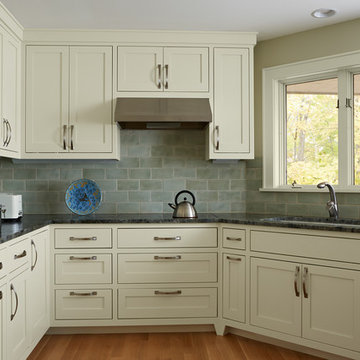
Eat-in kitchen - mid-sized traditional u-shaped medium tone wood floor eat-in kitchen idea in Minneapolis with an undermount sink, shaker cabinets, white cabinets, granite countertops, green backsplash, ceramic backsplash, paneled appliances and a peninsula
 Margot Hartford Photography
Photo: Margot Hartford © 2017 Houzz
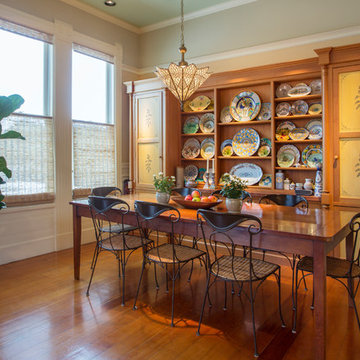
Inspiration for a dining room remodel in San Francisco
Inspiration for a dining room remodel in San Francisco
 Roomscapes Cabinetry and Design Center
Dan Cutrona Photography; Designed by Jessica Snyder-Betts
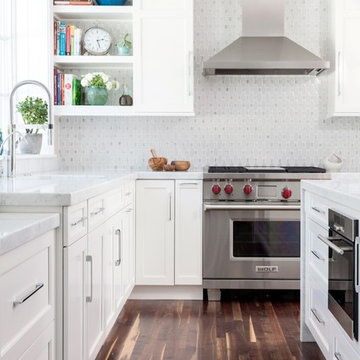
Large transitional l-shaped dark wood floor eat-in kitchen photo in Boston with white cabinets, white backsplash, stainless steel appliances, an undermount sink, recessed-panel cabinets, mosaic tile backsplash and an island
Large transitional l-shaped dark wood floor eat-in kitchen photo in Boston with white cabinets, white backsplash, stainless steel appliances, an undermount sink, recessed-panel cabinets, mosaic tile backsplash and an island

 Ecotopes
The project features a dry creek that conducts storm water from the top of the property, across the entry walkway, below to the street.
Photo of a contemporary landscaping in Austin.
Photo of a contemporary landscaping in Austin.

 Grounding Sheets
Grounding Sheets – Sleep Connected to the Earth
learn more
Rejuvenate each night and recharge your days.
Experience the power of nature’s healing energy with our premium Grounding Sheets, designed to reconnect your body to the Earth while you rest.
Crafted with a special blend of pure silver fibers and skin-friendly cotton, these sheets offer unparalleled softness, breathability, and conductivity—so you enjoy the comfort of luxury bedding with the science-backed benefits of grounding. learn more
Feel the Difference Every Morning
As you sleep, your body naturally absorbs the Earth’s electrons through the conductive silver threads. This gentle grounding connection helps to:
Reduce stress and anxiety
Calm inflammation and muscle tension
Promote deep, restorative sleep
Balance your body’s natural rhythms
Boost energy and overall well-being
Wake up refreshed, recharged, and truly balanced—ready to take on the day with renewed energy and focus.
Why Choose Our Grounding Sheets
Pure Silver Conductive Fiber – Ensures strong, consistent grounding connection.
Soft Cotton Comfort – Gentle on sensitive skin; feels just like luxury bedding.
Continuous Grounding Effect – Works all night as you rest.
Easy to Maintain – Machine washable with mild detergent; long-lasting durability.
Science Meets Serenity – Blends modern wellness with the Earth’s timeless energy.
How It Works
Simply connect the grounding cord to your wall outlet’s ground port or an outdoor ground rod.
As you sleep, the sheet transfers the Earth’s natural electrons to your body, helping neutralize free radicals and restore electrical balance—just like walking barefoot on grass.
Restore • Heal • Energize
Reclaim your natural connection to the Earth and rediscover how good real rest can feel.
With our Grounding Sheets, each night becomes a healing experience—helping your body restore itself naturally, so you wake up healthier, calmer, and more alive.
https://earthingharmony.com/products/sheet
 Texas Custom Countertops
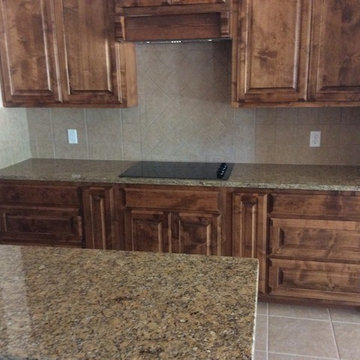
Example of a mid-sized classic galley ceramic tile and beige floor open concept kitchen design in Austin with raised-panel cabinets, medium tone wood cabinets, granite countertops, white appliances, an island, beige backsplash and ceramic backsplash
7