
Search results for "Leaving regular" in Home Design Ideas

 Corynne Pless
Photo: Corynne Pless Photography © 2015 Houzz
Example of an eclectic home office design in Los Angeles
Example of an eclectic home office design in Los Angeles


 AMLD INTERIOR INC
AL0128 LEAF LAMPADARIO HANDMADE CURVED CHANDELIER
DESCRIPTION:
This Chandelier is weightless perfection. The mirror glass support has pendant leaves of three different sizes, in handmade curved etched glass, with engravings as well. This stunning piece has over 12 built-in LED lights- in the support. In addition to the other remarkable parts of this piece, there is also a closing frame, to hide the wires included. To finish, this pendant has leaves of 3 different sizes, in hand-made curved etched glass, with engravings. Optional the leaves covered in 24K fine gold.
SPECIFICATIONS:
Collection: Residential
Size: 120" Length x 40" Wide x 145" Height- Adjustable
Shape: Pendant
Frame Finish: Chrome (Different finish options available at no additional cost)
Materials: Glass and Metal
Weight: 85 LBS
Bulbs: Built-in LED in the support (5W GU5.3 12V 2700K each). Closing frame to hide the wires included.
Assembly: Fully Assembled
Dimmer Switch Compatible: Optional
Shipping: Free Door-To-Door Shipping Worldwide
Rush Order: 4-6 Weeks; 15% added to the
Regular Lead Time: 8-12 Weeks
Warranty: 5 Years Full Coverage (includes replacement parts)
SIZE OPTIONS:
Round Shape: Price:
24" x 50" Height (20 Leaves) $3,642.00
36" x 58" Height (25 Leaves) $4,838.00
48" x 65" Height (40 Leaves) $6,884.00
60" x 105" Height (62 Leaves) $9,354.00
80" x 145" Height (70 Leaves) $11,014.00
130" x 150" Height (123 Leaves) $14,092.00
Rectangular Shape: Price:
40" x 15" Wide x 58" Height (26 Leaves) $5,416.00
50" x 20" Wide x 58" Height (30 Leaves) $6,448.00
60" x 20" Wide x 58" Height (44 Leaves) $8,122.00
80" x 30" Wide x 88" Height (65 Leaves) $9,746.00
90" x 30" Wide x 128" Height (70 Leaves) $11,762.00
120" x 40" Wide x 145" Height (125 Leaves) (as shown) $16,310.00
Custom Sizes, Finishes, Colors, Available Upon Request
Find the right local pro for your project



 User
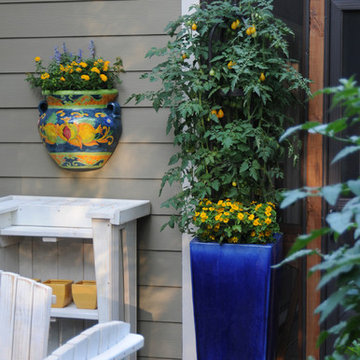
UserThis 'Yellow Pair' tomato is underplanted with Melampodium. It is supported with an iron obelisk. Learn how to grow easy vegetables that look great on your patio from the book "Easy Container Combos: Vegetables & Flowers." See a free, 24 page sample of the book at www.pamela-crawford.com. in the 'Books' section. Pamela Crawford designed and photographed the planter. Pamela designs landscapes throughout Palm Beach County, FL, including Boca Raton, Delray Beach, the town of Palm Beach, Palm Beach Gardens, Jupiter, and Wellington.

 Rikki Snyder
Photo: Rikki Snyder © 2015 Houzz
Inspiration for a timeless dining room remodel in New York
Inspiration for a timeless dining room remodel in New York
 AMLD INTERIOR INC
AL0128 LEAF LAMPADARIO HANDMADE CURVED CHANDELIER
DESCRIPTION:
This Chandelier is weightless perfection. The mirror glass support has pendant leaves of three different sizes, in handmade curved etched glass, with engravings as well. This stunning piece has over 12 built-in LED lights- in the support. In addition to the other remarkable parts of this piece, there is also a closing frame, to hide the wires included. To finish, this pendant has leaves of 3 different sizes, in hand-made curved etched glass, with engravings. Optional the leaves covered in 24K fine gold.
SPECIFICATIONS:
Collection: Residential
Size: 120" Length x 40" Wide x 145" Height- Adjustable
Shape: Pendant
Frame Finish: Chrome (Different finish options available at no additional cost)
Materials: Glass and Metal
Weight: 85 LBS
Bulbs: Built-in LED in the support (5W GU5.3 12V 2700K each). Closing frame to hide the wires included.
Assembly: Fully Assembled
Dimmer Switch Compatible: Optional
Shipping: Free Door-To-Door Shipping Worldwide
Rush Order: 4-6 Weeks; 15% added to the
Regular Lead Time: 8-12 Weeks
Warranty: 5 Years Full Coverage (includes replacement parts)
SIZE OPTIONS:
Round Shape: Price:
24" x 50" Height (20 Leaves) $3,642.00
36" x 58" Height (25 Leaves) $4,838.00
48" x 65" Height (40 Leaves) $6,884.00
60" x 105" Height (62 Leaves) $9,354.00
80" x 145" Height (70 Leaves) $11,014.00
130" x 150" Height (123 Leaves) $14,092.00
Rectangular Shape: Price:
40" x 15" Wide x 58" Height (26 Leaves) $5,416.00
50" x 20" Wide x 58" Height (30 Leaves) $6,448.00
60" x 20" Wide x 58" Height (44 Leaves) $8,122.00
80" x 30" Wide x 88" Height (65 Leaves) $9,746.00
90" x 30" Wide x 128" Height (70 Leaves) $11,762.00
120" x 40" Wide x 145" Height (125 Leaves) (as shown) $16,310.00
Custom Sizes, Finishes, Colors, Available Upon Request

 Jarrett Design
This beautiful farmhouse kitchen in soft grey tones bridge the gap between old and new. Thermador appliances work hard for the avid cooks who live here. Design by Jarrett Design, LLC. Cabinetry by Plain & Fancy Cabinetry. Counters by Bucks County Soapstone. Matt Villano Photography

 Notting Hill Decorative Hardware
Showcase customer home kitchen with Florid Leaves hardware accenting beautiful cream cabinetry on a gorgeous island.
Elegant kitchen photo in Milwaukee
Elegant kitchen photo in Milwaukee

 Brighton Cabinetry
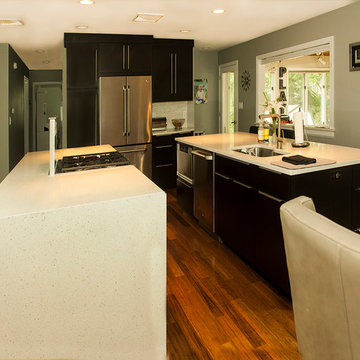
Sometimes it makes sense to have two islands in a kitchen, especially in an expansive space. In this California inspired “Open Floor Plan” the double island can have many functions. One of the islands is a waterfall island that features a cooking station. The other has a seating area, a working sink, and a microwave drawer. Also, on the side wall in the room, is a built in hutch with sliding doors for storing those extra accessories. While the cook is working in one space, guests can sit and socialize at the other, leaving a cluster free area for moving around and yet not leave anyone out while talking!
The kitchen’s cabinets are done up in our rich Chocolate stain on Maple each adorned in a beautiful light colored counter top to contrast. The doors and drawers are a custom styled veneer slab door with horizontal grain, giving this kitchen a contemporary “frameless” look while actually using Full Overlay framed cabinetry. Its minimalistic lines create a simple and clean atmosphere.
Designer: Bruce Albert of Alcraft, Inc. Ramsey, NJ
Website: http://www.alcraftkitchens.com/
Finish: Chocolate
Specie: Maple
Overlay: FOLC
Doors and Drawers: Custom Slab

 SUPERIOR CHIMNEY SERVICES CORPORATION
Standard annual or mechanical Chimney cleaning for gas and wood burning fireplaces typically works to remove any type of buildup as well as checking for the structural integrity of the chimney. Maintaining an annual chimney cleaning will meet the national safety standard set by the NFPA, CSIA, IRC and NCSG, helping homeowners avoid chimney fires and blockages.
Why does safety matter? Did you know that there was a chimney fire in Marengo in January? Or a chimney fire at a Peotone home at the end of March? Or a log cabin fire caused by the chimney in June? That’s just a few that happened in the past 7 months.
Why Does a Chimney Cleaning Matter?
Chimney sweeps also known as chimney cleanings, fireplace cleanings, or fireplace sweeps. Regardless of what you call it, it still means the same thing.
Chimney cleaning for gas and wood burning fireplaces serve 3 key purposes:
confirming structural integrity
removing flammable deposits and
obstruction-free assurance.
Homeowners with gas or wood burning fireplaces benefit from each of these safeguards.
The National Fire Protection Association addresses this directly through NFPA 211, a widely recognized fire safety code. The standard states that chimneys, fireplaces, and vents require inspection at least once a year for soundness, free from deposits, and correct clearances, with cleaning, maintenance, and repairs to be done whenever needed.
This annual requirement applies equally to gas and wood burning fireplaces. Organizations including the Chimney Safety Institute of America, the National Chimney Sweep Guild, International Residential code and the National Fire Protection Association each reference this standard as the requirement for home fire safety.
Free 14-Point Certified Written Inspection
Every chimney sweep completed through Superior Chimney includes a complimentary 14-point certified written inspection along with photo documentation delivered to you by email. This documentation gives homeowners a clear visual record of their chimney system.
The written report covers the condition of the flue liner, smoke chamber, smoke shelf, damper, firebox, chimney crown, and chimney cap, among other components examined during a standard visit. Photo documentation captures each area so homeowners can review the findings independently of the technician’s verbal summary. Written inspection reports allow families to track the condition of their fireplace chimney system over time.
Chimney Cleaning and Structural Integrity
A CSIA Certified Chimney Sweep technician, such as Superior Chimney technicians, visually examines the chimney from the top opening to the firebox below, gaining a full evaluation of the interior.
When chimney rods and brushes pass through the chimney system, loose pieces of fire clay tile, damaged tile joints, or crumbling brick sometimes fall down into the fireplace. This debris can mean there is an integrity problem. By knowing this is a problem, will protect families and their homes. Now it’s time to take care of it and call in a certified chimney technician.
Fireplace Cleaning and Creosote Removal
Creosote, is the technical name for soot. Soot forms as a natural byproduct of burning wood. Smoke traveling upward through the chimney and leaves deposits of creosote along the interior walls. With every fire, a little more gets built up.
The issue with creosote is that it is highly flammable and is the leading cause of chimney fires nationwide. Removing the buildup through regular chimney cleanings keeps a fireplace serviceable for continuous use throughout the spring, fall and winter seasons.
Standard and mechanical chimney cleanings pay close attention to the flue liner, smoke chamber, smoke shelf, damper, and firebox in a single service visit. Superior Chimney performs each fireplace chimney inspection using a no-mess process that protects the home during service. This keeps soot contained within specialized equipment rather than the living room.
An Obstruction Free Chimney
Several conditions create blockages within a chimney system. Bird, squirrel, bat and raccoon nesting material, feces, and debris frequently accumulate inside an unprotected flue, especially during spring and summer months when the fireplace sits unused.
Excessive creosote accumulation or a collapsed chimney liner can restrict proper airflow. Homeowners that address obstructions with a chimney inspection will be able to maintain proper draft and ventilation with their gas or wood burning fireplace. This will reduce the risk of smoke backing into the home.
Gas Chimney Cleaning Compared to Wood burning Chimney Cleaning
Gas and wood burning fireplaces share the same annual chimney inspection requirement. Whether you are burning wood, gas or a “pile of shirts” there is still heat and flame that requires worthy firewalls to protect the home from heat transfer. Fire worthiness and checking the firewall integrity is priority.
Wood burning fireplaces generate creosote that builds along the flue liner with every fire. Gas fireplace systems accumulate lighter deposits along with potential venting obstructions, since gas appliances rely heavily on venting for safe combustion byproduct release. Each system accumulates different residues that need attention.
A CSIA Certified Chimney Sweep technician from Superior Chimney adjusts the specific cleaning approach based on fuel type. However, the same core safety elements apply: structural integrity, deposit removal, and clear airflow.
What Happens During a Chimney Cleaning?
A typical chimney inspection begins with a walkthrough of the fireplace and the chimney on top of the roof, allowing the technician to record any visible concerns the homeowner reported in advance as well as any new findings.
The certified technician then covers the immediate hearth area with protective material before setting up specialized equipment designed to contain creosote throughout the cleaning and inspection.
Chimney rods and brushes pass through the flue liner to loosen and remove creosote deposits along the smoke chamber, smoke shelf, and damper. The certified technician inspects each section closely for loose or crumbling firewall, cracked joints, or other signs of weak structural damage.
A final walkthrough of the firebox and chimney completes the visual inspection. Photo documentation captures each component, and the certified written report is sent to the homeowner by email. This consistent process gives homeowners the documentation they need to compare year to year.
Chimney Cleaning Safety Standards
The table below summarizes the organizations that set national chimney safety standards, along with their specific requirements for fireplace chimney sweeps.
NFPA211
National Fire Protection Association
Annual inspection for soundness, deposit buildup, and correct clearances; cleaning and repairs completed as needed
CSIA
Chimney Safety Institute of America
Certifies technicians through testing on chimney and venting system knowledge
NCSG
National Chimney Sweep Guild
Establishes trade standards and best practices for chimney sweep professionals
How Often Should You Schedule a Chimney Cleaning and Inspection?
CSIA recommends scheduling chimney cleaning and inspection annually by CSIA Certified Chimney Sweeps. This recommendation applies to gas and wood burning fireplaces, regardless of how frequently a household uses the fireplace and especially in freeze/thaw geographic areas.
Regular chimney sweeps save lives, since a clean fireplace chimney rarely catches fire. CSIA encourages homeowners to rely on Certified Chimney Sweeps, as these technicians undergo regular testing on the complexities of chimney and venting systems throughout their careers.
Frequently Asked Questions
What is included in a chimney sweep? A chimney sweep includes the flue liner, smoke chamber, smoke shelf, damper, and firebox, removing creosote while checking for obstructions and structural concerns throughout the chimney system (NOT the ashpit).
How often should gas and wood burning fireplaces receive chimney sweeps? CSIA, NFPA, IRC and NCSG guidelines each call for chimney sweeps at least once a year for gas and wood burning fireplace systems.
Why does creosote removal matter for fireplace safety? Creosote is highly flammable and builds along the interior walls of a fireplace chimney with every fire, creating conditions that lead directly to chimney fires when left in place over time. Creosote is unburned particles from the combustion chamber.
Who should perform a fireplace chimney sweep? CSIA Certified Chimney Sweep technicians complete fireplace chimney sweeps after passing regular testing on chimney and venting system knowledge, meeting the certification standard recognized across the industry.
Does a fireplace chimney sweep remove animal nests and debris? No, a fireplace chimney sweep addresses soot and creosote, while significant nesting material, feces, or collapsed liner debris often calls for dedicated obstruction removal alongside the standard service.
What does the free 14-point inspection include? The complimentary 14-point certified written inspection documents the flue liner, smoke chamber, smoke shelf, damper, firebox, crown, and cap through photo evidence delivered directly by email for homeowner records.
Choose Superior Chimney for Your Certified Chimney Inspection
All service technicians completing chimney sweeps through Superior Chimney hold National Certification through the Chimney Safety Institute of America (CSIA), reflecting the training standard recommended by fire safety organizations nationwide.
Scheduling regular chimney sweeps to clean gas and wood burning fireplace systems protects a home from fire risk, preserves the structural integrity of the chimney, and keeps airflow clear for proper, continuous use throughout the year. Contact us today to schedule a chimney inspection at 877-244-6349.

 Brighton Cabinetry
Sometimes it makes sense to have two islands in a kitchen, especially in an expansive space. In this California inspired “Open Floor Plan” the double island can have many functions. One of the islands is a waterfall island that features a cooking station. The other has a seating area, a working sink, and a microwave drawer. Also, on the side wall in the room, is a built in hutch with sliding doors for storing those extra accessories. While the cook is working in one space, guests can sit and socialize at the other, leaving a cluster free area for moving around and yet not leave anyone out while talking!
The kitchen’s cabinets are done up in our rich Chocolate stain on Maple each adorned in a beautiful light colored counter top to contrast. The doors and drawers are a custom styled veneer slab door with horizontal grain, giving this kitchen a contemporary “frameless” look while actually using Full Overlay framed cabinetry. Its minimalistic lines create a simple and clean atmosphere.
Designer: Bruce Albert of Alcraft, Inc. Ramsey, NJ
Website: http://www.alcraftkitchens.com/
Finish: Chocolate
Specie: Maple
Overlay: FOLC
Doors and Drawers: Custom Slab
 kmjee
kmjeePepper plants are a delightful addition to any garden, offering a vibrant burst of color and spice to your culinary creations. However, even experienced gardeners can encounter challenges when growing pepper plants. In this blog, we'll explore some common issues you might face and provide practical solutions to help your pepper plants thrive.
1. Slow or Stunted Growth
Issue: Slow or stunted growth in pepper plants can be discouraging, but there are specific steps you can take to address this issue effectively.
Solution:
a. Soil Health:
- Well-Draining Soil: Ensure your pepper plants are in well-draining soil to prevent waterlogged roots, which can inhibit growth.
- Organic Matter: Incorporate plenty of organic matter, such as compost or well-rotted manure, into the soil to improve its texture and nutrient content.
- pH Level: Test the soil pH and adjust it to the ideal range between 6.0 and 6.8 using lime or sulfur as needed.
b. Fertilization:
- Balanced Fertilizer: Use a balanced, slow-release fertilizer designed for vegetables to provide essential nutrients steadily throughout the growing season.
- Compost: Amend the soil with compost to enhance nutrient availability and soil structure. This can promote healthier growth.
c. Watering:
- Consistent Moisture: Maintain consistent soil moisture levels by watering your pepper plants regularly but avoid waterlogging. Aim for 1-2 inches of water per week, adjusting based on your local climate and weather conditions.
- Mulching: Apply mulch around the base of the plants to retain soil moisture and regulate temperature.
2. Yellowing Leaves
Issue: Yellowing leaves can be a sign of various underlying problems, but addressing them promptly can restore the vibrancy of your pepper plants.
Solution:
a. Nutrient Deficiencies:
- Balanced Fertilization: Use a well-balanced fertilizer that includes micronutrients to address nutrient deficiencies.
- Specific Nutrients: If you suspect a particular deficiency, such as magnesium, iron, or nitrogen, apply the appropriate nutrient supplement following package instructions.
b. Pest and Disease Control:
- Pest Inspection: Regularly inspect the leaves and stems for common pests like aphids and mites. Remove affected leaves and treat with organic pesticides if necessary.
- Disease Management: Look out for signs of diseases like bacterial leaf spot or fungal issues. Apply organic fungicides or bactericides as recommended.
3. Blossom Drop
Issue: When pepper plants drop their blossoms prematurely, it can hinder fruit development and lead to disappointment.
Solution:
a. Temperature Control:
- Stable Temperatures: Ensure your pepper plants are exposed to consistent temperatures between 70°F and 80°F (21°C to 27°C) during flowering. Avoid sudden temperature fluctuations by providing shelter or using row covers.
b. Pollination:
- Assist with Pollination: If growing peppers indoors or in a greenhouse, help with pollination by gently shaking the plants or using a small brush to transfer pollen between flowers. Outdoor pepper plants are usually pollinated by insects.
4. Wilting Plants
Issue: Wilting or drooping pepper plants can be a sign of various problems, but proper care can revive them.
Solution:
a. Watering:
- Consistent Moisture: Adjust your watering routine to keep the soil consistently moist but not waterlogged. Water early in the day to prevent fungal issues.
- Drainage: Ensure proper soil drainage by amending the soil or using raised beds to prevent waterlogged roots.
b. Pest Control:
- Pest Inspection: Examine the undersides of leaves for signs of pests like aphids, spider mites, or whiteflies. Treat infestations promptly with biological insecticides.
5. Curling Leaves
Issue: Curling or misshapen leaves indicate stress in pepper plants, which can be caused by various factors.
Solution:
a. Environmental Stress:
- Stable Conditions: Ensure your pepper plants are in an environment with stable humidity, temperature, and adequate air circulation. Avoid sudden changes in conditions.
- Proper Ventilation: Adequate air circulation can reduce humidity and prevent fungal issues.
b. Pest and Disease Management:
- Pest Inspection: Regularly inspect your plants for pests and diseases, addressing them promptly with organic remedies as needed.
6. Sunscald
Issue: Sunscald can lead to discolored, leathery patches on pepper fruits when exposed to intense sunlight.
Solution:
a. Shade Cloth:
- Sun Protection: Shield your pepper plants from harsh sunlight during the hottest part of the day using shade cloth or by planting them where they receive some filtered sunlight.
b. Pruning:
- Fruit Shading: Prune excess foliage to allow better fruit shading, reducing the risk of sunscald. Ensure that there's a balance between foliage and fruit.
7. Pepper Plant Pests and Diseases
Issue: Aphids, mites, whiteflies, and various diseases can affect pepper plants, but you can manage them effectively.
Solution:
a. Regular Inspection:
- Vigilant Monitoring: Regularly inspect your pepper plants for signs of pests or diseases, paying close attention to the undersides of leaves and stems.
b. Organic Remedies:
- Pest Control: Use organic remedies like neem oil, insecticidal soap, or diatomaceous earth for pest control.
- Disease Management: Apply organic fungicides or bactericides as recommended to manage diseases like powdery mildew or bacterial spot.
While growing pepper plants can present various challenges, these common issues are manageable with the right knowledge and care. Regular monitoring, proper soil preparation, and timely intervention can help you enjoy a bountiful harvest of vibrant, spicy peppers. Remember that gardening is a learning experience, and each challenge you face is an opportunity to improve your skills and enjoy the rewards of homegrown peppers in your favorite dishes.
 Brighton Cabinetry
Sometimes it makes sense to have two islands in a kitchen, especially in an expansive space. In this California inspired “Open Floor Plan” the double island can have many functions. One of the islands is a waterfall island that features a cooking station. The other has a seating area, a working sink, and a microwave drawer. Also, on the side wall in the room, is a built in hutch with sliding doors for storing those extra accessories. While the cook is working in one space, guests can sit and socialize at the other, leaving a cluster free area for moving around and yet not leave anyone out while talking!
The kitchen’s cabinets are done up in our rich Chocolate stain on Maple each adorned in a beautiful light colored counter top to contrast. The doors and drawers are a custom styled veneer slab door with horizontal grain, giving this kitchen a contemporary “frameless” look while actually using Full Overlay framed cabinetry. Its minimalistic lines create a simple and clean atmosphere.
Designer: Bruce Albert of Alcraft, Inc. Ramsey, NJ
Website: http://www.alcraftkitchens.com/
Finish: Chocolate
Specie: Maple
Overlay: FOLC
Doors and Drawers: Custom Slab
 AMLD INTERIOR INC
AL0128 LEAF LAMPADARIO HANDMADE CURVED CHANDELIER
DESCRIPTION:
This Chandelier is weightless perfection. The mirror glass support has pendant leaves of three different sizes, in handmade curved etched glass, with engravings as well. This stunning piece has over 12 built-in LED lights- in the support. In addition to the other remarkable parts of this piece, there is also a closing frame, to hide the wires included. To finish, this pendant has leaves of 3 different sizes, in hand-made curved etched glass, with engravings. Optional the leaves covered in 24K fine gold.
SPECIFICATIONS:
Collection: Residential
Size: 120" Length x 40" Wide x 145" Height- Adjustable
Shape: Pendant
Frame Finish: Chrome (Different finish options available at no additional cost)
Materials: Glass and Metal
Weight: 85 LBS
Bulbs: Built-in LED in the support (5W GU5.3 12V 2700K each). Closing frame to hide the wires included.
Assembly: Fully Assembled
Dimmer Switch Compatible: Optional
Shipping: Free Door-To-Door Shipping Worldwide
Rush Order: 4-6 Weeks; 15% added to the
Regular Lead Time: 8-12 Weeks
Warranty: 5 Years Full Coverage (includes replacement parts)
SIZE OPTIONS:
Round Shape: Price:
24" x 50" Height (20 Leaves) $3,642.00
36" x 58" Height (25 Leaves) $4,838.00
48" x 65" Height (40 Leaves) $6,884.00
60" x 105" Height (62 Leaves) $9,354.00
80" x 145" Height (70 Leaves) $11,014.00
130" x 150" Height (123 Leaves) $14,092.00
Rectangular Shape: Price:
40" x 15" Wide x 58" Height (26 Leaves) $5,416.00
50" x 20" Wide x 58" Height (30 Leaves) $6,448.00
60" x 20" Wide x 58" Height (44 Leaves) $8,122.00
80" x 30" Wide x 88" Height (65 Leaves) $9,746.00
90" x 30" Wide x 128" Height (70 Leaves) $11,762.00
120" x 40" Wide x 145" Height (125 Leaves) (as shown) $16,310.00
Custom Sizes, Finishes, Colors, Available Upon Request
 Five Star Tree Care
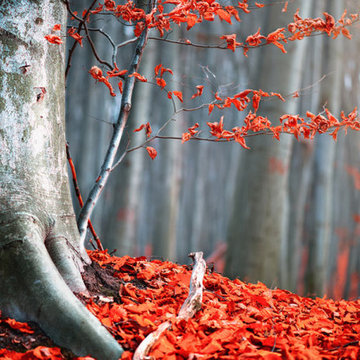
There are thousands of tree species all over the world and all these trees share the same anatomical features. All trees have trunks, branches, intricate rooting systems and leaves that make up their core systems. If you are curious about the anatomy and importance of each part, reading this guide by Five Star Tree Services is a great way to educate yourself.
Tree Branches & Twigs
The branches grow from the trunk of the tree and they help support the flowers, fruits and leaves the tree produces. The twigs and branches are also used as transport between the trunk and leaves. The top part of the tree along with the leaves is called the tree crown. This area filters dust and other debris from the atmosphere. In addition to cleaning the air, the crown also offers shade for animals and humans alike.
Tree Leaves
The leaves of a tree manage the photosynthesis process which ensures the tree has food and maintains its health. The leaves are also tasked with drawing in carbon monoxide and releasing oxygen for the rest of us to use. Many leaves have different edges which work to collect water, repel pests, and reduce wind resistance.
The Tree Trunk
The trunk of every tree has five layers. These layers consist of the inner bark, the outer bark, heartwood, sapwood, and cambium cell. The outer bark protects from harsh temperatures and pests, in addition to helping the tree retain moisture.
The inner bark, specifically the phloem is the digestive system that passes the food through to other parts of the tree. This part of the tree has a very short life, and it turns into cork before merging with the outer layer of bark when it dies. The cambium cell layer produces new tree bark and wood as the tree grows and this is generated from the hormones that come from the leaves and pass to the inner layer.
Sapwood is tasked with moving water to the leaves of the tree and as the wood ages, it transforms into heartwood, which is in the tree center. The heartwood is the main support of the tree structure and though it no longer grows, it won’t decay or become frail as long as it is protected by the outer layers.
The Tree Root System
One of the most important parts of the tree is its root system. These are found in the first three feet of soil around the tree and can extend as much as four times further away than the total circumference of the tree crown. The roots collect minerals and water from the ground, store food for the tree, and help secure it to its spot in the ground.
How Five Star Tree Services Can Help
Here at Five Star Tree Services, we care about the life and health of your trees. Our arborist offers 24-hour emergency services in addition to our regular tree and plant care services. If you are in need of trimming, tree assessment, deep root feeding, or tree removal in Toronto or the GTA, give us a call at (416) 990-3355 to set up an appointment.
 Five Star Tree Care
Utilizing the right plants can really spruce up the look of your property. But before you go and buy the first plant you see, it’s important to think about how dedicated you are to maintaining them and how much time you are willing to invest in them. All plants are alive and need love and attention. The amount of love and attention can vary depending on the plant. If you are a busy person who doesn’t have a lot of time to dedicate to the care of your plants, this doesn’t mean you can’t have plants and have them thrive.
There are many low-maintenance plants that you can choose from. These will allow you to add to the aesthetic of your property, without consuming your time to care for them. We here at Five Star Tree Services have come up with a list of the best low-maintenance shrubs for you to consider.
Flowering Shrubs
Looking to add colour and beauty to your landscape? You might be thinking regular flowers can do this, but have you considered flowering shrubs? These are something simple and beautiful that you can add to your yard.
Hibiscus
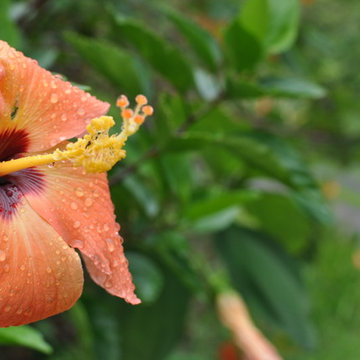
These plants come in many colours. It is also known as Chinese Hibiscus, China Rose, and Tropical Hibiscus. This evergreen perennial is native to warm temperature, subtropical and tropical places around the world. The flowers it produces can be 3-8 inches in diameter. Some resemble trumpets. Every flower has 5 or more petals and can range in colours from red, orange, yellow, purple, pink, and white. Flowers are constantly produced by this plant but each blossom only lasts a day. Its growth can be 24 inches a year and has the potential to reach 15 feet fully grown.
Forsythia
This shrub is part of the olive family. It is mostly native to eastern Asia but one is native to southeastern Europe. This plant is also known as golden bells. This is a deciduous shrub that can grow to 3-9 feet but ones with rough grey-brown bark have been known to grow to 20 feet. With opposite positioned leaves, that can grow between 2 and 10 cm in length. They produce bright yellow flowers and will bloom in early spring before the leaves come out.
Evergreen Shrubs
It is beneficial to have more green plants around you. There was a study done that showed women can have improved mental health and a longer life expectancy if you live in or near green areas. If you have a busy life and don’t have space in your home, you are able to still benefit from and experience evergreen shrubs. They are perfect for small yards and large ones alike.
Euonymus
This plant is native to places like East Asia, North America, Madagascar, the Himalayas, and Europe. Depending on what country you are in will determine the species you encounter. These have many names and you might have heard them referred to as a spindle tree, burning-bush, euonymus, strawberry-bush, spindle, or wintercreeper. There are 130 species of deciduous small trees, evergreen shrubs, and lianas.
The wintercreeper is a herbaceous perennial vine and it can grow to 70 feet. But it usually is left at 2-4 feet as a mounded shrub. It has egg-shaped leaves that measure to 1-2.5 inches long and 1-1.75 inches wide. They can vary in colour, such as dark green, green-gold, or green-white.
Blue Star Juniper
This is a needled shrub and is a member of the cypress family. It is native to the Himalayas, Afghanistan, and western China. You might also know it as flaky juniper, Himalayan juniper, or singleseed juniper. This is a dwarf shrub and when it gets to a mature size, it is a compact mound measuring from 1-3 feet high and 1.5-3 feet wide. It grows slow and has a tendency to grow out and not up. It has silvery-blue foliage and is densely packed with needles that are awl-shaped.
Privacy Shrubs
Everyone wants privacy while you are in your home or yard. Some people decide to install a fence in order to give themselves privacy. But there is a more creative way to acquire your privacy; with privacy shrubs! If you are looking for something that is different from a fence and low-maintenance, privacy shrubs are exactly what you are looking for. Not only do these plants provide you with the much-needed privacy you desire, they also add beauty to your landscaping. Some suggestions are as follows:
Thuja Green Giant
This is a genus of coniferous trees that belong to the cypress or Cupressaceae family. 3 out of 5 of these plants are native to Eastern Asia and the other 2 are from North America. This evergreen can also be known as Thuja green rocket or green giant arborvitae. They are fast growing and can grow to 3-5 feet in one season. Growing in a uniform shape, when mature, they can be 50-60 feet tall and 12-20 feet wide. They have tiny, glossy leaves that resemble scales. These overlap tightly together and create a fan of foliage.
Boxwood hedges
These evergreen shrubs and small trees are slow growing. You might also have heard them called boxes. They are native to numerous places that include Mexico, southern and eastern Asia, Africa, and southern and western Europe. These plants have been specifically grown for their foliage but they also produce a flower. They can grow from 1-20 feet tall and spread 2-8 feet wide. They have leathery feeling leaves that are lace-shaped or almost round. The colours can range from pale green to dark blue-green. They produce small yellow-green flowers in the spring.
WARNIIG: this plant produces a toxic alkaloid that can hurt humans and animals. If a person or animal were to eat the leaves, it can trigger convulsions, dizziness, intestinal distress, and respiratory failure. If you come in contact with the sap, it could cause skin irritation. It is best to avoid this plant if you have small children or pets.
Wax Myrtle Tree
This large shrub or small tree is native to the Caribbean and North and Central America. There are many names for this plant that include bayberry tree, southern wax myrtle, southern bayberry, tallow shrub, and candleberry. It is very adaptable to various habitats but it naturally will grow near rivers and streams, wetlands, dunes, fields, pine barrens, hillsides, and in mixed-broadleaf and coniferous forests. This shrub can grow 20-25 feet tall with light olive-green leaves that have serrated edges. It also has smooth thin gray-brown bark. It can also produce bluish-white fruit which grows on short stalks in clusters.
How Five Star Tree Service Can Help
When looking for privacy for your home, utilizing low-maintenance plants is a great way to do this. It is also a great way to add something unique to your yard. Some of these shrubs will require some maintenance, which is where our team at Five Star Tree Services can help! We offer shrub trimming services in Toronto and if you require our assistance, make sure to give us a call at (416) 990-3355.
 Five Star Tree Care
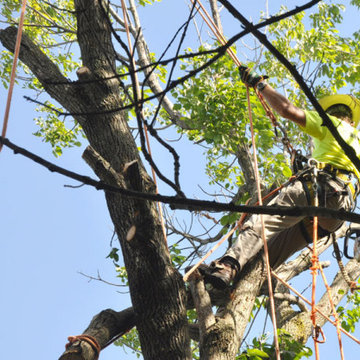
It’s important to make sure that all trees on your property are healthy and in good condition. This means hiring professional tree trimming services to maintain your trees yearly in order to keep them looking beautiful and healthy. In late winter or early spring is the best time to trim your trees. Doing so will help to improve the new growth that happens later in the spring. But fruit bearing trees and damaged trees can benefit from careful pruning in the summer. It takes an expert to skillfully trim trees during the summer without damaging them or causing harm and our team at Five Star Tree Services is just a call away to help you with your tree trimming needs!
Why Trim Your Trees?
By trimming your trees annually, this will not only open up your landscaping, which allows more sunlight to get to your property, but there are many other benefits.
These can include:
-Keep Trees Healthy and Promote Growth
When you trim your trees in the spring, before they start producing buds, this helps to stimulate more new growth, which helps to keep trees in excellent condition. This can be especially important for saplings as it encourages them to fill out nicely and in a controlled and structurally sound way. If you are not maintaining your trees properly, they can become too dense, which causes a bunch of problems. One being that it restricts the amount of sunlight getting to all the leaves and it reduces the amount of nutrient circulation needed to support the tree.
Professional tree pruning properly aids in tree growth and its overall aesthetic. Cutting off unneeded or unwanted branches allows other parts of the tree to grow easier. Ridding the tree of these extra branches also stimulates more leaf and fruit production.
-Increased Safety
Your landscape is affected when you neglect to take care of your trees, along with everything else on your property. If you have any dead trees remaining on your property, not only are you putting yourself at risk of injury, but you are putting your family, neighbours, pedestrians, and guests at risk as well. Dead or damaged branches can also be a hazard as they could fall at any time and impact with anyone standing too close to it, or it can fall on your house, which is another issue altogether, if it causes damage. Luckily, you are able to avoid all of this by simply having regular trimmings that will keep your trees healthy. You also need to make sure that all branches close to power lines are cut. This especially, should only be done by a trained professional in order to avoid potential electrocution.
-Increase Production of Fruit
If you are lucky enough to have a fruit bearing tree, it is especially important to have it professionally trimmed before and after it fruits. Doing so helps to improve its overall health and ability to bear fruit by getting rid of unhealthy branches. New fruit also develops and spurs for bearing fruit for the following year.
-Manage Spreading Diseases
Tree branches that are damaged tend to be prone to diseases which are able to spread to other plants and trees in your yard. Branches that are dead also have the potential to easily fall with any wind and especially during a storm. Severely damaged branches can even fall without reason. When you get your trees trimmed and pruned regularly, this prevents these things from happening. It also prevents spreading disease to other trees. Any disease branches should especially be trimmed if they are close to where kids play, people walk, or by doors.
-Increase the Value of Your Property and Overall Appearance
Continuous maintenance and trilling will improve the aesthetic of your property. It controls clutter and opens up the space of the landscaping. Meaning that the curbside appeal to your property increases. This is especially important if you are planning to sell your house, which will actually raise the value of your property. The first step in enhancing the appearance of your property is properly taking care of your trees. The first thing people see when they pull up to or go past your house is the trees. By simply pruning your trees you can make a good impression on potential buyers and your neighbours as well.
-Safeguarding Your Property
Owning a house is the biggest investment you will probably ever make. Making the effort to maintain and increase its value by keeping it in good condition should be your first priority. By trimming your trees regularly, you will be protecting your investment. Not to mention this also allows you to enjoy a nicely manicured property.
Why Professionals Are Essential
Professionals help to improve the health and overall condition of your trees. Trying to trim or prune your trees when you don’t know how can be detrimental. This is why hiring a professional, who has the right knowledge and tools, is better than trying to do it yourself.
-Cost-Effective
Think of it as a short-term expense for a long-term return on your investment. Allowing professional arborists to do your tree maintenance can potentially help to negate the costs of injuries attained from DIY home improvements related to trees, replacements and repairs.
-Skilled and Experienced
Real tools required for trimming a tree need to be handled properly and by the appropriate people. If a regular person were to try and use these tools, the end result could be injury and property damage. This is especially true for any trimming required around power lines. All professionals will have the right experience and skills required to wield these tools in a safe way. This minimizes the likelihood of hazards, injuries, and life-threatening incidents.
-Proper Tools
Heavy-duty chainsaws, ladders, and protective gear are all needed to safely and properly trim a tree. When you hire a professional, they have all the required tools and more. Meaning that you won’t have to go out and buy these tools yourself. As a professional, they also make sure that their tools are reliable and well-maintained in order to efficiently get the job done well.
-Insured
Professionals are also always insured with liability insurance when doing jobs to cover any damages or injuries attained while working. They are able to also provide a guarantee for the safety of your property and belongings while they are doing a job for you.
How Five Star Tree Services Can Help
Although trimming your tree might seem like an easy job, it’s always best to trust the professionals. Proper execution of the task requires the right skills, experience, and knowledge. Our team at Five Star Tree Services have all of this and more! Give us a call at (416) 990-3355 to enlist us for all your Toronto Tree Trimming needs!
8