
Search results for "Monitoring key" in Home Design Ideas
 Rhodes Architecture + Light
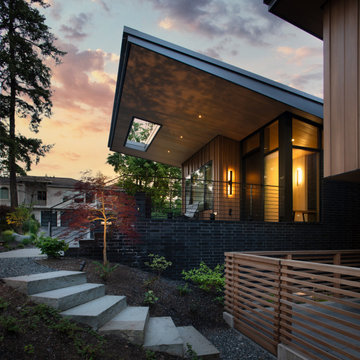
Wingspan’s gull-wing roofs are pitched in two directions and become an outflowing of interiors, lending more or less scale to public and private space within. Beyond the dramatic aesthetics, the roof forms serve to lend the right scale to each interior space below while lifting the eye to light and views of water and sky. This concept begins at the big east porch sheltered under a 15-foot cantilevered roof; the neighborhood-friendly porch and entry are adjoined by shared home offices that can monitor the front of the home. The entry acts as a glass lantern at night, greeting the visitor; the interiors then gradually expand to the rear of the home, lending views of the park, lake, and distant city skyline to key interior spaces such as the bedrooms, living-dining-kitchen and family game/media room.
 Rhodes Architecture + Light
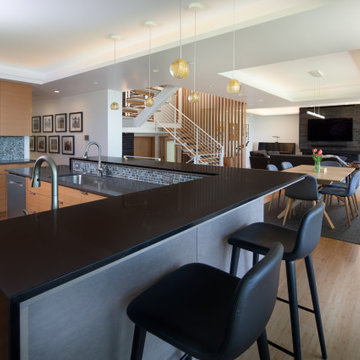
Wingspan’s gull wing roofs are pitched in two directions and become an outflowing of interiors, lending more or less scale to public and private space within. Beyond the dramatic aesthetics, the roof forms serve to lend the right scale to each interior space below while lifting the eye to light and views of water and sky. This concept begins at the big east porch sheltered under a 15-foot cantilevered roof; neighborhood-friendly porch and entry are adjoined by shared home offices that can monitor the front of the home. The entry acts as a glass lantern at night, greeting the visitor; the interiors then gradually expand to the rear of the home, lending views of park, lake and distant city skyline to key interior spaces such as the bedrooms, living-dining-kitchen and family game/media room.

 Brittany L. Whitney - Ethan Allen Scottsdale
W H EARLE PHOTOGRAPHY
Mid-sized transitional freestanding desk dark wood floor study room photo in Phoenix with white walls and no fireplace
Mid-sized transitional freestanding desk dark wood floor study room photo in Phoenix with white walls and no fireplace
Find the right local pro for your project

 safe ZOnea
Maintaining a pest-free home requires attention throughout the year. Seasonal changes affect pest behavior, and understanding these patterns can save homeowners from costly damage and health hazards. In this guide, we will explore practical strategies for spring pest prevention tips, ensuring your property stays protected through every season. From spotting early signs to implementing proactive measures, these steps empower homeowners to take control before infestations occur.
Understanding Seasonal Pest Patterns
Pests adapt to changing weather, and knowing their patterns helps prevent infestations effectively.
Spring: Awakening Pests
Spring signals the end of winter dormancy for many pests. Rodents, ants, and termites start seeking food and warmth. Effective spring pest prevention tips include:
● Cleaning gutters and removing debris
● Sealing cracks and gaps in exterior walls
● Inspecting wood piles and compost areas
● Monitoring early signs of termite activity
Pro Tip: Conduct a termite inspection or a professional evaluation to catch infestations early before they spread.
Summer: Peak Pest Season
Warm temperatures accelerate pest breeding cycles. For a comprehensive summer pest prevention guide:
● Maintain lawns and trim vegetation away from homes
● Check window and door screens for tears
● Store food in sealed containers
● Inspect water sources that attract mosquitoes
Do You Know? Mosquitoes can lay eggs in a teaspoon of water. Eliminating stagnant water is crucial to reducing their population.
Fall: Preparing for Winter
As temperatures drop, pests search for warm indoor spaces. Key actions include:
● Inspecting for winter rodent entry points
● Sealing attic vents, crawl spaces, and foundation gaps
● Cleaning storage areas to minimize hiding spots
● Checking chimney and fireplace openings
Quick Fact: Rodents can enter homes through openings as small as ¼ inch.
Seasonal Pest Checklist for Homeowners
Creating a structured seasonal pest checklist simplifies preventive measures and ensures nothing is overlooked.
Season
Key Actions
Spring
Inspect for termites, seal exterior gaps, clean gutters, and check compost
Summer
Repair screens, trim vegetation, remove standing water, and secure food
Fall
Seal entry points, inspect attic/crawlspace, clear debris, and prepare storage
Winter
Monitor indoor activity, keep firewood away from walls, and maintain traps
Inspection & Maintenance Tips
● Schedule annual pest inspections by professional Virginia pest control consultation to detect hidden problems
● Keep a log of pest sightings and treatment dates
● Regularly replace weather stripping and caulk cracks
Note: Even small preventive steps, when consistently applied, drastically reduce infestations.
Common Pests and Their Seasonal Behaviors
Understanding how different pests behave each season helps homeowners take timely action to protect their property.
● Ants and Termites: Ants emerge in spring seeking food, while termites become active and can damage wood unnoticed. Early detection is critical.
● Rodents and Mice: Fall and winter increase rodent intrusions. Block all entry points and keep food sealed.
● Mosquitoes and Flies: Summer creates the ideal breeding environment for mosquitoes. Eliminate standing water and use physical barriers like nets.
● Spiders and Other Insects: Seasonal shifts cause spiders to move indoors. Regular vacuuming and decluttering reduce hiding spots.
Eco-Friendly Prevention Methods
● Use natural repellents like peppermint oil or diatomaceous earth
● Encourage beneficial insects, such as ladybugs, to reduce pest populations
● Plant pest-deterring plants near home boundaries, like marigolds or lavender
Integrated Pest Management (IPM)
Adopt an IPM approach by combining physical barriers, monitoring, and environmentally safe treatments. This minimizes chemical use while maintaining a pest-free home.
Quote: “Prevention is the most effective form of pest control.” – National Pest Management Association
Seasonal Pest Prevention Tools
● Snap traps and humane rodent traps
● Sticky traps for insects
● Outdoor perimeter sprays (eco-friendly)
● Moisture meters to detect early termite or mold problems
Pro Tip: Keep tools organized and accessible to act quickly when pest activity is noticed.
Planning: Annual Pest Calendar
Month
Recommended Action
March-April
Spring pest prevention tips: Inspect, seal, clean gutters
June-July
Summer pest prevention guide: Screens, standing water, food storage
September
Seasonal pest checklist: Seal entries, declutter, prep storage
November
Winter rodent entry points: Monitor indoors, maintain traps
Key Takeaways
● Seasonal awareness prevents infestations and property damage
● Consistent inspections and maintenance are essential
● Simple eco-friendly measures can significantly reduce pests
● Use a structured checklist and calendar for effective prevention
Conclusion
Homeowners who stay proactive and follow spring pest prevention tips, along with year-round monitoring, ensure their properties remain safe and comfortable. Using a summer pest prevention guide, checking winter rodent entry points, and maintaining a seasonal pest checklist ensure your home remains safe and comfortable. Remember to combine inspections, physical barriers, and environmentally friendly methods for the best results.
FAQs
Q1: How often should I perform a termite inspection?
A1: Conduct inspections annually, especially in spring, to detect early signs of termite activity and prevent extensive damage.
Q2: Can pests enter my home during winter?
A2: Yes, rodents and insects seek warmth and shelter indoors. Sealing entry points and monitoring for activity is crucial.
Q3: What is the most effective eco-friendly method for pest prevention?
A3: Using natural repellents, encouraging beneficial insects, and eliminating water sources effectively reduces pest populations without chemicals.
Ensure your home is ready for every season. Schedule a professional Virginia pest control consultation or a termite inspection in Suffolk, VA, today and stay ahead of potential infestations.



 Custom Gardens, LLC
This is a lovely old home that experienced major renovations last year. We
were very fortunate to be requested by the owners to update their
landscaping upon completion of the renovations. The project relied heavily
on collaboration with the owners who made the key decisions in choosing the
plants that I suggested and deciding upon concepts. We decided to re-create
the formal garden by using informal plants. We also decided that the flower
color should be white throughout the formal garden. We spent time deciding
upon color preferences, plants they like (such as lilac), and the "look" of
the plants. We wanted them to fit the architecture of the house. The goal
was to come up with interesting and unusual plants that provided lots of
year round color and did not require lots of maintenance. The landscape
will require periodic maintenance to monitor the plants and keep everything
looking good. We used lots of Native plants where appropriate and re-used
many of the plants on site. For example, we removed the cranesbill geranium
from the old formal garden but discarded the dead and dying boxwood. We
used the cranesbill geranium in beds against the back of the house. The
plants will form a low carpet that flowers and reduces weed growth. We moved
a very large pink flowering crape myrtle that was blocking the view to a
corner of the house where it brackets the corner with another large pink
crape myrtle on the other side of the corner.
 Boca Tech and Automation
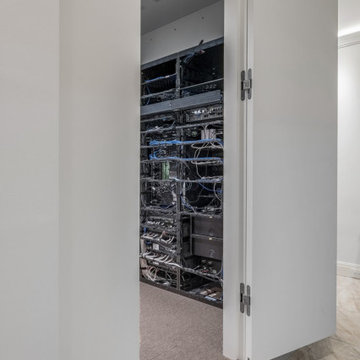
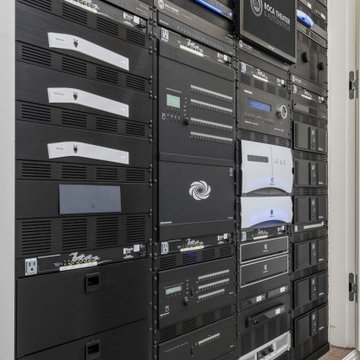
This project was the design and delivery of a flexible and fault-tolerant main equipment closet (MEC) housing an enterprise-class infrastructure that services a 20,000 square foot home, a vibrant business, and a world-class home theater. In Boca Theater and Automation’s experience, the three cornerstones of any successful project in South Florida involve clean power, proper management of heat, and ANSI/TIA certified copper and fiber terminations; enterprise-class systems add in redundancy where it matters.
To achieve this level of performance, the MEC and all endpoints are powered by a RoseWater HUB20 system backed up by a large-scale generator. The MEC is cooled using a dedicated air conditioner with four backup 300CFM exhaust fans triggered by temperature sensors. Both systems send alerts monitoring key parameters such as heat, moisture, incoming power, battery health, and more. Every rack-mounted device can be individually rebooted using the custom-designed touch panel interface, or from sixty-four labeled buttons on the user side of the rack.
BTA designed patch bays provide professional landing points for 11.7 miles of low voltage copper and fiber runs servicing the entire campus, and each termination was tested using a Fluke DSX8000 system following extended ANSI/TIA guidelines for 10GB permalink installations.
 Boca Tech and Automation
This project was the design and delivery of a flexible and fault-tolerant main equipment closet (MEC) housing an enterprise-class infrastructure that services a 20,000 square foot home, a vibrant business, and a world-class home theater. In Boca Theater and Automation’s experience, the three cornerstones of any successful project in South Florida involve clean power, proper management of heat, and ANSI/TIA certified copper and fiber terminations; enterprise-class systems add in redundancy where it matters.
To achieve this level of performance, the MEC and all endpoints are powered by a RoseWater HUB20 system backed up by a large-scale generator. The MEC is cooled using a dedicated air conditioner with four backup 300CFM exhaust fans triggered by temperature sensors. Both systems send alerts monitoring key parameters such as heat, moisture, incoming power, battery health, and more. Every rack-mounted device can be individually rebooted using the custom-designed touch panel interface, or from sixty-four labeled buttons on the user side of the rack.
BTA designed patch bays provide professional landing points for 11.7 miles of low voltage copper and fiber runs servicing the entire campus, and each termination was tested using a Fluke DSX8000 system following extended ANSI/TIA guidelines for 10GB permalink installations.
 Jongonga Contractors
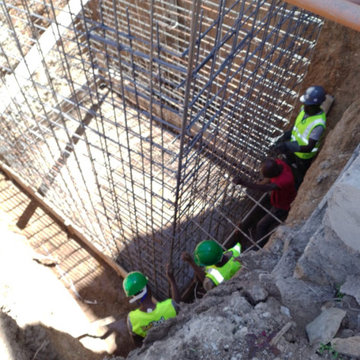
This is ongoing in Naro moru in Nyeri #county_number_19 concrete underground water tank, Underground tank is extremely durable and permanently we do plastering also waterproofing for added for strength. Get 5% off discount on Concrete Underground Water Tank Construction in Kenya; Our Key responsibilities on concrete preparing the concrete pouring schedule and monitoring the concrete quality. Constructed Concrete Water Tanks in Kenya, Structural engineer will check the columns, beams, slabs and shears walls if they are setup with the correct dimensions as in the drawing plans. Calculating and checking the elevations by the use of the total station. Reading and analyzing structure project drawing plans as per Architect satisfaction. This work is professionally processed into a seamless mold to prevent leaks, with warranties of a lifespan of between 15 and 20 years; indeed, a good quality concrete water tank can last several decades. Also we do repairs and restores old and dilapidated water tanks. In addition, in towns and cities is an excellent method of recovering water. #construction #concrete #structural #project #work #quality #engineer #architect #water #kenya
 Custom Gardens, LLC
This is a lovely old home that experienced major renovations last year. We
were very fortunate to be requested by the owners to update their
landscaping upon completion of the renovations. The project relied heavily
on collaboration with the owners who made the key decisions in choosing the
plants that I suggested and deciding upon concepts. We decided to re-create
the formal garden by using informal plants. We also decided that the flower
color should be white throughout the formal garden. We spent time deciding
upon color preferences, plants they like (such as lilac), and the "look" of
the plants. We wanted them to fit the architecture of the house. The goal
was to come up with interesting and unusual plants that provided lots of
year round color and did not require lots of maintenance. The landscape
will require periodic maintenance to monitor the plants and keep everything
looking good. We used lots of Native plants where appropriate and re-used
many of the plants on site. For example, we removed the cranesbill geranium
from the old formal garden but discarded the dead and dying boxwood. We
used the cranesbill geranium in beds against the back of the house. The
plants will form a low carpet that flowers and reduces weed growth. We moved
a very large pink flowering crape myrtle that was blocking the view to a
corner of the house where it brackets the corner with another large pink
crape myrtle on the other side of the corner.
 GOFLOW Plumbing
Small job, big peace-of-mind.
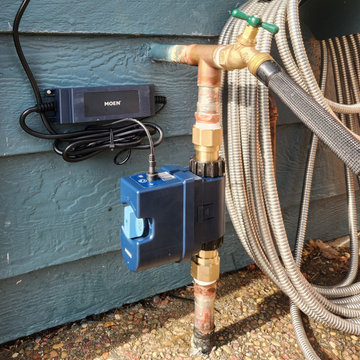
We were out in Bel Marin Keys today installing a 1” Moen Flo smart shutoff valve and a new hose bib. The whole job took just 2 hours, but what it does for a home is huge.
We don’t think about our water main until something goes wrong — and then the damage can be fast and expensive. A smart shutoff valve monitors your home’s water use and can automatically turn the water off if it detects a leak, helping prevent catastrophic water damage.
It also helps you save money on water. The Moen app alerts you to unusual usage, running toilets, or small leaks you might never notice otherwise.
And many insurance companies now see these systems as a major risk reducer, sometimes helping with coverage or lower premiums.
For those of us who have one, it means less stress when we’re away, better control of our homes, and one less thing to worry about.
Don't wonder what would happen if a leak started while no one was home, we can tell you all about it and how to keep it from happening to you.
 Boca Tech and Automation
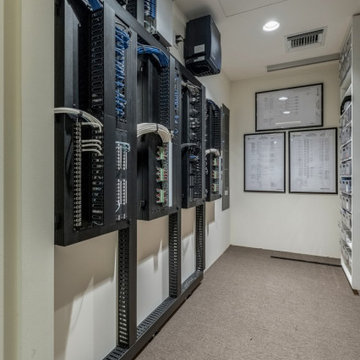
This project was the design and delivery of a flexible and fault-tolerant main equipment closet (MEC) housing an enterprise-class infrastructure that services a 20,000 square foot home, a vibrant business, and a world-class home theater. In Boca Theater and Automation’s experience, the three cornerstones of any successful project in South Florida involve clean power, proper management of heat, and ANSI/TIA certified copper and fiber terminations; enterprise-class systems add in redundancy where it matters.
To achieve this level of performance, the MEC and all endpoints are powered by a RoseWater HUB20 system backed up by a large-scale generator. The MEC is cooled using a dedicated air conditioner with four backup 300CFM exhaust fans triggered by temperature sensors. Both systems send alerts monitoring key parameters such as heat, moisture, incoming power, battery health, and more. Every rack-mounted device can be individually rebooted using the custom-designed touch panel interface, or from sixty-four labeled buttons on the user side of the rack.
BTA designed patch bays provide professional landing points for 11.7 miles of low voltage copper and fiber runs servicing the entire campus, and each termination was tested using a Fluke DSX8000 system following extended ANSI/TIA guidelines for 10GB permalink installations.
 Custom Gardens, LLC
This is a lovely old home that experienced major renovations last year. We
were very fortunate to be requested by the owners to update their
landscaping upon completion of the renovations. The project relied heavily
on collaboration with the owners who made the key decisions in choosing the
plants that I suggested and deciding upon concepts. We decided to re-create
the formal garden by using informal plants. We also decided that the flower
color should be white throughout the formal garden. We spent time deciding
upon color preferences, plants they like (such as lilac), and the "look" of
the plants. We wanted them to fit the architecture of the house. The goal
was to come up with interesting and unusual plants that provided lots of
year round color and did not require lots of maintenance. The landscape
will require periodic maintenance to monitor the plants and keep everything
looking good. We used lots of Native plants where appropriate and re-used
many of the plants on site. For example, we removed the cranesbill geranium
from the old formal garden but discarded the dead and dying boxwood. We
used the cranesbill geranium in beds against the back of the house. The
plants will form a low carpet that flowers and reduces weed growth. We moved
a very large pink flowering crape myrtle that was blocking the view to a
corner of the house where it brackets the corner with another large pink
crape myrtle on the other side of the corner.
 Boca Tech and Automation
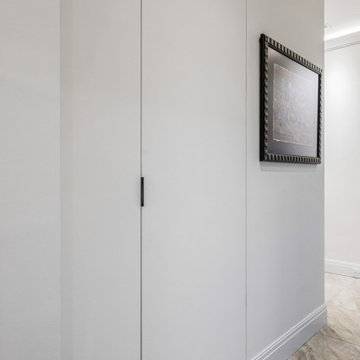
This project was the design and delivery of a flexible and fault-tolerant main equipment closet (MEC) housing an enterprise-class infrastructure that services a 20,000 square foot home, a vibrant business, and a world-class home theater. In Boca Theater and Automation’s experience, the three cornerstones of any successful project in South Florida involve clean power, proper management of heat, and ANSI/TIA certified copper and fiber terminations; enterprise-class systems add in redundancy where it matters.
To achieve this level of performance, the MEC and all endpoints are powered by a RoseWater HUB20 system backed up by a large-scale generator. The MEC is cooled using a dedicated air conditioner with four backup 300CFM exhaust fans triggered by temperature sensors. Both systems send alerts monitoring key parameters such as heat, moisture, incoming power, battery health, and more. Every rack-mounted device can be individually rebooted using the custom-designed touch panel interface, or from sixty-four labeled buttons on the user side of the rack.
BTA designed patch bays provide professional landing points for 11.7 miles of low voltage copper and fiber runs servicing the entire campus, and each termination was tested using a Fluke DSX8000 system following extended ANSI/TIA guidelines for 10GB permalink installations.
 Boca Tech and Automation
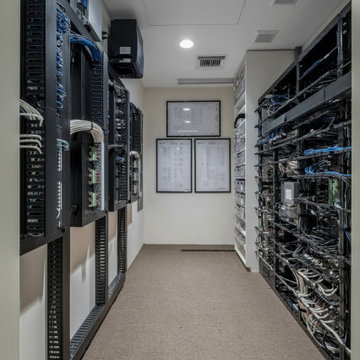
This project was the design and delivery of a flexible and fault-tolerant main equipment closet (MEC) housing an enterprise-class infrastructure that services a 20,000 square foot home, a vibrant business, and a world-class home theater. In Boca Theater and Automation’s experience, the three cornerstones of any successful project in South Florida involve clean power, proper management of heat, and ANSI/TIA certified copper and fiber terminations; enterprise-class systems add in redundancy where it matters.
To achieve this level of performance, the MEC and all endpoints are powered by a RoseWater HUB20 system backed up by a large-scale generator. The MEC is cooled using a dedicated air conditioner with four backup 300CFM exhaust fans triggered by temperature sensors. Both systems send alerts monitoring key parameters such as heat, moisture, incoming power, battery health, and more. Every rack-mounted device can be individually rebooted using the custom-designed touch panel interface, or from sixty-four labeled buttons on the user side of the rack.
BTA designed patch bays provide professional landing points for 11.7 miles of low voltage copper and fiber runs servicing the entire campus, and each termination was tested using a Fluke DSX8000 system following extended ANSI/TIA guidelines for 10GB permalink installations.
 Custom Gardens, LLC
This is a lovely old home that experienced major renovations last year. We
were very fortunate to be requested by the owners to update their
landscaping upon completion of the renovations. The project relied heavily
on collaboration with the owners who made the key decisions in choosing the
plants that I suggested and deciding upon concepts. We decided to re-create
the formal garden by using informal plants. We also decided that the flower
color should be white throughout the formal garden. We spent time deciding
upon color preferences, plants they like (such as lilac), and the "look" of
the plants. We wanted them to fit the architecture of the house. The goal
was to come up with interesting and unusual plants that provided lots of
year round color and did not require lots of maintenance. The landscape
will require periodic maintenance to monitor the plants and keep everything
looking good. We used lots of Native plants where appropriate and re-used
many of the plants on site. For example, we removed the cranesbill geranium
from the old formal garden but discarded the dead and dying boxwood. We
used the cranesbill geranium in beds against the back of the house. The
plants will form a low carpet that flowers and reduces weed growth. We moved
a very large pink flowering crape myrtle that was blocking the view to a
corner of the house where it brackets the corner with another large pink
crape myrtle on the other side of the corner.
 Boca Tech and Automation
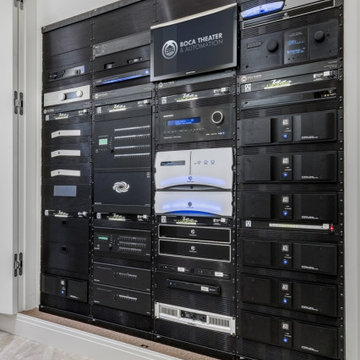
This project was the design and delivery of a flexible and fault-tolerant main equipment closet (MEC) housing an enterprise-class infrastructure that services a 20,000 square foot home, a vibrant business, and a world-class home theater. In Boca Theater and Automation’s experience, the three cornerstones of any successful project in South Florida involve clean power, proper management of heat, and ANSI/TIA certified copper and fiber terminations; enterprise-class systems add in redundancy where it matters.
To achieve this level of performance, the MEC and all endpoints are powered by a RoseWater HUB20 system backed up by a large-scale generator. The MEC is cooled using a dedicated air conditioner with four backup 300CFM exhaust fans triggered by temperature sensors. Both systems send alerts monitoring key parameters such as heat, moisture, incoming power, battery health, and more. Every rack-mounted device can be individually rebooted using the custom-designed touch panel interface, or from sixty-four labeled buttons on the user side of the rack.
BTA designed patch bays provide professional landing points for 11.7 miles of low voltage copper and fiber runs servicing the entire campus, and each termination was tested using a Fluke DSX8000 system following extended ANSI/TIA guidelines for 10GB permalink installations.
 Boca Tech and Automation
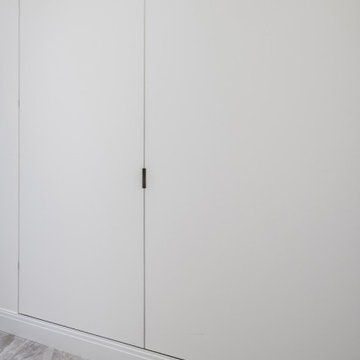
This project was the design and delivery of a flexible and fault-tolerant main equipment closet (MEC) housing an enterprise-class infrastructure that services a 20,000 square foot home, a vibrant business, and a world-class home theater. In Boca Theater and Automation’s experience, the three cornerstones of any successful project in South Florida involve clean power, proper management of heat, and ANSI/TIA certified copper and fiber terminations; enterprise-class systems add in redundancy where it matters.
To achieve this level of performance, the MEC and all endpoints are powered by a RoseWater HUB20 system backed up by a large-scale generator. The MEC is cooled using a dedicated air conditioner with four backup 300CFM exhaust fans triggered by temperature sensors. Both systems send alerts monitoring key parameters such as heat, moisture, incoming power, battery health, and more. Every rack-mounted device can be individually rebooted using the custom-designed touch panel interface, or from sixty-four labeled buttons on the user side of the rack.
BTA designed patch bays provide professional landing points for 11.7 miles of low voltage copper and fiber runs servicing the entire campus, and each termination was tested using a Fluke DSX8000 system following extended ANSI/TIA guidelines for 10GB permalink installations.
 Custom Gardens, LLC
This is a lovely old home that experienced major renovations last year. We
were very fortunate to be requested by the owners to update their
landscaping upon completion of the renovations. The project relied heavily
on collaboration with the owners who made the key decisions in choosing the
plants that I suggested and deciding upon concepts. We decided to re-create
the formal garden by using informal plants. We also decided that the flower
color should be white throughout the formal garden. We spent time deciding
upon color preferences, plants they like (such as lilac), and the "look" of
the plants. We wanted them to fit the architecture of the house. The goal
was to come up with interesting and unusual plants that provided lots of
year round color and did not require lots of maintenance. The landscape
will require periodic maintenance to monitor the plants and keep everything
looking good. We used lots of Native plants where appropriate and re-used
many of the plants on site. For example, we removed the cranesbill geranium
from the old formal garden but discarded the dead and dying boxwood. We
used the cranesbill geranium in beds against the back of the house. The
plants will form a low carpet that flowers and reduces weed growth. We moved
a very large pink flowering crape myrtle that was blocking the view to a
corner of the house where it brackets the corner with another large pink
crape myrtle on the other side of the corner.
5