
Search results for "Nutrient" in Home Design Ideas
 Pine Valley Turf Management
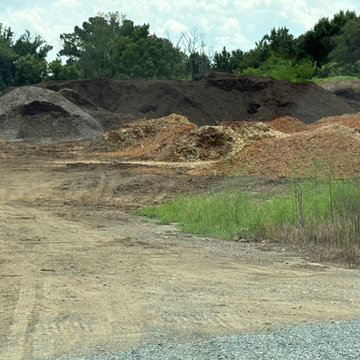
At Pine Valley Turf Management, our facility is built around self-sufficiency and strict quality control, starting right at our material production yard. We process organic matter and raw timber on-site to produce our own custom soil blends, double-shredded hardwood mulch, and high-nutrient topsoil. By managing our stockpiles directly, we ensure every batch of soil and mulch used on our clients' properties meets our exact standards for composition, moisture retention, and purity.
This hands-on infrastructure powers both our turf management programs and our specialized arbor division. Having a dedicated production facility allows us to process tree care debris directly into usable landscape materials, recycling natural resources while keeping project costs lower for our customers. From site preparation and soil enrichment to final topdressing, our capability to blend and deliver top-tier organic materials in-house guarantees superior, lasting results for every job site.
 Outdoor Dreams
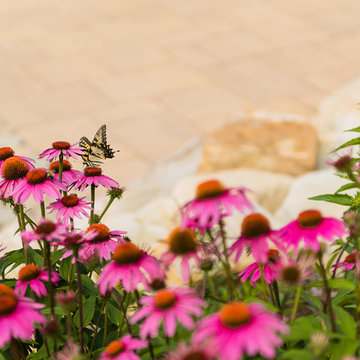
Design ideas for a large rustic drought-tolerant and full sun backyard landscaping in Richmond.
 Reflections Water Gardens
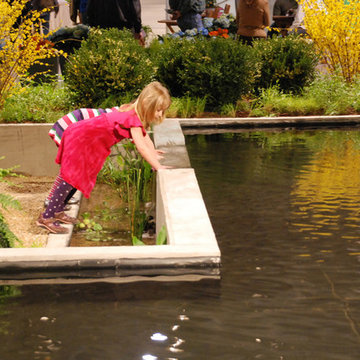
Creating environments that encourage our families to spend more time outdoors is important in today’s hi-tech world. Designed for the 2014 Chicago Flower and Garden show, this display garden captures a playful sensibility well-suited for any family to enjoy. The clean, modern lines and carefully planned spaces of this 50’ by 50’ garden form an enticing setting to simply unplug. Working within a very limited area, the design organizes a bio pool with sundeck, a spillover water feature and lounge area, and a gravel dining terrace with a built-in fireplace and shade tree canopy.
Unlike traditional pools, our bio pool utilizes aquatic plants, beneficial bacteria, and microbes, rather than harsh chemicals, to filter the water. Impurities and excess nutrients are drawn out of the water naturally, creating a much healthier swimming environment. A native plant palette is incorporated throughout the garden with shade trees, ornamentals, native forbs, and perennials in an emergent spring landscape. We hope this exciting design will encourage green inspiration for visitors, whether they have a tight city lot or a larger suburban property.
Find the right local pro for your project

 User
UserPermaculture Orchard, Natick MA 3-1/2 months old. Complete regenerating ecosystem of food production. Also known as a "food forest" meaning in the example of mother nature there is no tilling, weeding is minimal to none as plantings are intentionally condensed to provide nutrients and weed control to each other. Since the industrial revolution monoculture taught us to grow one massive crop for profit. Mother nature rules as there is minimal maintenance after 5-6 years of establishing the succession plantings. Things take time but with a good investment of your time and effort upfront will give you returns for the lifetime of the site as all perennial fruit,vegetable, and medicinal plants that require no fertilizers or pesticides.
 Miller-Roodell Architects Ltd
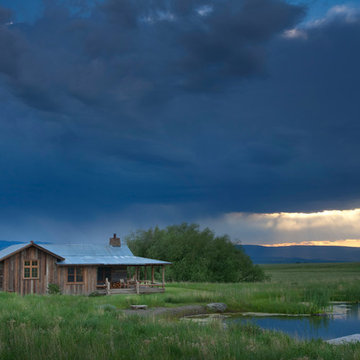
Set in Montana's tranquil Shields River Valley, the Shilo Ranch Compound is a collection of structures that were specifically built on a relatively smaller scale, to maximize efficiency. The main house has two bedrooms, a living area, dining and kitchen, bath and adjacent greenhouse, while two guest homes within the compound can sleep a total of 12 friends and family. There's also a common gathering hall, for dinners, games, and time together. The overall feel here is of sophisticated simplicity, with plaster walls, concrete and wood floors, and weathered boards for exteriors. The placement of each building was considered closely when envisioning how people would move through the property, based on anticipated needs and interests. Sustainability and consumption was also taken into consideration, as evidenced by the photovoltaic panels on roof of the garage, and the capability to shut down any of the compound's buildings when not in use.
 FMA Interior Design, Inc.
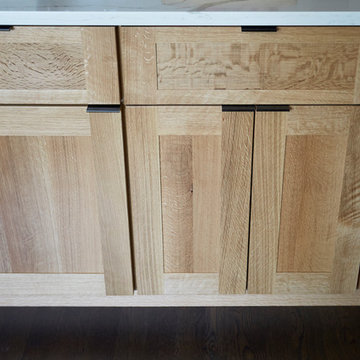
Medullary rays or ray flecks are hallmarks of Quarter Sawn Oak. We like to think of them as Quarter Sawn Oak’s beauty marks!
Technically, they are cells which transport sap to carry water & nutrients for the tree’s health. Another benefit of Quarter Sawn Oak is the fact that it is such a hard wood. It can really stand up to quite a bit of wear & tear!
This cut of wood is a smart choice for a stylish renovation.
Designer: Fred M Alsen | fma Interior Design | Chicago Custom cabinetry by Greenfield Cabinetry
Mike Kaskel Photos
 User
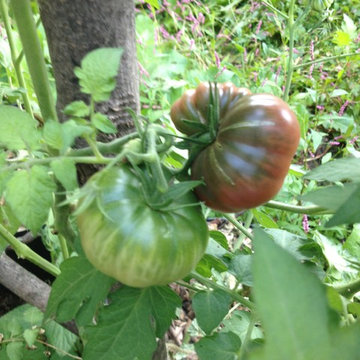
UserPermaculture Orchard, Natick MA 3-1/2 months old. Complete regenerating ecosystem of food production. Also known as a "food forest" meaning in the example of mother nature there is no tilling, weeding is minimal to none as plantings are intentionally condensed to provide nutrients and weed control to each other. Since the industrial revolution monoculture taught us to grow one massive crop for profit. Mother nature rules as there is minimal maintenance after 5-6 years of establishing the succession plantings. Things take time but with a good investment of your time and effort upfront will give you returns for the lifetime of the site as all perennial fruit,vegetable, and medicinal plants that require no fertilizers or pesticides.
 Reflections Water Gardens
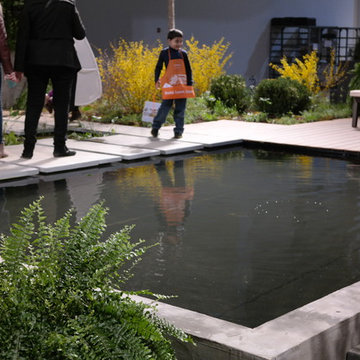
Creating environments that encourage our families to spend more time outdoors is important in today’s hi-tech world. Designed for the 2014 Chicago Flower and Garden show, this display garden captures a playful sensibility well-suited for any family to enjoy. The clean, modern lines and carefully planned spaces of this 50’ by 50’ garden form an enticing setting to simply unplug. Working within a very limited area, the design organizes a bio pool with sundeck, a spillover water feature and lounge area, and a gravel dining terrace with a built-in fireplace and shade tree canopy.
Unlike traditional pools, our bio pool utilizes aquatic plants, beneficial bacteria, and microbes, rather than harsh chemicals, to filter the water. Impurities and excess nutrients are drawn out of the water naturally, creating a much healthier swimming environment. A native plant palette is incorporated throughout the garden with shade trees, ornamentals, native forbs, and perennials in an emergent spring landscape. We hope this exciting design will encourage green inspiration for visitors, whether they have a tight city lot or a larger suburban property.
 User
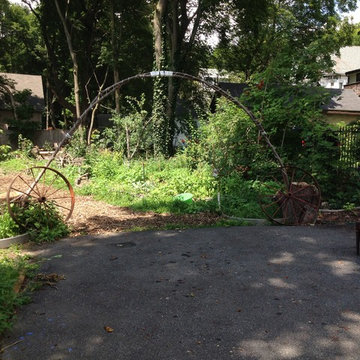
UserPermaculture Orchard, Natick MA 3-1/2 months old. Complete regenerating ecosystem of food production. Also known as a "food forest" meaning in the example of mother nature there is no tilling, weeding is minimal to none as plantings are intentionally condensed to provide nutrients and weed control to each other. Since the industrial revolution monoculture taught us to grow one massive crop for profit. Mother nature rules as there is minimal maintenance after 5-6 years of establishing the succession plantings. Things take time but with a good investment of your time and effort upfront will give you returns for the lifetime of the site as all perennial fruit,vegetable, and medicinal plants that require no fertilizers or pesticides.
 Reflections Water Gardens
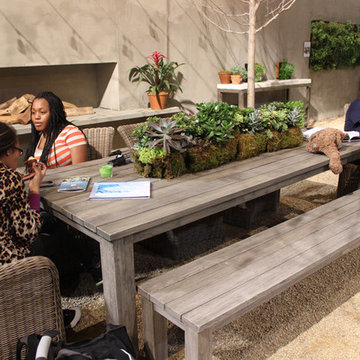
Creating environments that encourage our families to spend more time outdoors is important in today’s hi-tech world. Designed for the 2014 Chicago Flower and Garden show, this display garden captures a playful sensibility well-suited for any family to enjoy. The clean, modern lines and carefully planned spaces of this 50’ by 50’ garden form an enticing setting to simply unplug. Working within a very limited area, the design organizes a bio pool with sundeck, a spillover water feature and lounge area, and a gravel dining terrace with a built-in fireplace and shade tree canopy.
Unlike traditional pools, our bio pool utilizes aquatic plants, beneficial bacteria, and microbes, rather than harsh chemicals, to filter the water. Impurities and excess nutrients are drawn out of the water naturally, creating a much healthier swimming environment. A native plant palette is incorporated throughout the garden with shade trees, ornamentals, native forbs, and perennials in an emergent spring landscape. We hope this exciting design will encourage green inspiration for visitors, whether they have a tight city lot or a larger suburban property.
 gardenaar
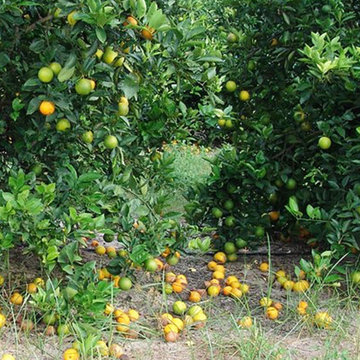
Does your orange tree drop its fruit before it reaches full size, or worse, does it drop flowers before the fruit starts to form?
Trees photosynthesize to produce carbohydrates like sugar which they store as a source of energy. They can maintain a limited amount, which is used to drive the growth of new leaves, branches, roots and stem. Fruitfulness requires the tree to divert its limited energy sources away from these vital functions to the production of flowers, blossoms and fruits.
Fruit development involves maturity followed by fertilization, growth, maturity and maturity. This process takes between 6-7 months in warmer climates, which requires a large number of tree energy sources as a result.
Trees are able to manage their resources, and will also divert them to emergencies ...
Fruit Drop and Crop Depression
In regions where oranges produce one crop per year, they go through a series of growth stages as follows:
Sprout formation and flower launching (mid-winter)
Flowers and fruit set (early spring)
Fruit growth - cell division (late spring to early summer)
Fruit growth - cell proliferation (mid-summer to early autumn)
Fruit ripening (autumn to late winter)
The difference is in the regions where most citrus crops are produced year-round. In these cases, the different stages of development will take place simultaneously.
The orange tree can handle its plant load well, and it will bear as much fruit as we can support. It is natural for all citrus trees to produce too little fruit and too little flowers in early spring to prevent overproduction. There is no need to worry too much about flowering, as an orange tree needs only 1% to 2% of flowers to produce a good crop, and sometimes even less than 1% is enough.
If a tree is depressed because it does not get enough water in hot, dry weather, and if it dies of nitrogen starvation because it is not given enough fertilizer, fruit set will be very difficult in the spring. There may also be a small number of fruit losses in the summer under stressful conditions.
Solution: Provide enough water, and water often in hot weather and strong winds. Orange feed with moderate fertilizer in early spring (September in Southern hemisphere, March in the Northern Hemisphere)
Fruit Drop and Lack of Potassium Nutrient
When orange trees are heavy, the decline in fruit can be exacerbated by low potassium levels.
Potassium, also known as potash (represented by the chemical mark K on fertilizer labels meaning N-P-K or nitrogen-phosphorus-potassium ratio) is a major macronutrient needed for flowering and fruit formation. Next to nitrogen, plants absorb more potassium than any other nutrient. Without potassium, the trees stop flowering and fruiting, which is what happens if they are not fed regularly.
Before any smug horticulturist declares to you that potassium has no direct effect on flowering and fruit set, let me say that as a horticulturist and biochemist, plant chemistry, like the chemistry of all living things is complex, but some input it is necessary to produce certain results. , and the references I have made to the end of this article support what I am saying!
Entering science, Potassium (K) is essential for water, nutrients and the movement of carbohydrates in plant tissues. It also activates enzymes that facilitate the synthesis of complex chemicals within the plant - such as starch, protein and adenosine triphosphate (ATP) production. The role of ATP is to transport the energy needed for all cellular metabolic activities to all living things, and in plants ATP production can regulate the level of photosynthesis.
Potassium also helps regulate the opening and closing of stomata, holes or cavities under which oxygen and carbon dioxide are exchanged with the atmosphere, and respiratory losses are controlled. It increases root growth which increases the absorption of nutrients and improves drought resistance, and increases resistance to frost, pests and diseases. High potassium levels produce similar maturity and fruit growth rate, as well as better nutritional quality, taste and range.
Agricultural extension agencies suggest that large amounts of potash are needed in many crops, and that potassium deficiency or macronutrient deficiency leads to reduced crop growth and reduced yields, and that potassium levels not only affect yield, but fruit size, juice. quality and shelf life.
Since potassium plays an important role in water regulation, deficiency can clearly increase the pressures associated with the declining fruit mentioned in the previous section.
Solution: Make sure that the orange trees are fertilized with the right fertilizer as previously discussed. Extra potassium can be brought in using seaweed extract (which is not a fertilizer but contains a good amount of potassium), wood ash (used in small quantities only as it is very alkaline), or potash sulphate (potassium sulphate) - all this is guaranteed. as acceptable in a natural garden.
Never use potassium chloride as it can be harmful to plants, it is a very inexpensive alternative to fertilizer manufacturers to save money!
Even if there are sufficient levels of potassium in the soil, it may not be accessible to plants, unless we make some improvements.
 Reflections Water Gardens
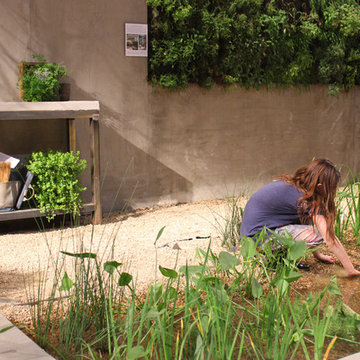
Creating environments that encourage our families to spend more time outdoors is important in today’s hi-tech world. Designed for the 2014 Chicago Flower and Garden show, this display garden captures a playful sensibility well-suited for any family to enjoy. The clean, modern lines and carefully planned spaces of this 50’ by 50’ garden form an enticing setting to simply unplug. Working within a very limited area, the design organizes a bio pool with sundeck, a spillover water feature and lounge area, and a gravel dining terrace with a built-in fireplace and shade tree canopy.
Unlike traditional pools, our bio pool utilizes aquatic plants, beneficial bacteria, and microbes, rather than harsh chemicals, to filter the water. Impurities and excess nutrients are drawn out of the water naturally, creating a much healthier swimming environment. A native plant palette is incorporated throughout the garden with shade trees, ornamentals, native forbs, and perennials in an emergent spring landscape. We hope this exciting design will encourage green inspiration for visitors, whether they have a tight city lot or a larger suburban property.
 Proven Winners
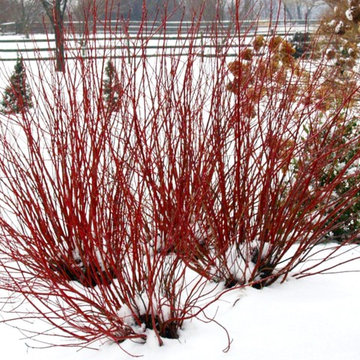
Dogwoods or Shruby Cornus are grown for their vivid winter stem colour.Planted around a pond in groups of five or more with the low winter sun casting a shadow across the water, the vibrant coloured straight upright stems shine bright like torches. There are many varieties to choose from with a variety of stem colour from green, orange, yellow to deep reds.' Winter Flame' is a wonderful variety as is 'Midwinter Flame' and they will both brighten the dullest of winter days and even look good in the snow.
 Lawn Envy
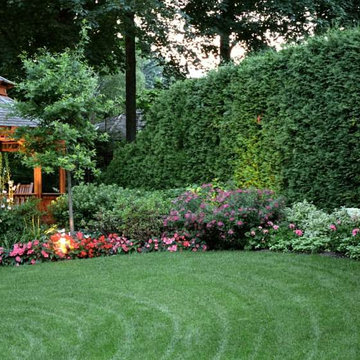
This is an example of a large traditional partial sun backyard formal garden in Atlanta with decking for summer.

 Universal Appliance and Kitchen Center
This versatile wall oven uses steam to preserve nutrients in vegetables and tenderness in meats, and convection for evenly-baked pastries and roasts. Use steam and convection together for food that’s tender inside and roasted or crisped outside.
Steam Plus Convection Mode
To keep meats tender and juicy inside and magnificently browned on the outside, this mode uses both steam and convection at once.
9 Cooking Modes
A versatile range of cooking modes that enable you to steam cook, bake, or prepare many types of foods without the guesswork.
4.8-Inch Glass-Touch Controls with LCD
Attractive, modern controls that guide you effortlessly through this versatile oven's options and menu choices, while also being easy to clean.
 Reflections Water Gardens
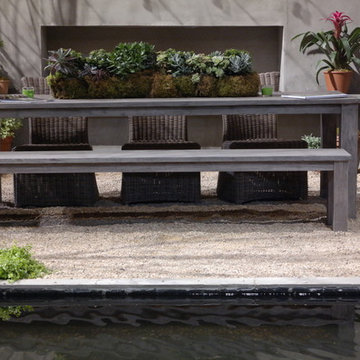
Creating environments that encourage our families to spend more time outdoors is important in today’s hi-tech world. Designed for the 2014 Chicago Flower and Garden show, this display garden captures a playful sensibility well-suited for any family to enjoy. The clean, modern lines and carefully planned spaces of this 50’ by 50’ garden form an enticing setting to simply unplug. Working within a very limited area, the design organizes a bio pool with sundeck, a spillover water feature and lounge area, and a gravel dining terrace with a built-in fireplace and shade tree canopy.
Unlike traditional pools, our bio pool utilizes aquatic plants, beneficial bacteria, and microbes, rather than harsh chemicals, to filter the water. Impurities and excess nutrients are drawn out of the water naturally, creating a much healthier swimming environment. A native plant palette is incorporated throughout the garden with shade trees, ornamentals, native forbs, and perennials in an emergent spring landscape. We hope this exciting design will encourage green inspiration for visitors, whether they have a tight city lot or a larger suburban property.
 Reflections Water Gardens
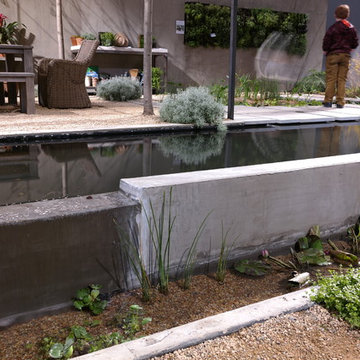
Creating environments that encourage our families to spend more time outdoors is important in today’s hi-tech world. Designed for the 2014 Chicago Flower and Garden show, this display garden captures a playful sensibility well-suited for any family to enjoy. The clean, modern lines and carefully planned spaces of this 50’ by 50’ garden form an enticing setting to simply unplug. Working within a very limited area, the design organizes a bio pool with sundeck, a spillover water feature and lounge area, and a gravel dining terrace with a built-in fireplace and shade tree canopy.
Unlike traditional pools, our bio pool utilizes aquatic plants, beneficial bacteria, and microbes, rather than harsh chemicals, to filter the water. Impurities and excess nutrients are drawn out of the water naturally, creating a much healthier swimming environment. A native plant palette is incorporated throughout the garden with shade trees, ornamentals, native forbs, and perennials in an emergent spring landscape. We hope this exciting design will encourage green inspiration for visitors, whether they have a tight city lot or a larger suburban property.
 Reflections Water Gardens
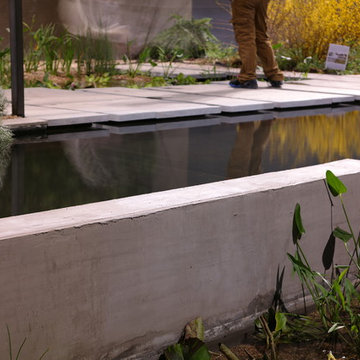
Creating environments that encourage our families to spend more time outdoors is important in today’s hi-tech world. Designed for the 2014 Chicago Flower and Garden show, this display garden captures a playful sensibility well-suited for any family to enjoy. The clean, modern lines and carefully planned spaces of this 50’ by 50’ garden form an enticing setting to simply unplug. Working within a very limited area, the design organizes a bio pool with sundeck, a spillover water feature and lounge area, and a gravel dining terrace with a built-in fireplace and shade tree canopy.
Unlike traditional pools, our bio pool utilizes aquatic plants, beneficial bacteria, and microbes, rather than harsh chemicals, to filter the water. Impurities and excess nutrients are drawn out of the water naturally, creating a much healthier swimming environment. A native plant palette is incorporated throughout the garden with shade trees, ornamentals, native forbs, and perennials in an emergent spring landscape. We hope this exciting design will encourage green inspiration for visitors, whether they have a tight city lot or a larger suburban property.
 Reflections Water Gardens
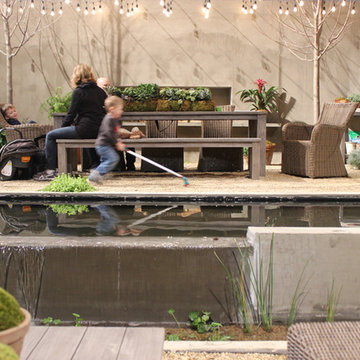
Creating environments that encourage our families to spend more time outdoors is important in today’s hi-tech world. Designed for the 2014 Chicago Flower and Garden show, this display garden captures a playful sensibility well-suited for any family to enjoy. The clean, modern lines and carefully planned spaces of this 50’ by 50’ garden form an enticing setting to simply unplug. Working within a very limited area, the design organizes a bio pool with sundeck, a spillover water feature and lounge area, and a gravel dining terrace with a built-in fireplace and shade tree canopy.
Unlike traditional pools, our bio pool utilizes aquatic plants, beneficial bacteria, and microbes, rather than harsh chemicals, to filter the water. Impurities and excess nutrients are drawn out of the water naturally, creating a much healthier swimming environment. A native plant palette is incorporated throughout the garden with shade trees, ornamentals, native forbs, and perennials in an emergent spring landscape. We hope this exciting design will encourage green inspiration for visitors, whether they have a tight city lot or a larger suburban property.
 Pine Valley Turf Management
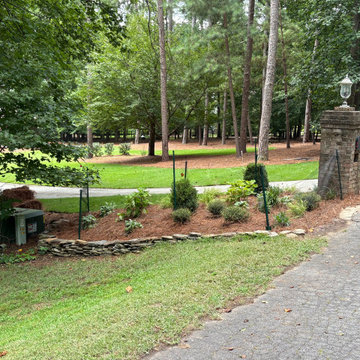
For this driveway entrance project, our team revitalized the front bed by rebuilding a low stacked-stone retaining wall and completely redesigning the surrounding landscape. We carefully prepped and graded the planting bed with fresh, nutrient-rich soil and a protective layer of pine straw mulch to promote healthy root growth. To complement the existing stone pillar and wooded backdrop, we selected and installed a curated mix of ornamental shrubs, perennials, and evergreens, creating a clean, welcoming accent for the home’s main approach.
To safeguard the investment against local wildlife, we customized the build by incorporating discreet deer netting suspended on durable green posts directly around the bed—a specific solution requested by the homeowner. This functional barrier protects young plants while they establish without detracting from the overall curb appeal. At Pine Valley Turf Management, we tailor every landscape design to our clients' unique challenges, offering creative, practical wildlife deterrent options alongside high-quality hardscape and plant installation.
9