
Search results for "Nutrient" in Home Design Ideas

 KL Designs Residential Landscape Planning LLC
Bark mulch in the plant beds helps reduce weeds, maximize water retention, adds nutrients to the soil as it breaks down over time and gives a finished look.
 Silicon Bay
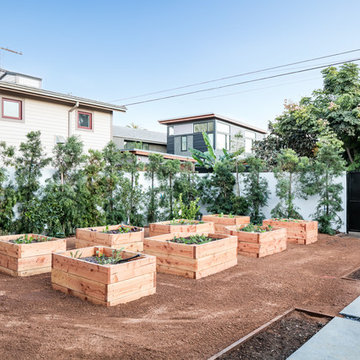
Raised garden beds are a great addition to any backyard. they allow you to grow a large garden without interfering ground pests and save back strain. They're ideal in area where backyard soils may be more sandy or nutrient deficient and increase water use efficiency.

 Sub-Zero, Wolf, and Cove
Beautifully designed kitchens aren’t found only in magazines or online. To start bringing yours to life, visit a Sub-Zero, Wolf, and Cove showroom.
Find the right local pro for your project

 Tom Mannion Landscape Design, Inc.
 The pond is lushly planted with native bog plants: Dulichium (water bamboo), Pontederia (pickerel rush), and Saururus (lizard's tail). Also, non-native floating plants like water hyacinth and water lettuce help keep the water clear of algae by using nutrients for their own growth.
Roger Foley Photography, All Rights Reserved
www.foleyfoto.com
 Living Green Design
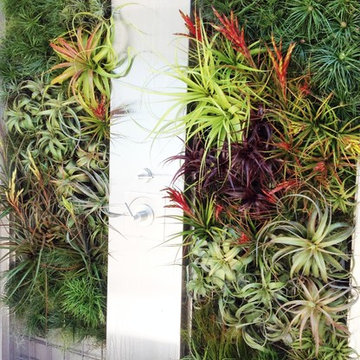
Vertical Tillandsia Garden incorporated into an outdoor shower. Designed and Installed by Brandon Pruett
Design ideas for a small industrial landscaping in San Francisco.
Design ideas for a small industrial landscaping in San Francisco.
 Abundant Design, LLC
The planting bed was seeded with cover crops including radish, wheat and clover to sustain the soil life until dwarf apples, cranberries and strawberries were available. Horseradish was planted in the background for a large leafy texture as well as to be used as a nutrient rich mulch when cut. Clover was included for nitrogen fixing, and a mix of flowers, including natives, to attract pollinators.
 The Todd Group
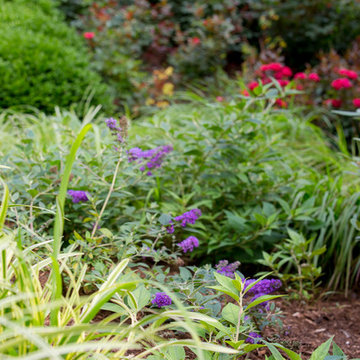
Custom engineered soils were brought in to ensure proper nutrients, vitamins and organic properties to support all the plantings on the property.
Design ideas for a large traditional backyard stone formal garden in New York for summer.
Design ideas for a large traditional backyard stone formal garden in New York for summer.
 User
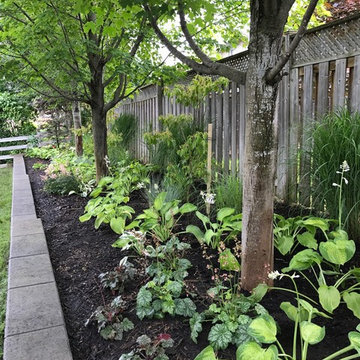
UserAll plants were removed. The existing soil was heavily amended with composted cattle manure and worm castings to add much needed nutrients and hold moisture closer to the surface. Rain water was redirected into the garden to provide natural irrigation and give the new plantings a chance to compete with the Maple Trees. Updated photos to come in 2018 as this garden fills in and blooms.
 Abundant Design, LLC
The planting bed was seeded with cover crops including radish, wheat and clover to sustain the soil life until dwarf apples, cranberries and strawberries were available. Horseradish was planted in the background for a large leafy texture as well as to be used as a nutrient rich mulch when cut. Clover was included for nitrogen fixing, and a mix of flowers, including natives, to attract pollinators.
 Garden Gallery LLC
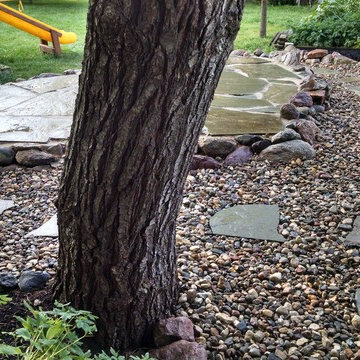
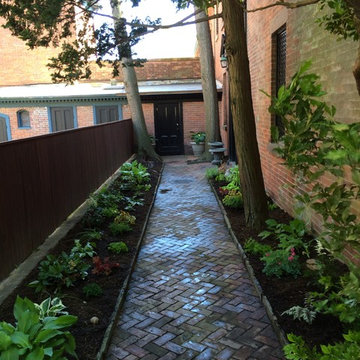
This space is dominated by large established trees and tree roots. With the proper soil preparation in place this garden will flourish along with thought given to its watering and nutrient needs throughout the seasons. Beth Ranahan


 John
JohnCoco coir is a versatile and sustainable growing medium that is gaining popularity among gardeners. Made from the fibrous husk of coconuts, it’s an eco-friendly alternative to peat moss and can greatly enhance the quality of your soil. In gardening, it is often utilized in systems like Coco Coir Hydroponic, where it helps create an efficient water and nutrient delivery system.
What is Coco Coir?
Coco coir is a natural fiber extracted from coconut husks. It has a neutral pH, excellent water retention, and is reusable, making it a favorite among gardeners who prefer organic and sustainable practices. It is available in different forms such as blocks, bricks, or loose coir, each requiring some preparation before use in gardening.
Benefits of Using Coco Coir in Gardening
Coco coir offers several advantages for gardening. Here are the benefits of using coco coir in gardening:
Holds up to 10 times its weight in water, ensuring plants have consistent moisture.
Promotes oxygen flow to plant roots, leading to healthier root systems.
Coco coir is a renewable and eco-friendly alternative to peat moss.
It can be washed, rehydrated, and reused, reducing waste.
Naturally pH neutral, making it suitable for various plants without major adjustments.
Enhances the texture and moisture retention of garden soil.
How to Prepare Coco Coir for Planting
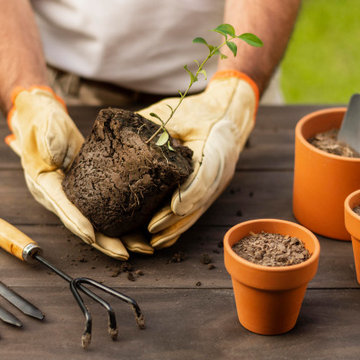
Preparing coco coir for planting involves a few essential steps. First, you need to hydrate the coir block, as it typically comes in a compressed form. Place the block in a large container and add warm water, allowing the block to expand and absorb the water. Once fully expanded, the coir should be fluffed up by breaking it apart with your hands or a tool to ensure it becomes loose and airy. After the coir has been fluffed, it is important to drain any excess water, as overly wet coir can lead to root suffocation. Finally, since coco coir is inert and does not contain nutrients, it’s a good idea to add organic compost or liquid fertilizer to enrich the coir before planting.
Do You Need to Soak Coco Coir Before Planting?
Yes, soaking coco coir before planting is necessary. Since it comes in a compressed form, it needs to be broken down and hydrated for proper use. The soaking process allows the coir to expand and release the fibers, making it usable as a growing medium. After soaking, the coir should be fluffed to ensure the water is evenly distributed. Draining any excess water is crucial because overly wet coir may impede plant root health.
How to Prepare Coco Peat for Planting
Coco peat, a fine, powdery form of coco coir, is highly beneficial for seed starting and improving water retention in soil. To prepare coco peat, it first needs to be hydrated, similar to how you prepare coir blocks. Slowly add water to the peat in a container and allow it to absorb and fluff up. Once hydrated, coco peat can be used on its own or mixed with other growing media such as perlite or vermiculite for added aeration and drainage. It is advisable to check the pH level of your final mix, as coco peat generally has a neutral pH, but adjustments may be necessary depending on the plants being grown.
Can You Use Just Coco Coir for Plants?
Yes, coco coir can be used by itself to grow plants, especially in hydroponic systems or as a seed-starting medium. However, because coco coir does not naturally contain nutrients, you will need to provide regular fertilizer to support plant growth. This makes it particularly suitable for plants grown in controlled environments, such as hydroponics, where nutrient solutions can be carefully managed. In traditional soil-based gardening, mixing coco coir with other organic materials like compost is recommended to provide essential nutrients and improve the overall soil structure.
How to Use Coco Coir in Hydroponics
Coco coir is widely used in hydroponic systems due to its water retention and aeration properties. To use coco coir in hydroponics, it first needs to be soaked and hydrated, as discussed earlier. Once the coir is fully prepared, it can be placed in the hydroponic system. Since coco coir does not contain natural nutrients, you will need to supply a balanced nutrient solution tailored for hydroponic plants. Regular monitoring of water and nutrient levels is essential to prevent nutrient imbalances or root rot. One of the benefits of coco coir in hydroponics is its reusability. After completing a growing cycle, the coir can be washed, rehydrated, and used again in future plantings.
Using Coco Coir as a Soil Amendment
Coco coir is also an excellent soil amendment, as it improves the texture and moisture retention of garden soil. To use coco coir in this way, mix loose coir with your existing garden soil at a ratio of one part coco coir to two parts soil. This will help retain moisture without compacting the soil, improving both water drainage and root growth. For optimal results, you can also add organic compost to the mix, ensuring that the nutrient levels are sufficient for plant growth. Coco coir works particularly well in raised beds, where it helps maintain proper soil structure over time.
Advantages of Using Coco Coir Over Peat Moss
While peat moss has been traditionally used as a growing medium, coco coir offers several advantages over it. Coco coir is a renewable resource, as it is a byproduct of coconut processing, while peat moss is harvested from peat bogs that take centuries to regenerate. Coco coir is also more durable, as it can be reused multiple times without breaking down, while peat moss disintegrates after a single use. Another key benefit is its neutral pH, whereas peat moss is more acidic and may require balancing to meet the needs of specific plants.
Conclusion
Coco coir is a highly versatile and sustainable growing medium that benefits both novice and experienced gardeners alike. Whether you are using it for hydroponics, as a soil amendment, or as a standalone medium for growing plants, knowing how to properly prepare and use it is key to maximizing its benefits. By following the steps detailed above, you can improve water retention, aeration, and overall plant health in your garden, all while contributing to eco-friendly gardening practices.



 User
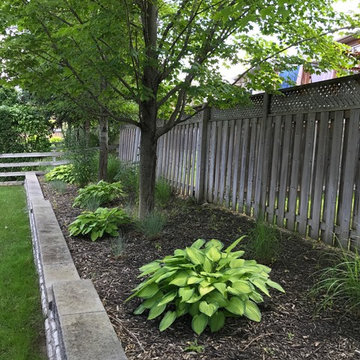
UserMaple Trees notoriously are greedy neighbours - they will use up almost all of the available water and nutrients in surrounding soil, leaving almost nothing for the surrounding plants. Here we see a Before picture of what the homeowners had hoped would be a luscious garden, but after a few years of growth the only plants that survived were a few hostas and some struggling grasses.



 Outdoor Creations Landscape & Design Inc.
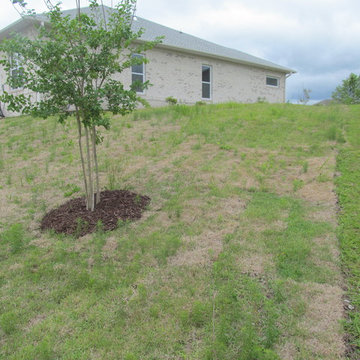
Initial consult: Dormant New Sod that was installed by the builder in 2016/Dead and damaged. Extremely overloaded with late cool season weeds and transitional warm season weed growth.
Extracted soil for soil testing to determine what we'd be working with structure wise and best management practices going forward for the client.
 Outdoor Creations Landscape & Design Inc.
Initial consult: Dormant New Sod that was installed by the builder in 2016/Dead and damaged. Extremely overloaded with late cool season weeds and transitional warm season weed growth.
Extracted soil for soil testing to determine what we'd be working with structure wise and best management practices going forward for the client.

 Giulietti Schouten Weber Architects
Inspiration for a contemporary white two-story wood landscaping in Portland with a mixed material roof.
 Outdoor Creations Landscape & Design Inc.
Initial consult: Dormant New Sod that was installed by the builder in 2016/Dead and damaged. Extremely overloaded with late cool season weeds and transitional warm season weed growth.
Extracted soil for soil testing to determine what we'd be working with structure wise and best management practices going forward for the client.
5