
Search results for "Nutrient" in Home Design Ideas
 Refugia Design/Build
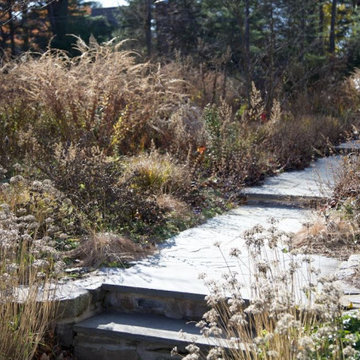
Entry way with perennial foundation plantings in late fall.
Design ideas for a large farmhouse landscaping in Philadelphia.
Design ideas for a large farmhouse landscaping in Philadelphia.
 Five Star Tree Care
A tree has many parts, all of which contribute to its overall health. Just like the human body, each part of the tree works together to ensure the tree’s survival. There are a few important elements that trees and other plants need to live; these include carbon dioxide, water, sunlight, and food. A tree that has been planted in a nourishing environment and that has quality soil for its roots will grow tall, strong, and healthy. Trees that are planted in an urban environment such as on someone’s personal property need regular maintenance to thrive.
The arborists here at Five Star Tree Services are happy to provide residential and commercial tree care services, including pruning and removal. We help trees stay healthy by getting rid of dead branches, trimming overgrown leaves to prevent them from infringing on power lines and much more. Aside from regular care, homeowners should pay particular attention to the roots of the tree, and here’s why.
Why Trees Have Roots
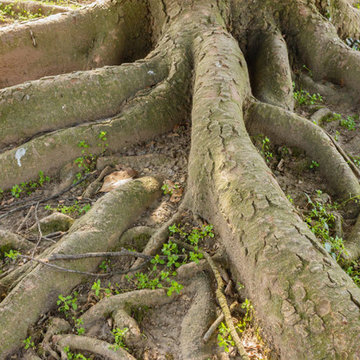
The roots are what hold the tree in place as well as used to absorb essential nutrients from the surrounding soil. Furthermore, water is also absorbed by the roots, which is critical for the tree’s survival. The majority of the roots of a tree are located between six inches and one foot underground. While they may be shallow going down, they extend very far horizontally, even surpassing the canopy of the tree. If a tree didn’t have roots, then it would not be able to stand or withstand harsh weather.
Allow The Roots to Breathe
The roots of your tree need to be protected, but they also need plenty of oxygen in order for your tree to thrive. Drying out the soil under your tree will allow oxygen to reach the area. Instead of watering your tree on a daily basis, choose a schedule that keeps the tree hydrated but allows the soil to rest. Packing the soil around the tree too tight will also limit the airflow which may suffocate surface roots.
Watering
Trees constantly require water regardless of their age. Trees need to be watered on a regular schedule, especially during dry seasons or drought. Ample watering will boost tree growth and maintain tree health.
Don’t Cut Them
Cutting the roots of a tree not only limits its ability to nourish itself, but it can also leave it open to attacks. Bacteria, insects, and viruses are more prone to strike a tree with a weak root system than one with a sturdy one. Cutting will also place stress on the tree which may stunt its growth for several years. Depending on the severity of the cut, severed roots may even cause the death of your tree.
Invest in Mulch
Mulch is a material placed around the bottom of a tree. It is fully organic and is intended to give the roots extra protection while also providing nutrients for your tree. Mulch should be placed around the base of a tree in the spring in order to promote new growth. An additional layer should be added in the winter to provide a buffer from the cold.
Tree Care by Five Star Tree Services
If you are worried about the health of your tree Five Star Tree Services is here to help. We offer Toronto Tree Care Services, storm damage, regular maintenance, affordable tree removal, pruning and planting services all over the metro area. If you are interested in boosting the aesthetic value of your property, or just maintaining your tree’s health, give us a call at (416) 990-3355 today.
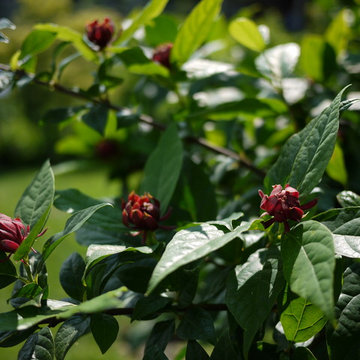
Carolina Allspice (Calycanthus floridus). Photo: Madeleine Ball, licensed under Creative Commons Attribution-ShareAlike 2.0 Generic
Photo of a large farmhouse landscaping for summer.
Photo of a large farmhouse landscaping for summer.
Find the right local pro for your project
 Integrity Tree Care & Grounds Maintenance
Facts About ButterfliesDifferent Types Of Butterflies And Butterfly Facts
Natural butterfly habitats have been destroyed or affected by construction of housing and shopping developments, as well as by the use of pesticides and other chemicals. You can provide a suitable butterfly habitat that will help fortify the butterfly population, and as an added bonus, the habitat will bring you enjoyment in watching beautiful butterflies in your yard.
The butterfly habitat should be relatively sunny (5-6 hours per day) and out of the wind. Butterflies can get their required nutrients and minerals from a mud puddle in a sunny area. A successful butterfly habitat will contain the plants favored by both caterpillars and butterflies. This means that you should include plants like Queen Anne’s Lace, violets, marigolds, and maybe even milkweed for the caterpillars to eat, since they are able to chew their food. In particular, monarch caterpillars eat milkweed because it makes them an unpleasant-tasting meal to predators. For the butterflies, which are able to suck and are unable to chew, you should include nectar plants with different colors of flowers, such as zinnias, lilacs, and the butterfly bush.
Butterfly habitats should last all summer, meaning that you should select plants that bloom at different times so that something is always blooming. You might be able to take inspiration in your planting selections from a butterfly garden or inside a butterfly house if you are lucky to live close enough to one of these carefully planned attractions. Often, landscapers and nursery employees will be able to advise you as to what possible additions to your butterfly habitat will grow well in your area.
Copyright © Facts About Butterflies | All Rights Reserved.
Content provided and copywritten by http://factsaboutbutterflies.net
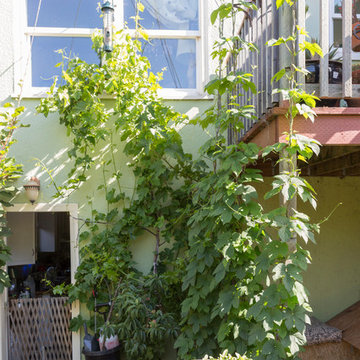
 SEN Creative
Photo: Lauren Edith Anderson © 2016 Houzz
Home design - traditional home design idea in San Francisco
Home design - traditional home design idea in San Francisco
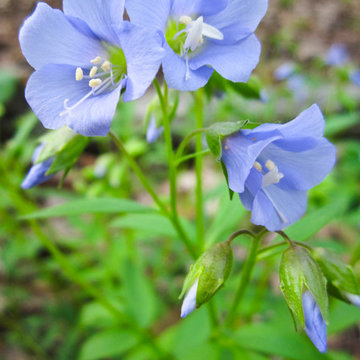

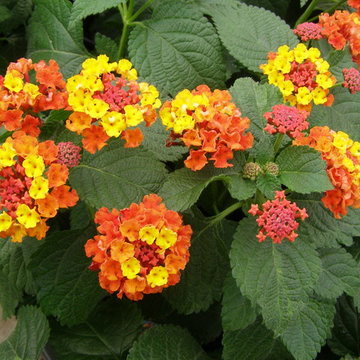 Integrity Tree Care & Grounds Maintenance
Facts About ButterfliesDifferent Types Of Butterflies And Butterfly Facts
Natural butterfly habitats have been destroyed or affected by construction of housing and shopping developments, as well as by the use of pesticides and other chemicals. You can provide a suitable butterfly habitat that will help fortify the butterfly population, and as an added bonus, the habitat will bring you enjoyment in watching beautiful butterflies in your yard.
The butterfly habitat should be relatively sunny (5-6 hours per day) and out of the wind. Butterflies can get their required nutrients and minerals from a mud puddle in a sunny area. A successful butterfly habitat will contain the plants favored by both caterpillars and butterflies. This means that you should include plants like Queen Anne’s Lace, violets, marigolds, and maybe even milkweed for the caterpillars to eat, since they are able to chew their food. In particular, monarch caterpillars eat milkweed because it makes them an unpleasant-tasting meal to predators. For the butterflies, which are able to suck and are unable to chew, you should include nectar plants with different colors of flowers, such as zinnias, lilacs, and the butterfly bush.
Butterfly habitats should last all summer, meaning that you should select plants that bloom at different times so that something is always blooming. You might be able to take inspiration in your planting selections from a butterfly garden or inside a butterfly house if you are lucky to live close enough to one of these carefully planned attractions. Often, landscapers and nursery employees will be able to advise you as to what possible additions to your butterfly habitat will grow well in your area.
Copyright © Facts About Butterflies | All Rights Reserved.
Content provided and copywritten by http://factsaboutbutterflies.net
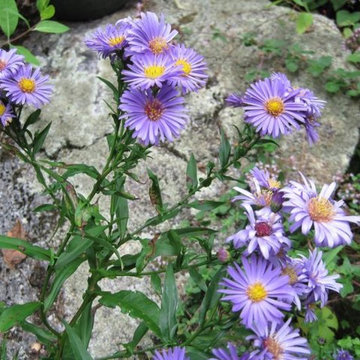 Integrity Tree Care & Grounds Maintenance
Facts About ButterfliesDifferent Types Of Butterflies And Butterfly Facts
Natural butterfly habitats have been destroyed or affected by construction of housing and shopping developments, as well as by the use of pesticides and other chemicals. You can provide a suitable butterfly habitat that will help fortify the butterfly population, and as an added bonus, the habitat will bring you enjoyment in watching beautiful butterflies in your yard.
The butterfly habitat should be relatively sunny (5-6 hours per day) and out of the wind. Butterflies can get their required nutrients and minerals from a mud puddle in a sunny area. A successful butterfly habitat will contain the plants favored by both caterpillars and butterflies. This means that you should include plants like Queen Anne’s Lace, violets, marigolds, and maybe even milkweed for the caterpillars to eat, since they are able to chew their food. In particular, monarch caterpillars eat milkweed because it makes them an unpleasant-tasting meal to predators. For the butterflies, which are able to suck and are unable to chew, you should include nectar plants with different colors of flowers, such as zinnias, lilacs, and the butterfly bush.
Butterfly habitats should last all summer, meaning that you should select plants that bloom at different times so that something is always blooming. You might be able to take inspiration in your planting selections from a butterfly garden or inside a butterfly house if you are lucky to live close enough to one of these carefully planned attractions. Often, landscapers and nursery employees will be able to advise you as to what possible additions to your butterfly habitat will grow well in your area.
Copyright © Facts About Butterflies | All Rights Reserved.
Content provided and copywritten by http://factsaboutbutterflies.net
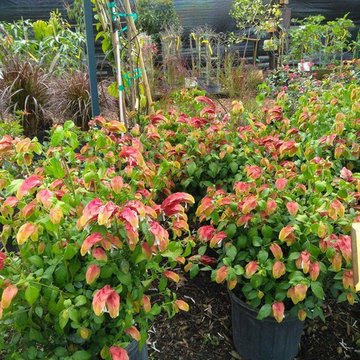 Integrity Tree Care & Grounds Maintenance
Facts About ButterfliesDifferent Types Of Butterflies And Butterfly Facts
Natural butterfly habitats have been destroyed or affected by construction of housing and shopping developments, as well as by the use of pesticides and other chemicals. You can provide a suitable butterfly habitat that will help fortify the butterfly population, and as an added bonus, the habitat will bring you enjoyment in watching beautiful butterflies in your yard.
The butterfly habitat should be relatively sunny (5-6 hours per day) and out of the wind. Butterflies can get their required nutrients and minerals from a mud puddle in a sunny area. A successful butterfly habitat will contain the plants favored by both caterpillars and butterflies. This means that you should include plants like Queen Anne’s Lace, violets, marigolds, and maybe even milkweed for the caterpillars to eat, since they are able to chew their food. In particular, monarch caterpillars eat milkweed because it makes them an unpleasant-tasting meal to predators. For the butterflies, which are able to suck and are unable to chew, you should include nectar plants with different colors of flowers, such as zinnias, lilacs, and the butterfly bush.
Butterfly habitats should last all summer, meaning that you should select plants that bloom at different times so that something is always blooming. You might be able to take inspiration in your planting selections from a butterfly garden or inside a butterfly house if you are lucky to live close enough to one of these carefully planned attractions. Often, landscapers and nursery employees will be able to advise you as to what possible additions to your butterfly habitat will grow well in your area.
Copyright © Facts About Butterflies | All Rights Reserved.
Content provided and copywritten by http://factsaboutbutterflies.net
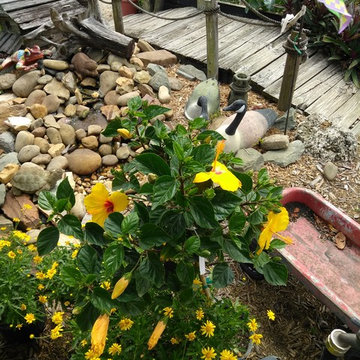 Integrity Tree Care & Grounds Maintenance
Facts About ButterfliesDifferent Types Of Butterflies And Butterfly Facts
Natural butterfly habitats have been destroyed or affected by construction of housing and shopping developments, as well as by the use of pesticides and other chemicals. You can provide a suitable butterfly habitat that will help fortify the butterfly population, and as an added bonus, the habitat will bring you enjoyment in watching beautiful butterflies in your yard.
The butterfly habitat should be relatively sunny (5-6 hours per day) and out of the wind. Butterflies can get their required nutrients and minerals from a mud puddle in a sunny area. A successful butterfly habitat will contain the plants favored by both caterpillars and butterflies. This means that you should include plants like Queen Anne’s Lace, violets, marigolds, and maybe even milkweed for the caterpillars to eat, since they are able to chew their food. In particular, monarch caterpillars eat milkweed because it makes them an unpleasant-tasting meal to predators. For the butterflies, which are able to suck and are unable to chew, you should include nectar plants with different colors of flowers, such as zinnias, lilacs, and the butterfly bush.
Butterfly habitats should last all summer, meaning that you should select plants that bloom at different times so that something is always blooming. You might be able to take inspiration in your planting selections from a butterfly garden or inside a butterfly house if you are lucky to live close enough to one of these carefully planned attractions. Often, landscapers and nursery employees will be able to advise you as to what possible additions to your butterfly habitat will grow well in your area.
Copyright © Facts About Butterflies | All Rights Reserved.
Content provided and copywritten by http://factsaboutbutterflies.net
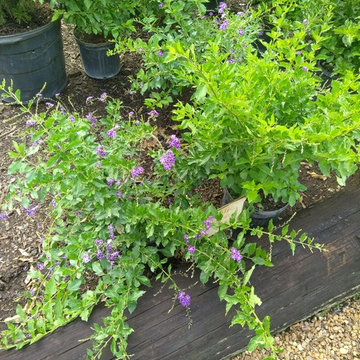 Integrity Tree Care & Grounds Maintenance
Facts About ButterfliesDifferent Types Of Butterflies And Butterfly Facts
Natural butterfly habitats have been destroyed or affected by construction of housing and shopping developments, as well as by the use of pesticides and other chemicals. You can provide a suitable butterfly habitat that will help fortify the butterfly population, and as an added bonus, the habitat will bring you enjoyment in watching beautiful butterflies in your yard.
The butterfly habitat should be relatively sunny (5-6 hours per day) and out of the wind. Butterflies can get their required nutrients and minerals from a mud puddle in a sunny area. A successful butterfly habitat will contain the plants favored by both caterpillars and butterflies. This means that you should include plants like Queen Anne’s Lace, violets, marigolds, and maybe even milkweed for the caterpillars to eat, since they are able to chew their food. In particular, monarch caterpillars eat milkweed because it makes them an unpleasant-tasting meal to predators. For the butterflies, which are able to suck and are unable to chew, you should include nectar plants with different colors of flowers, such as zinnias, lilacs, and the butterfly bush.
Butterfly habitats should last all summer, meaning that you should select plants that bloom at different times so that something is always blooming. You might be able to take inspiration in your planting selections from a butterfly garden or inside a butterfly house if you are lucky to live close enough to one of these carefully planned attractions. Often, landscapers and nursery employees will be able to advise you as to what possible additions to your butterfly habitat will grow well in your area.
Copyright © Facts About Butterflies | All Rights Reserved.
Content provided and copywritten by http://factsaboutbutterflies.net
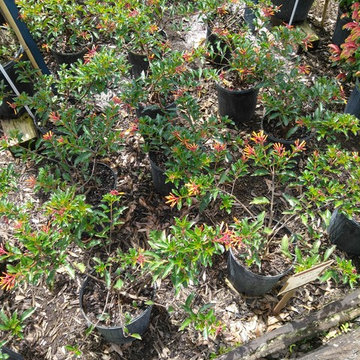 Integrity Tree Care & Grounds Maintenance
Facts About ButterfliesDifferent Types Of Butterflies And Butterfly Facts
Natural butterfly habitats have been destroyed or affected by construction of housing and shopping developments, as well as by the use of pesticides and other chemicals. You can provide a suitable butterfly habitat that will help fortify the butterfly population, and as an added bonus, the habitat will bring you enjoyment in watching beautiful butterflies in your yard.
The butterfly habitat should be relatively sunny (5-6 hours per day) and out of the wind. Butterflies can get their required nutrients and minerals from a mud puddle in a sunny area. A successful butterfly habitat will contain the plants favored by both caterpillars and butterflies. This means that you should include plants like Queen Anne’s Lace, violets, marigolds, and maybe even milkweed for the caterpillars to eat, since they are able to chew their food. In particular, monarch caterpillars eat milkweed because it makes them an unpleasant-tasting meal to predators. For the butterflies, which are able to suck and are unable to chew, you should include nectar plants with different colors of flowers, such as zinnias, lilacs, and the butterfly bush.
Butterfly habitats should last all summer, meaning that you should select plants that bloom at different times so that something is always blooming. You might be able to take inspiration in your planting selections from a butterfly garden or inside a butterfly house if you are lucky to live close enough to one of these carefully planned attractions. Often, landscapers and nursery employees will be able to advise you as to what possible additions to your butterfly habitat will grow well in your area.
Copyright © Facts About Butterflies | All Rights Reserved.
Content provided and copywritten by http://factsaboutbutterflies.net
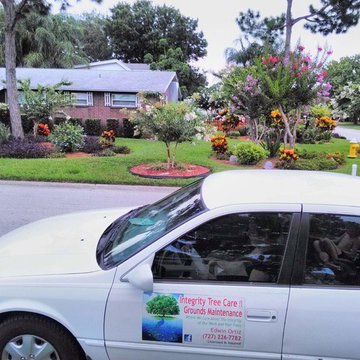 Integrity Tree Care & Grounds Maintenance
Facts About ButterfliesDifferent Types Of Butterflies And Butterfly Facts
Natural butterfly habitats have been destroyed or affected by construction of housing and shopping developments, as well as by the use of pesticides and other chemicals. You can provide a suitable butterfly habitat that will help fortify the butterfly population, and as an added bonus, the habitat will bring you enjoyment in watching beautiful butterflies in your yard.
The butterfly habitat should be relatively sunny (5-6 hours per day) and out of the wind. Butterflies can get their required nutrients and minerals from a mud puddle in a sunny area. A successful butterfly habitat will contain the plants favored by both caterpillars and butterflies. This means that you should include plants like Queen Anne’s Lace, violets, marigolds, and maybe even milkweed for the caterpillars to eat, since they are able to chew their food. In particular, monarch caterpillars eat milkweed because it makes them an unpleasant-tasting meal to predators. For the butterflies, which are able to suck and are unable to chew, you should include nectar plants with different colors of flowers, such as zinnias, lilacs, and the butterfly bush.
Butterfly habitats should last all summer, meaning that you should select plants that bloom at different times so that something is always blooming. You might be able to take inspiration in your planting selections from a butterfly garden or inside a butterfly house if you are lucky to live close enough to one of these carefully planned attractions. Often, landscapers and nursery employees will be able to advise you as to what possible additions to your butterfly habitat will grow well in your area.
Copyright © Facts About Butterflies | All Rights Reserved.
Content provided and copywritten by http://factsaboutbutterflies.net

 MEC
MECORANGE TULIPS - Eye-catching floral glass mural with darker background. Isn't it just a flawless wall decoration! | Have a custom mosaic idea? We can help, with our brilliant Italian-trained mosaicists and easy-to-install tiled masterpieces. Worldwide shipping available on the complete range of quality handcrafted marble & glass mosaic products. For inquires and more info, contact us: http://mecartworks.com
 Integrity Tree Care & Grounds Maintenance
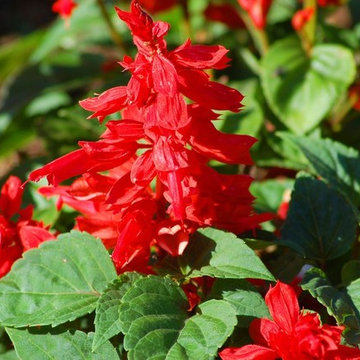
Facts About ButterfliesDifferent Types Of Butterflies And Butterfly Facts
Natural butterfly habitats have been destroyed or affected by construction of housing and shopping developments, as well as by the use of pesticides and other chemicals. You can provide a suitable butterfly habitat that will help fortify the butterfly population, and as an added bonus, the habitat will bring you enjoyment in watching beautiful butterflies in your yard.
The butterfly habitat should be relatively sunny (5-6 hours per day) and out of the wind. Butterflies can get their required nutrients and minerals from a mud puddle in a sunny area. A successful butterfly habitat will contain the plants favored by both caterpillars and butterflies. This means that you should include plants like Queen Anne’s Lace, violets, marigolds, and maybe even milkweed for the caterpillars to eat, since they are able to chew their food. In particular, monarch caterpillars eat milkweed because it makes them an unpleasant-tasting meal to predators. For the butterflies, which are able to suck and are unable to chew, you should include nectar plants with different colors of flowers, such as zinnias, lilacs, and the butterfly bush.
Butterfly habitats should last all summer, meaning that you should select plants that bloom at different times so that something is always blooming. You might be able to take inspiration in your planting selections from a butterfly garden or inside a butterfly house if you are lucky to live close enough to one of these carefully planned attractions. Often, landscapers and nursery employees will be able to advise you as to what possible additions to your butterfly habitat will grow well in your area.
Copyright © Facts About Butterflies | All Rights Reserved.
Content provided and copywritten by http://factsaboutbutterflies.net
 Village Home Stores
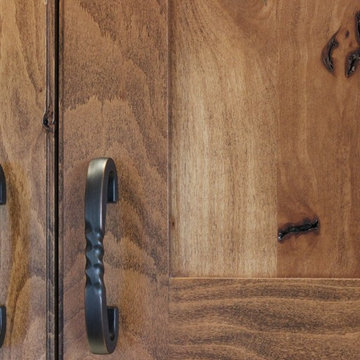
Full-overlay Rustic Beech cabinets in the "Charleston" door style and "Briarwood" finish.
Village Home Stores
Example of a large mountain style kitchen design in Chicago
Example of a large mountain style kitchen design in Chicago
 McCabe By Design LLC
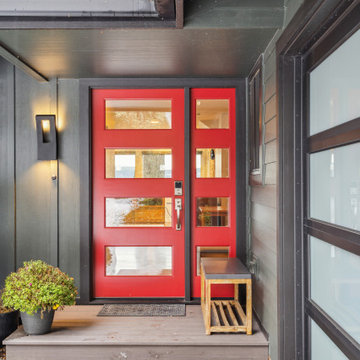
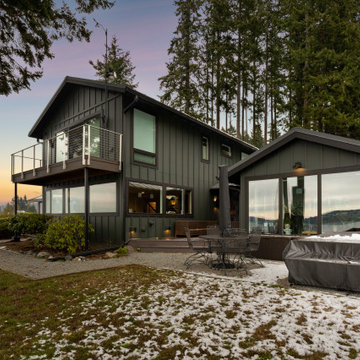
Our client purchased what had been a custom home built in 1973 on a high bank waterfront lot. They did their due diligence with respect to the septic system, well and the existing underground fuel tank but little did they know, they had purchased a house that would fit into the Three Little Pigs Story book.
The original idea was to do a thorough cosmetic remodel to bring the home up to date using all high durability/low maintenance materials and provide the homeowners with a flexible floor plan that would allow them to live in the home for as long as they chose to, not how long the home would allow them to stay safely. However, there was one structure element that had to change, the staircase.
The staircase blocked the beautiful water/mountain few from the kitchen and part of the dining room. It also bisected the second-floor master suite creating a maze of small dysfunctional rooms with a very narrow (and unsafe) top stair landing. In the process of redesigning the stairs and reviewing replacement options for the 1972 custom milled one inch thick cupped and cracked cedar siding, it was discovered that the house had no seismic support and that the dining/family room/hot tub room and been a poorly constructed addition and required significant structural reinforcement. It should be noted that it is not uncommon for this home to be subjected to 60-100 mile an hour winds and that the geographic area is in a known earthquake zone.
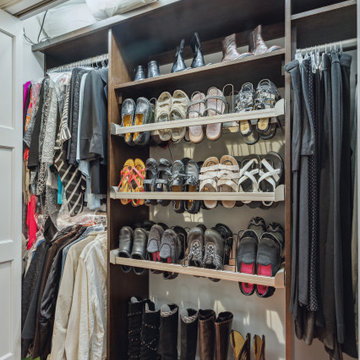
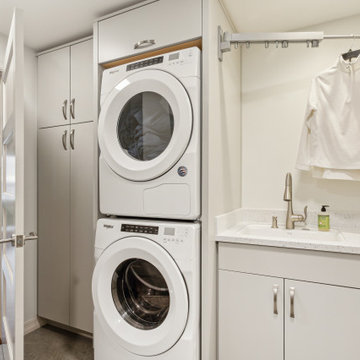
Once the structural engineering was complete, the redesign of the home became an open pallet. The homeowners top requests included: no additional square footage, accessibility, high durability/low maintenance materials, high performance mechanicals and appliances, water and energy efficient fixtures and equipment and improved lighting incorporated into: two master suites (one upstairs and one downstairs), a healthy kitchen (appliances that preserve fresh food nutrients and materials that minimize bacterial growth), accessible bathing and toileting, functionally designed closets and storage, a multi-purpose laundry room, an exercise room, a functionally designed home office, a catio (second floor balcony on the front of the home), with an exterior that was not just code compliant but beautiful and easy to maintain.
All of this was achieved and more. The finished project speaks for itself.
 McCabe By Design LLC
Our client purchased what had been a custom home built in 1973 on a high bank waterfront lot. They did their due diligence with respect to the septic system, well and the existing underground fuel tank but little did they know, they had purchased a house that would fit into the Three Little Pigs Story book.
The original idea was to do a thorough cosmetic remodel to bring the home up to date using all high durability/low maintenance materials and provide the homeowners with a flexible floor plan that would allow them to live in the home for as long as they chose to, not how long the home would allow them to stay safely. However, there was one structure element that had to change, the staircase.
The staircase blocked the beautiful water/mountain few from the kitchen and part of the dining room. It also bisected the second-floor master suite creating a maze of small dysfunctional rooms with a very narrow (and unsafe) top stair landing. In the process of redesigning the stairs and reviewing replacement options for the 1972 custom milled one inch thick cupped and cracked cedar siding, it was discovered that the house had no seismic support and that the dining/family room/hot tub room and been a poorly constructed addition and required significant structural reinforcement. It should be noted that it is not uncommon for this home to be subjected to 60-100 mile an hour winds and that the geographic area is in a known earthquake zone.
Once the structural engineering was complete, the redesign of the home became an open pallet. The homeowners top requests included: no additional square footage, accessibility, high durability/low maintenance materials, high performance mechanicals and appliances, water and energy efficient fixtures and equipment and improved lighting incorporated into: two master suites (one upstairs and one downstairs), a healthy kitchen (appliances that preserve fresh food nutrients and materials that minimize bacterial growth), accessible bathing and toileting, functionally designed closets and storage, a multi-purpose laundry room, an exercise room, a functionally designed home office, a catio (second floor balcony on the front of the home), with an exterior that was not just code compliant but beautiful and easy to maintain.
All of this was achieved and more. The finished project speaks for itself.
 McCabe By Design LLC
Our client purchased what had been a custom home built in 1973 on a high bank waterfront lot. They did their due diligence with respect to the septic system, well and the existing underground fuel tank but little did they know, they had purchased a house that would fit into the Three Little Pigs Story book.
The original idea was to do a thorough cosmetic remodel to bring the home up to date using all high durability/low maintenance materials and provide the homeowners with a flexible floor plan that would allow them to live in the home for as long as they chose to, not how long the home would allow them to stay safely. However, there was one structure element that had to change, the staircase.
The staircase blocked the beautiful water/mountain few from the kitchen and part of the dining room. It also bisected the second-floor master suite creating a maze of small dysfunctional rooms with a very narrow (and unsafe) top stair landing. In the process of redesigning the stairs and reviewing replacement options for the 1972 custom milled one inch thick cupped and cracked cedar siding, it was discovered that the house had no seismic support and that the dining/family room/hot tub room and been a poorly constructed addition and required significant structural reinforcement. It should be noted that it is not uncommon for this home to be subjected to 60-100 mile an hour winds and that the geographic area is in a known earthquake zone.
Once the structural engineering was complete, the redesign of the home became an open pallet. The homeowners top requests included: no additional square footage, accessibility, high durability/low maintenance materials, high performance mechanicals and appliances, water and energy efficient fixtures and equipment and improved lighting incorporated into: two master suites (one upstairs and one downstairs), a healthy kitchen (appliances that preserve fresh food nutrients and materials that minimize bacterial growth), accessible bathing and toileting, functionally designed closets and storage, a multi-purpose laundry room, an exercise room, a functionally designed home office, a catio (second floor balcony on the front of the home), with an exterior that was not just code compliant but beautiful and easy to maintain.
All of this was achieved and more. The finished project speaks for itself.
 McCabe By Design LLC
Our client purchased what had been a custom home built in 1973 on a high bank waterfront lot. They did their due diligence with respect to the septic system, well and the existing underground fuel tank but little did they know, they had purchased a house that would fit into the Three Little Pigs Story book.
The original idea was to do a thorough cosmetic remodel to bring the home up to date using all high durability/low maintenance materials and provide the homeowners with a flexible floor plan that would allow them to live in the home for as long as they chose to, not how long the home would allow them to stay safely. However, there was one structure element that had to change, the staircase.
The staircase blocked the beautiful water/mountain few from the kitchen and part of the dining room. It also bisected the second-floor master suite creating a maze of small dysfunctional rooms with a very narrow (and unsafe) top stair landing. In the process of redesigning the stairs and reviewing replacement options for the 1972 custom milled one inch thick cupped and cracked cedar siding, it was discovered that the house had no seismic support and that the dining/family room/hot tub room and been a poorly constructed addition and required significant structural reinforcement. It should be noted that it is not uncommon for this home to be subjected to 60-100 mile an hour winds and that the geographic area is in a known earthquake zone.
Once the structural engineering was complete, the redesign of the home became an open pallet. The homeowners top requests included: no additional square footage, accessibility, high durability/low maintenance materials, high performance mechanicals and appliances, water and energy efficient fixtures and equipment and improved lighting incorporated into: two master suites (one upstairs and one downstairs), a healthy kitchen (appliances that preserve fresh food nutrients and materials that minimize bacterial growth), accessible bathing and toileting, functionally designed closets and storage, a multi-purpose laundry room, an exercise room, a functionally designed home office, a catio (second floor balcony on the front of the home), with an exterior that was not just code compliant but beautiful and easy to maintain.
All of this was achieved and more. The finished project speaks for itself.
12