
Search results for "Nutrients" in Home Design Ideas

 Architectural Resource LLC
Burh Becc at Beacon Springs is the Midwest’s first, and the world’s second fully certified Living Building Challenge residence - the world’s most rigorous proven performance standard for sustainability.
This home is a 3,400 finished sq ft walk-out ranch which has been designed to emulate nature: Net Zero energy getting all of its energy from the sun; Net Zero water getting all of its water from the sky; Net Zero waste creating only ecological nutrient from its existence; and constructed entirely of materials that are non-toxic, healthy and ecologically sound.

 Five Star Tree Care
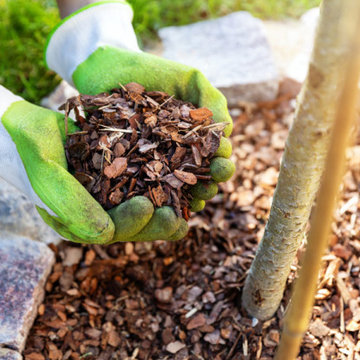
Adding woodchips underneath your trees has many benefits. Some of these benefits include:
-soil moisture retention
-nutrient leaching when decomposing over time
-smother weeds and invasive plants
But before you add any woodchips to your gardens and trees, it’s important to make sure you aerate the root zone. Doing so improves the oxygen supply and leaching to the roots. You will see more growth when there is more oxygen. Our team at Five Star Tree Services has come up with a guide on how you can use woodchips in your gardens.
Where To Place Woodchips
Even though there are many benefits for your trees, there is a right and wrong way to use them. If used incorrectly, you can actually end up hurting your tree instead of helping it. This can happen when there is an excessive amount piled up around a tree, its roots, and the trunk. Woodchips should never touch the trunk of a tree for extended periods of time. What happens is that moisture is retained in the chips and will eventually cause the tree to rot. The end result is death if not caught in time.
An indication of rot and decay is fruiting bodies or mushrooms. It is important to keep an eye out for these indicators by taking a good look at your trees. To avoid this situation, make sure to evenly and carefully spread out the chips around the root zone. Clear any chips away from the trunk by an inch or two.
When applied correctly; you will see your trees thrive and prosper. They will stay healthy and vivacious from the moisture retention and gradual organic leaching.
Soil Compaction
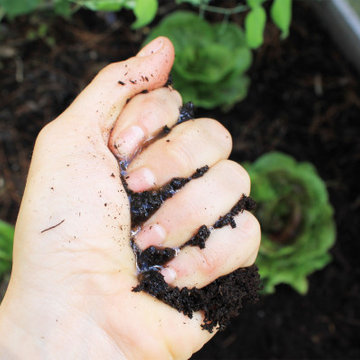
Soil compaction can dramatically affect your trees. This is often an overlooked issue for many landscapers. Due to things like foot traffic, large amounts of rain, construction, and the use of heavy machinery, are all factors that result in soil compaction. Things like water and nutrients can’t saturate through the soil when it becomes too compact. This results in soil that is without minerals and dry. When this happens, tree roots struggle to push through the soil, resulting in stressed trees.
Preventing Soil Compaction
If a tree is left in compacted soil, it will eventually die. One way to avoid this if you are having any construction done in your yard is to set up a Tree Protection Zone, or TPZ. Fences are used to create a barrier where heavy equipment and machinery can’t go in. When heavy machinery is used, this creates extremely compact soil and has been known to crush roots.
How Five Star Tree Services Can Help
Using woodchips is a great way to help your gardens thrive. But it is vitally important to use it properly, otherwise you will end up hurting your trees, instead of helping them. If you require any Richmond Hill Tree Care Services, don’t hesitate to give us at Five Star Tree Services a call at (416) 990-3355!
Find the right local pro for your project

 Southern Living Plant Collection
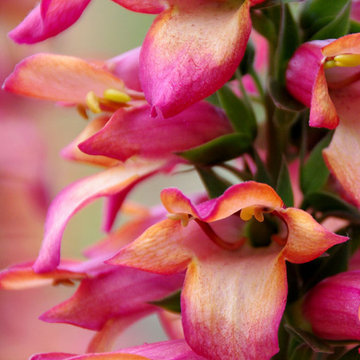
This Digiplexis sports bright, pinkish to reddish-orange, tubular flowers with yellow throats, packed densely on three foot stems. Multiple side branches and sterile blossoms mean a very long bloom time.
FEATURES
Bloom/Feature Wonderfully long bloom time
Plant Type Perennials
Evergreen or Deciduous Evergreen
USDA Zones 8,9,10,11
Zone Detail Hardy to 10°F USDA zones 8-11
Key Features Bright, reddish-orange, blooms with yellow throats
Use Ideal for beds, borders and patio pots; great cut flower
Exposure Full sun to part shade
Bloom Season Spring to fall
Dimension 3' H x spreading (18" W)
Growth Rate Fast
CARE
Water Keep dry until established; avoid overhead irrigation (damages blooms)
Soil Type Well-drained, moist garden soil
Fertilizer Constantly use a liquid fertilizer with micro nutrients until established
Pruning Prune dead and dying growth after bloom season
PLANTING INSTRUCTIONS
water before planting
plant in full sun to part shade
dig hole 2X the width of pot,
backfill and plant 1”-2” above soil level
water and add more soil if needed
mulch plants; fertilize in early spring


 Ian Moore Design
Ian Moore
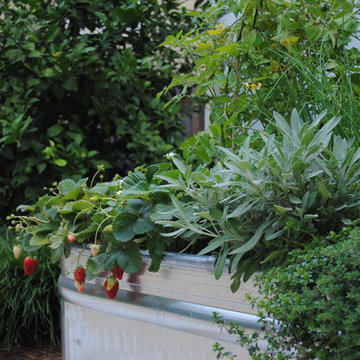
Design ideas for a large contemporary drought-tolerant backyard gravel retaining wall landscape in San Francisco.
Design ideas for a large contemporary drought-tolerant backyard gravel retaining wall landscape in San Francisco.


 Ky-Kan Coatings
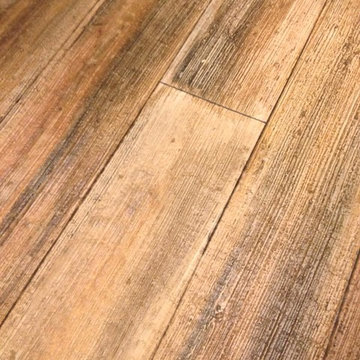
Concrete can be made to look like any substance. Tile, stone, wood, brick, etc. With unlimited color options, Ky-Kan Coatings can transform any room in your home or business using lightweight, beautiful concrete.


 McCullough's Landscape & Nursery
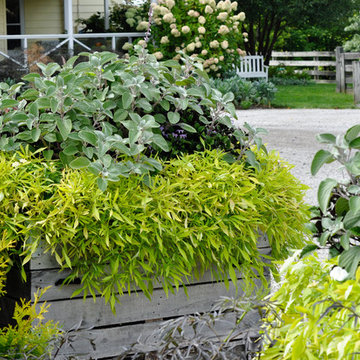
Apple crate planters placed around Jorgensen Farms, a premier organic farm and wedding venue in Plain Township, OH. The planters are filled with a variety of annuals and perennials highlighted by
Ipomea ‘Illusion Emerald Lace’, Plectranthus 'Silver Shield', Plectranthus 'Mona Lavender' Digiplexis 'Illumination Apricot', Supertunia 'White Russian'
Nick McCullough
 Treeland Nursery
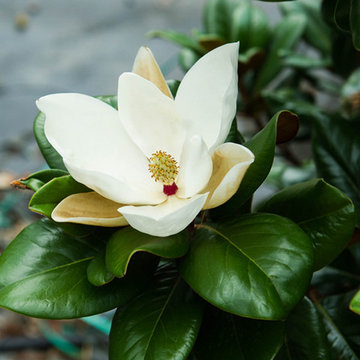
Teddy Bear Magnolia bloom photographed by Treeland Nursery. Starting in May and lasting through October the Teddy Bear Magnolia produces large fragrant creamy white saucer shaped flowers.
Visit our website to learn more. https://www.tree-land.com/tree-finder/tree/teddy-bear-magnolia/?
 Caliper Farms Nursery and Landscape Services
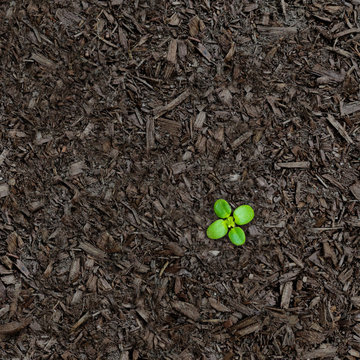
Earth Day may have been Monday, but we believe it should be every day. As part of the Green Industry, sometimes it's the little things that we can do every day that make the biggest difference. Like applying triple-shredded organic hardwood mulch, free of dyes and full of composted material, that we receive from our great friends at Britton Industries. Mulch is a vital part of any landscape just like triple-blended organic cheese, free of GMOs and full of flavor, is a vital ingredient of any taco. ?. Mulch assists in soil moisture retention and weed control, prevents runoff, provides nutrients for plants as it decomposes, and is the perfect finishing touch to make bedding areas beautiful.
Let's all strive to make every day Earth Day and do the best we can for our flora, our fauna, and this big old rock floating in space that we call home.
Contact us today for fresh ideas and inspiration! Proudly nearing 40 years of serving Central New Jersey! 908.904.9446
#caliperfarms #calipercare #earthday2024 #everyday #hardwoodmulch #landscaping #hardscaping #gardening #montgomerynj #bellemeadnj #princetonnj #hopewellnj #penningtonnj #skillmannj #lawrencevillenj
 Five Star Tree Care
Having evergreens on your property is an extraordinary way to include color that will stay fresh all year long. Knowing how to take care of your evergreens is also important if you want them to thrive long-term. How you plant your evergreens and where you plant them is important, but their maintenance equally critical.
You should always fortify your evergreens by watering them liberally and mulching their soil beds. This will help reduce any damage caused by winds, cold weather, and intense sun exposure. Pruning on a consistent schedule will also ensure that your evergreen always looks neat, healthy, and green.
How to Properly Care for Evergreens
Evergreens are very low-maintenance trees but they still require care. Neglected plants will dry out and wither which has the contrary effect of what you intended for when you planted them.
Mulching & Watering
The level of moisture in the soil will determine how well an evergreen can handle winter conditions and dry conditions. Adding wood chips or shredded bark mulch around the bottom of your plant will help lock in soil moisture. Make sure this is close to the tree’s drip line.
Adding organic materials to your mulch, such as compost, will further boost the nutrient levels in the soil. This, in turn, will help your evergreen grow strong, healthy and green. Make sure you water your plant regularly to maintain soil moisture levels.
Read More: https://www.fivestartreecare.ca/blog/best-way-to-care-for-evergreens/
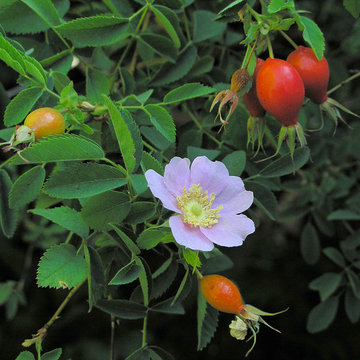
Rosa californica / California wild rose
Photo: Paula Kate Marmor, via Wikimedia Commons, licensed under Creative Commons Attribution-GNU Free Documentation License
 Five Star Tree Care
A tree has many parts, all of which contribute to its overall health. Just like the human body, each part of the tree works together to ensure the tree’s survival. There are a few important elements that trees and other plants need to live; these include carbon dioxide, water, sunlight, and food. A tree that has been planted in a nourishing environment and that has quality soil for its roots will grow tall, strong, and healthy. Trees that are planted in an urban environment such as on someone’s personal property need regular maintenance to thrive.
The arborists here at Five Star Tree Services are happy to provide residential and commercial tree care services, including pruning and removal. We help trees stay healthy by getting rid of dead branches, trimming overgrown leaves to prevent them from infringing on power lines and much more. Aside from regular care, homeowners should pay particular attention to the roots of the tree, and here’s why.
Why Trees Have Roots
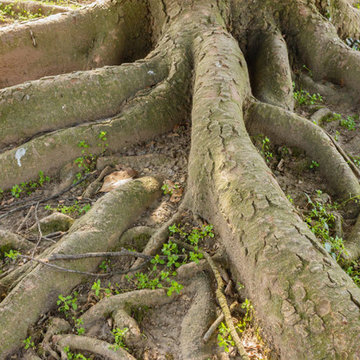
The roots are what hold the tree in place as well as used to absorb essential nutrients from the surrounding soil. Furthermore, water is also absorbed by the roots, which is critical for the tree’s survival. The majority of the roots of a tree are located between six inches and one foot underground. While they may be shallow going down, they extend very far horizontally, even surpassing the canopy of the tree. If a tree didn’t have roots, then it would not be able to stand or withstand harsh weather.
Allow The Roots to Breathe
The roots of your tree need to be protected, but they also need plenty of oxygen in order for your tree to thrive. Drying out the soil under your tree will allow oxygen to reach the area. Instead of watering your tree on a daily basis, choose a schedule that keeps the tree hydrated but allows the soil to rest. Packing the soil around the tree too tight will also limit the airflow which may suffocate surface roots.
Watering
Trees constantly require water regardless of their age. Trees need to be watered on a regular schedule, especially during dry seasons or drought. Ample watering will boost tree growth and maintain tree health.
Don’t Cut Them
Cutting the roots of a tree not only limits its ability to nourish itself, but it can also leave it open to attacks. Bacteria, insects, and viruses are more prone to strike a tree with a weak root system than one with a sturdy one. Cutting will also place stress on the tree which may stunt its growth for several years. Depending on the severity of the cut, severed roots may even cause the death of your tree.
Invest in Mulch
Mulch is a material placed around the bottom of a tree. It is fully organic and is intended to give the roots extra protection while also providing nutrients for your tree. Mulch should be placed around the base of a tree in the spring in order to promote new growth. An additional layer should be added in the winter to provide a buffer from the cold.
Tree Care by Five Star Tree Services
If you are worried about the health of your tree Five Star Tree Services is here to help. We offer Toronto Tree Care Services, storm damage, regular maintenance, affordable tree removal, pruning and planting services all over the metro area. If you are interested in boosting the aesthetic value of your property, or just maintaining your tree’s health, give us a call at (416) 990-3355 today.
 Refugia Design/Build
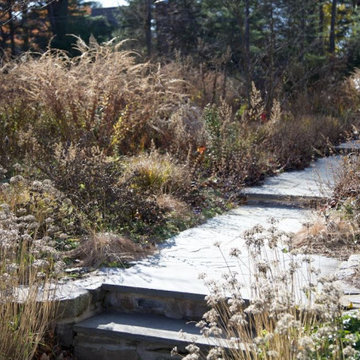
Entry way with perennial foundation plantings in late fall.
Design ideas for a large farmhouse landscaping in Philadelphia.
Design ideas for a large farmhouse landscaping in Philadelphia.
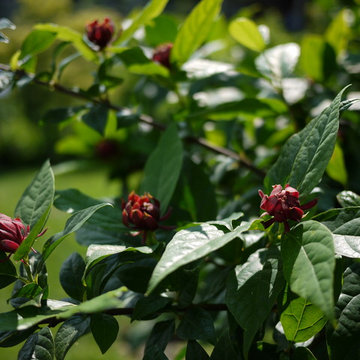
Carolina Allspice (Calycanthus floridus). Photo: Madeleine Ball, licensed under Creative Commons Attribution-ShareAlike 2.0 Generic
Photo of a large farmhouse landscaping for summer.
Photo of a large farmhouse landscaping for summer.

 Integrity Tree Care & Grounds Maintenance
Facts About ButterfliesDifferent Types Of Butterflies And Butterfly Facts
Natural butterfly habitats have been destroyed or affected by construction of housing and shopping developments, as well as by the use of pesticides and other chemicals. You can provide a suitable butterfly habitat that will help fortify the butterfly population, and as an added bonus, the habitat will bring you enjoyment in watching beautiful butterflies in your yard.
The butterfly habitat should be relatively sunny (5-6 hours per day) and out of the wind. Butterflies can get their required nutrients and minerals from a mud puddle in a sunny area. A successful butterfly habitat will contain the plants favored by both caterpillars and butterflies. This means that you should include plants like Queen Anne’s Lace, violets, marigolds, and maybe even milkweed for the caterpillars to eat, since they are able to chew their food. In particular, monarch caterpillars eat milkweed because it makes them an unpleasant-tasting meal to predators. For the butterflies, which are able to suck and are unable to chew, you should include nectar plants with different colors of flowers, such as zinnias, lilacs, and the butterfly bush.
Butterfly habitats should last all summer, meaning that you should select plants that bloom at different times so that something is always blooming. You might be able to take inspiration in your planting selections from a butterfly garden or inside a butterfly house if you are lucky to live close enough to one of these carefully planned attractions. Often, landscapers and nursery employees will be able to advise you as to what possible additions to your butterfly habitat will grow well in your area.
Copyright © Facts About Butterflies | All Rights Reserved.
Content provided and copywritten by http://factsaboutbutterflies.net
 SEN Creative
Photo: Lauren Edith Anderson © 2016 Houzz
Home design - traditional home design idea in San Francisco
Home design - traditional home design idea in San Francisco
11