
Search results for "Preventing deterioration" in Home Design Ideas
 Three Tree Roofing
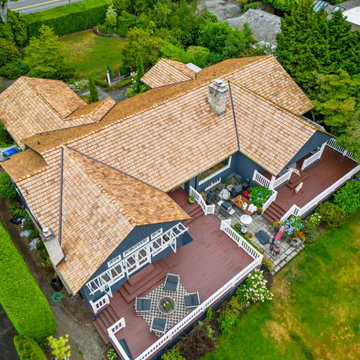
This impressive cedar shake shingle roof, prized for its beauty and sustainability, is located in Shoreline, Washington. Over time, the old cedar shake shingle roof had deteriorated, birds had begun to peck holes in it, and little critters had started to burrow and build nests in the wood. We removed the old cedar shake shingle roof, recycled it, and installed a premium three-quarter hand split cedar shake shingle roof. It’s a beautiful and environmentally friendly wood that comes with a 50-year CCA-treated warranty. The CCA treatment for longevity means the wood is injected with a treatment that prevents insects from growing into the wood which is a very important step. This treatment step is often omitted much of the time on lower quality wood leading to a very short life span of the cedar shake itself.
Three Tree Roofing uses quality wood that will last a very long time. When we install cedar shake shingles, it’s important to use stainless steel fasteners. The reason we use steel fasteners is that the CCA treatment will eat through all other metal fasteners. We use stainless steel so that doesn’t happen. We have an expert roofing crew that specializes in cedar shake shingle installs. It’s a skill that our highly dedicated crew uses every day. If you have any questions about residential or commercial roofing, feel free to contact us for your new roof or give us a call at 206-312-7663 (ROOF)!
 Three Tree Roofing
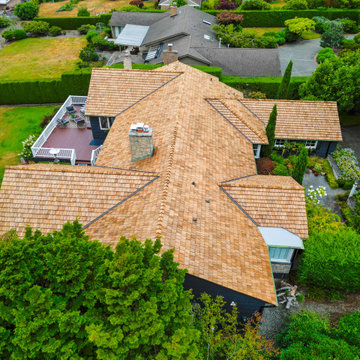
This impressive cedar shake shingle roof, prized for its beauty and sustainability, is located in Shoreline, Washington. Over time, the old cedar shake shingle roof had deteriorated, birds had begun to peck holes in it, and little critters had started to burrow and build nests in the wood. We removed the old cedar shake shingle roof, recycled it, and installed a premium three-quarter hand split cedar shake shingle roof. It’s a beautiful and environmentally friendly wood that comes with a 50-year CCA-treated warranty. The CCA treatment for longevity means the wood is injected with a treatment that prevents insects from growing into the wood which is a very important step. This treatment step is often omitted much of the time on lower quality wood leading to a very short life span of the cedar shake itself.
Three Tree Roofing uses quality wood that will last a very long time. When we install cedar shake shingles, it’s important to use stainless steel fasteners. The reason we use steel fasteners is that the CCA treatment will eat through all other metal fasteners. We use stainless steel so that doesn’t happen. We have an expert roofing crew that specializes in cedar shake shingle installs. It’s a skill that our highly dedicated crew uses every day. If you have any questions about residential or commercial roofing, feel free to contact us for your new roof or give us a call at 206-312-7663 (ROOF)!
 Pine Valley Turf Management
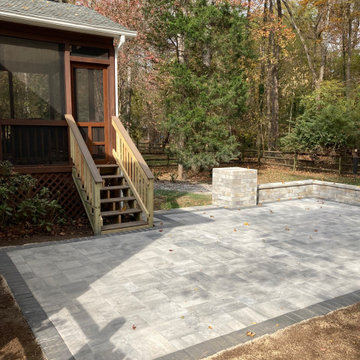
For this paver renovation project, our team transformed an outdated, deteriorating flagstone pad into a spacious, high-end outdoor patio extension. We expanded the overall footprint beneath the existing elevated deck, replacing the cracked, uneven stone with premium multi-piece pavers framing a contrasting dark border. To enhance structural definition and functional seating, we constructed matching stone columns and a low sitting wall along the perimeter, creating a clean, architectural transition between the home's screened porch and the backyard.
To ensure long-term durability and prevent settling, our installation team executed extensive excavation and site preparation, replacing soft earth with a properly graded, compacted gravel aggregate base. We integrated the patio seamlessly around the wooden deck staircase and existing home foundation, complete with pitch corrections for optimal drainage away from the house. At Pine Valley Turf Management, we take pride in upgrading underutilized backyard spaces into durable, custom hardscapes built to entertain for years to come.
Find the right local pro for your project
 Allman Remodeling Contractors
 Foundation & Masonry Repairs Complete! ?
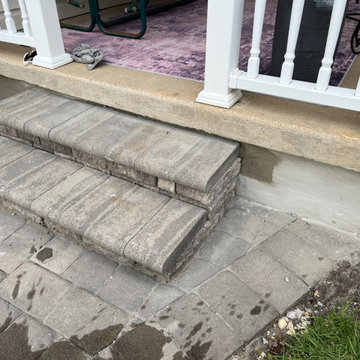
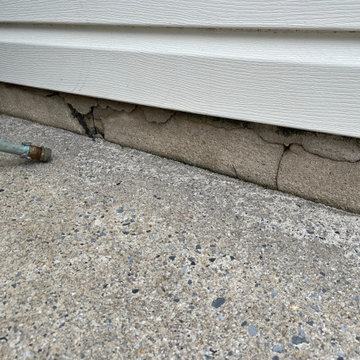
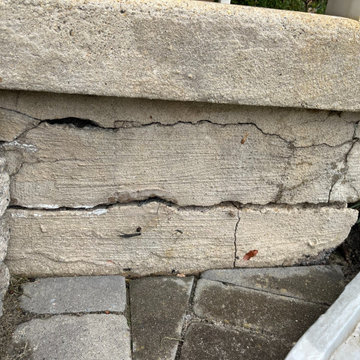
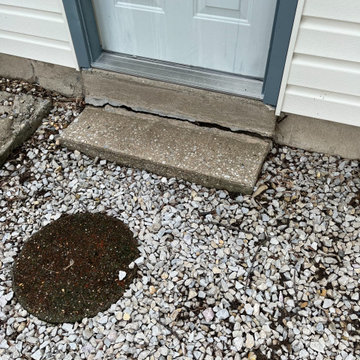
We recently tackled a project repairing cracked and deteriorating masonry around the foundation, steps, and entryways. The results? Stronger, cleaner, and longer-lasting protection against the elements.
✔️ Repaired cracked foundations
✔️ Restored damaged steps and landings
✔️ Repointed brickwork for a fresh, solid finish
Protecting your home’s foundation isn’t just about looks—it’s about structural integrity and preventing bigger issues down the road.
 RadonSeal
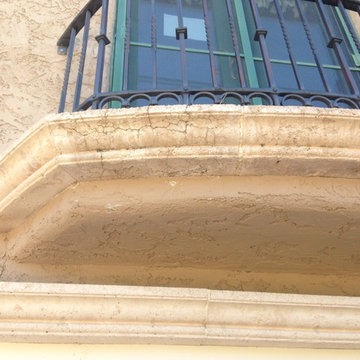
Q: " need to protect a concrete facade and prevent further deterioration of the surface. We are located in the mountains and experience weather extremes with rapid changes. Which of your products would provide protection with the least visual impact?"
A: Use LastiSeal® Brick & Masonry Sealer.
 AJM Construction & Repairs
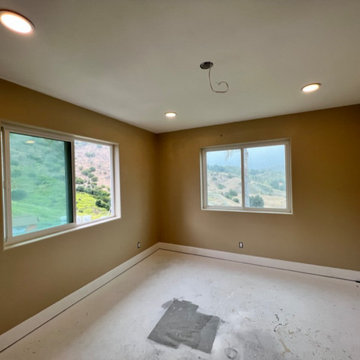
We started as a kitchen remodel but discovered there was mold in the majority of the exterior walls as well as the attic. The mold was caused by a number of problems but namely because the waterproof paper wrap on the house had deteriorated and was moisture to pass through the stucco and into the wood framing. In addition there was a leaking air conditioner condenser in the attic that was draining saturating the wood above the master bedroom. The mold was causing health problems it became clear we needed to replace a large majority of the framing and prevent future problems.
So we went from a kitchen addition/remodel to rebuilding the majority of the home and adding 800sqft; including a new bedroom, expanding the master bedroom and bath as well as a walk-in closet.
In anticipating for aging in place, we installed a walk-in shower with a bench and grab bars to allow for future wheelchair access and reduce trip hazards.
 AJM Construction & Repairs
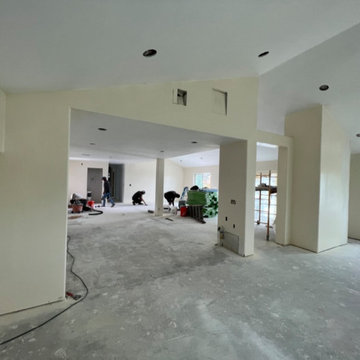
We started as a kitchen remodel but discovered there was mold in the majority of the exterior walls as well as the attic. The mold was caused by a number of problems but namely because the waterproof paper wrap on the house had deteriorated and was moisture to pass through the stucco and into the wood framing. In addition there was a leaking air conditioner condenser in the attic that was draining saturating the wood above the master bedroom. The mold was causing health problems it became clear we needed to replace a large majority of the framing and prevent future problems.
So we went from a kitchen addition/remodel to rebuilding the majority of the home and adding 800sqft; including a new bedroom, expanding the master bedroom and bath as well as a walk-in closet.
In anticipating for aging in place, we installed a walk-in shower with a bench and grab bars to allow for future wheelchair access and reduce trip hazards.
 Design Exteriors
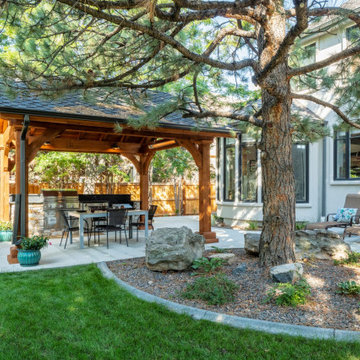
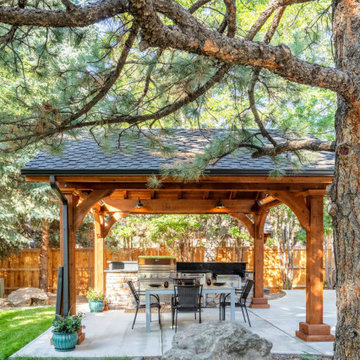
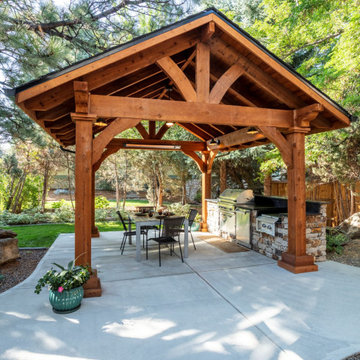
This client of ours loves to entertain. We were commissioned to completely redesign his backyard space to include a Pavilion, an outdoor kitchen, and a fire pit area. Preparation for this work included demolishing existing deteriorated concrete and a non-functioning Koi pond.
We decided on a 12′ x 14′ layout for the Cedar Pavilion. Sconce lighting, infrared heating, and a ceiling fan were added to the scope of the Pavilion project to maximize the space’s usability. For the outdoor kitchen, we chose a 38″ Delta Heat unit for the grill with matching access doors, a 20K BTU Hestan Side Burner, and a Hestan Refrigerator. We chose soapstone for the countertop and backsplash, and we veneered the kitchen structure with natural San Miguel cobblestone.
The construction of the fire pit area required engineering measures to prevent damage to the nearby pine trees’ root systems from the planned improvements. This was accomplished by designing a sophisticated ventilation system installed under the patio and seat wall to allow the tree roots to continue breathing.
The firepit and surrounding seat wall were constructed of CMU block and veneered with natural San Miguel stone from Telluride. Light fixtures from Unique Lighting were discreetly tucked under the seat wall cap to enhance the area’s nighttime ambiance. Large decorative mossback landscape boulders were imported to create visual interest in the setting. The plant selection for the project included ‘Panchito’ Manzanita, Dwarf Burning Bush, ‘Isanti’ Dogwood, ‘White Bud’ Mugo Pine, Japanese Astilbe, ‘Blue Giant’ Hosta, and Variegated Iris.
 Design Exteriors
This client of ours loves to entertain. We were commissioned to completely redesign his backyard space to include a Pavilion, an outdoor kitchen, and a fire pit area. Preparation for this work included demolishing existing deteriorated concrete and a non-functioning Koi pond.
We decided on a 12′ x 14′ layout for the Cedar Pavilion. Sconce lighting, infrared heating, and a ceiling fan were added to the scope of the Pavilion project to maximize the space’s usability. For the outdoor kitchen, we chose a 38″ Delta Heat unit for the grill with matching access doors, a 20K BTU Hestan Side Burner, and a Hestan Refrigerator. We chose soapstone for the countertop and backsplash, and we veneered the kitchen structure with natural San Miguel cobblestone.
The construction of the fire pit area required engineering measures to prevent damage to the nearby pine trees’ root systems from the planned improvements. This was accomplished by designing a sophisticated ventilation system installed under the patio and seat wall to allow the tree roots to continue breathing.
The firepit and surrounding seat wall were constructed of CMU block and veneered with natural San Miguel stone from Telluride. Light fixtures from Unique Lighting were discreetly tucked under the seat wall cap to enhance the area’s nighttime ambiance. Large decorative mossback landscape boulders were imported to create visual interest in the setting. The plant selection for the project included ‘Panchito’ Manzanita, Dwarf Burning Bush, ‘Isanti’ Dogwood, ‘White Bud’ Mugo Pine, Japanese Astilbe, ‘Blue Giant’ Hosta, and Variegated Iris.
 Design Exteriors
This client of ours loves to entertain. We were commissioned to completely redesign his backyard space to include a Pavilion, an outdoor kitchen, and a fire pit area. Preparation for this work included demolishing existing deteriorated concrete and a non-functioning Koi pond.
We decided on a 12′ x 14′ layout for the Cedar Pavilion. Sconce lighting, infrared heating, and a ceiling fan were added to the scope of the Pavilion project to maximize the space’s usability. For the outdoor kitchen, we chose a 38″ Delta Heat unit for the grill with matching access doors, a 20K BTU Hestan Side Burner, and a Hestan Refrigerator. We chose soapstone for the countertop and backsplash, and we veneered the kitchen structure with natural San Miguel cobblestone.
The construction of the fire pit area required engineering measures to prevent damage to the nearby pine trees’ root systems from the planned improvements. This was accomplished by designing a sophisticated ventilation system installed under the patio and seat wall to allow the tree roots to continue breathing.
The firepit and surrounding seat wall were constructed of CMU block and veneered with natural San Miguel stone from Telluride. Light fixtures from Unique Lighting were discreetly tucked under the seat wall cap to enhance the area’s nighttime ambiance. Large decorative mossback landscape boulders were imported to create visual interest in the setting. The plant selection for the project included ‘Panchito’ Manzanita, Dwarf Burning Bush, ‘Isanti’ Dogwood, ‘White Bud’ Mugo Pine, Japanese Astilbe, ‘Blue Giant’ Hosta, and Variegated Iris.
 EA Home Builders
The client's original wooden deck, along with its aging patio cover, had deteriorated and was in need of replacement. The client's objective was to have a low-maintenance deck without a cover while retaining the existing railing.
To begin, we carefully dismantled the old deck and patio cover, clearing the way for the upcoming construction. Following this, we proceeded to install sturdy cement footings to establish a reliable base for the new deck.
The framework for the deck was meticulously crafted using robust 4x6 pressure-treated lumber, ensuring durability and stability. Subsequently, we laid down 2x6 joists on top of this framework, providing essential support for the upcoming decking material.
To safeguard against moisture and enhance the longevity of the deck, we meticulously applied rubber flashing atop the joists. This protective layer serves to prevent water damage and reinforce the structural integrity of the deck.
For the decking itself, we selected and expertly installed Trex, a top-quality composite decking material known for its low maintenance and long-lasting performance. Additionally, the existing railing was carefully refurbished and reinstalled, seamlessly integrating it with the new deck.
Finally, we completed the project by installing the fascia, which not only enhances the aesthetic appeal of the deck but also conceals the ends of the deck boards and joists, contributing to a polished and finished look.
Throughout the entire process, we diligently adhered to local building codes and regulations, ensuring that the final result met the client's desires while delivering a high standard of construction and craftsmanship.
 Brick & Ember Outfitters
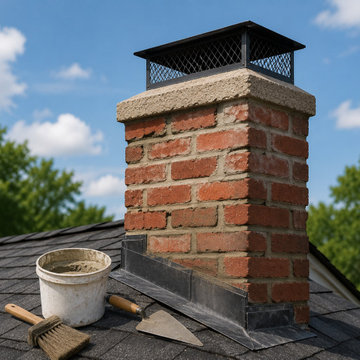
The chimney crown is a concrete plate or cover for a chimney that prevents water and the elements from entering the home. A properly formed chimney will have a slope that encourages water to wash away from the chimney rather than pool on top of it and cause deterioration issues.
 SUPERIOR CHIMNEY SERVICES CORPORATION
A friend noticed a damp, musty smell coming from her living room fireplace the week after a February thaw. When she called a masonry technician from Superior Chimney, to take a look, and found that water had been working its way behind the bricks for years. What started as a small crack now meant her chimney needed structural repairs before she could safely use it again.
Chimney repairs are any work done to restore the structural and weatherproof condition of a chimney. This can include mortar joint repair, brick replacement, crown repair, flue repair, and cap or flashing replacement. Most Chicagoland homeowners discover the need for chimney repairs often times after winter, when the freeze and thaw cycles have already done its damage. Uncovering the symptoms early is the best way to keep chimney repairs down. Let’s discuss how that can be done.
Why Chicagoland Weather Is Especially Hard on Chimneys
Chicagoland has some of the most polarized weather. One day it’s a blizzard and the next week hot, humid and 100 degrees. That swing in weather conditions and temperatures are the real reasons why chimney repairs are needed.
When moisture from humid and rainy days’ soak into brick and mortar and then freezes, it expands. As it begins to thaw, the materials contract. Repeat that cycle dozens of times in a single Illinois winter and even solid masonry in the chimney starts to crack, spall, and separate from the joints holding it together. This is called the freeze thaw cycle. We’ve talked about it many times over the years, and it continues to be the single biggest reason homes need chimney repairs more often than homes in milder climates.
The Chimney Safety Institute of America (CSIA), the leading nonprofit certifying body for chimney professionals in the United States, notes that water intrusion is one of the most damaging and most preventable problems. If the problem is left to mature, it affects more than the appearance. It compromises the structure itself.
What Do Chimney Repairs Involve?
Not every chimney problem requires the same fix. Chimney repairs generally fall into a few categories. Understanding the difference, helps homeowners have a more informed conversation with the expert technician.
Mortar joint repair or tuckpointing. This involves removing deteriorated mortar between bricks and replacing it with fresh mortar, matched to the original color and texture as closely as possible.
Brick replacement. When individual bricks have spalled, meaning the face has cracked or popped off from trapped moisture, those bricks are removed and replaced.
Crown and cap repair. The crown is the concrete slab at the very top of the chimney. Cracks both big and small let water directly into the chimney flue. Chimney crown repair is often one of the most urgent forms of chimney repairs.
Flashing repair. Flashing is the barrier where the chimney meets the roofline. Loose, damaged or poorly installed flashing is a common source for water leaks. The roof gets the blame as it is the largest piece that covers the house. However, it certainly can be the overlooked chimney.
Flue and liner repair. Cracked flue tiles or damaged liners affect how safely a chimney vents smoke and combustion gases.
When to Know a Chimney Needs Repair
Most chimney damage shows up as small, easy to dismiss way. Let’s take a look at the following list. Be sure to print this out and keep it handy so if/when something happens, you know what to look for.
• Water stains near the fireplace or on the ceiling
• A brownish stain on the wall around your fireplace, or a stain on the ceiling near an exterior chimney. This means water is getting in somewhere it should not.
• Crumbling or missing mortar
• If you can see gaps between bricks, or mortar that flakes off when you touch it
• A leaning or visibly shifting chimney
• A chimney that appears to pull away from the house, even slightly, could indicate a structural issue
• White staining on the brick (efflorescence)
• Chalky white residue left behind as water evaporates out of the masonry. It is a visible sign that moisture is moving through brick
• Rusted damper or firebox components
• Metal parts inside a fireplace that are rusting are a strong indicator that moisture is present
• Debris in the fireplace
• Small chunks of brick, mortar, or tile landing in the firebox
What are the Various Types of Chimney Repair?
This is a compiled list of chimney repairs so you can be aware of what to look for. If you have any questions, contact us directly at 877-244-6349.
Homeowners who schedule chimney repairs at the first sign of trouble typically spend far less than those who wait until water damage reaches the interior of the home. This is a great reason to contact Superior Chimney at 877-244-6349.
Why an Annual Inspection Matters More Than People Think
The CSIA and the National Fire Protection Association both recommend that chimneys, fireplaces, and vents be inspected at least once a year, whether or not the fireplace gets used. This recommendation exists because damage does not take a break just because a chimney sits without any use.
According to data stated by the CSIA, chimney related fires still contribute to tens of thousands of residential fires across the United States each year, and a large share of those incidents can be traced back to deferred maintenance. An annual chimney inspection is what catches the small mortar crack or the hairline crown crack before it turns into a repair bill.
Hiring the Right Company for Chimney Repairs
Not every company who offers chimney repair work has the certified training to diagnose a problem correctly. CSIA certification is the most widely recognized credential in the industry, and it requires technicians to study chimney physics, venting systems, and fire codes. After the studies, the new technician needs to pass an exam and agree to a professional code of ethics.
When you call, be sure to ask:
Are your technicians CSIA certified, and can I verify that certification?
Will you show me photos or video of the damage before starting work?
Does the estimate distinguish between cosmetic repair and structural repair?
At Superior Chimney, we welcome these and other of your questions.
How Chimney Repairs Affect Insurance and Resale
A chimney in poor condition can complicate a home sale or an insurance claim. Home inspectors routinely report on visible mortar loss, leaning chimneys, or missing chimney caps. Some insurers will request proof of repair before renewing a policy on an older home. Addressing chimney repairs proactively protects more than curb appeal. It protects the sale timeline and the claims history associated to the property.
Frequently Asked Questions
How often should a Chicago area chimney be inspected? At least once a year, per CSIA and NFPA guidance, regardless of how often the fireplace is used.
Can chimney repairs be done in winter? Some interior repairs can happen in cold weather, but most masonry repair requires temperatures consistently above freezing. Spring and fall are the most common repair times in the Chicago area.
Is tuckpointing the same thing as chimney repair? Tuckpointing is one type of chimney repair, focused on replacing deteriorated mortar joints.
Does homeowners insurance cover chimney repairs? It depends. Sudden damage from a storm may be covered, while gradual deterioration from lack of maintenance typically is not.
So Finally…
Taking care of your home includes a chimney. Just because you don’t see it every day, doesn’t mean things aren’t happening. Be sure to get a chimney inspection done once per year by a certified and credible company such as Superior Chimney to take care of the issues. Contact us today by calling 877-244-6349.
 Design Exteriors
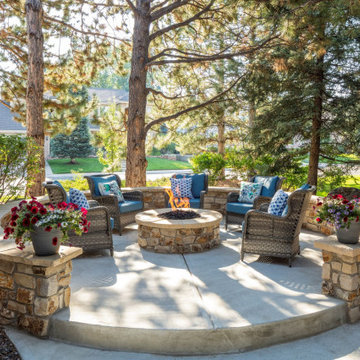
This client of ours loves to entertain. We were commissioned to completely redesign his backyard space to include a Pavilion, an outdoor kitchen, and a fire pit area. Preparation for this work included demolishing existing deteriorated concrete and a non-functioning Koi pond.
We decided on a 12′ x 14′ layout for the Cedar Pavilion. Sconce lighting, infrared heating, and a ceiling fan were added to the scope of the Pavilion project to maximize the space’s usability. For the outdoor kitchen, we chose a 38″ Delta Heat unit for the grill with matching access doors, a 20K BTU Hestan Side Burner, and a Hestan Refrigerator. We chose soapstone for the countertop and backsplash, and we veneered the kitchen structure with natural San Miguel cobblestone.
The construction of the fire pit area required engineering measures to prevent damage to the nearby pine trees’ root systems from the planned improvements. This was accomplished by designing a sophisticated ventilation system installed under the patio and seat wall to allow the tree roots to continue breathing.
The firepit and surrounding seat wall were constructed of CMU block and veneered with natural San Miguel stone from Telluride. Light fixtures from Unique Lighting were discreetly tucked under the seat wall cap to enhance the area’s nighttime ambiance. Large decorative mossback landscape boulders were imported to create visual interest in the setting. The plant selection for the project included ‘Panchito’ Manzanita, Dwarf Burning Bush, ‘Isanti’ Dogwood, ‘White Bud’ Mugo Pine, Japanese Astilbe, ‘Blue Giant’ Hosta, and Variegated Iris.
 Allman Remodeling Contractors
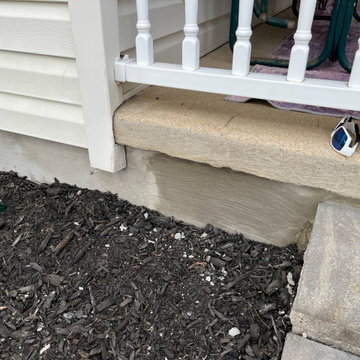
 Foundation & Masonry Repairs Complete! ?
We recently tackled a project repairing cracked and deteriorating masonry around the foundation, steps, and entryways. The results? Stronger, cleaner, and longer-lasting protection against the elements.
✔️ Repaired cracked foundations
✔️ Restored damaged steps and landings
✔️ Repointed brickwork for a fresh, solid finish
Protecting your home’s foundation isn’t just about looks—it’s about structural integrity and preventing bigger issues down the road.
 Design Exteriors
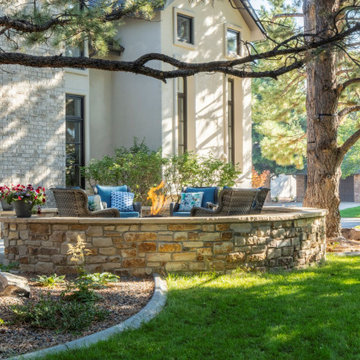
This client of ours loves to entertain. We were commissioned to completely redesign his backyard space to include a Pavilion, an outdoor kitchen, and a fire pit area. Preparation for this work included demolishing existing deteriorated concrete and a non-functioning Koi pond.
We decided on a 12′ x 14′ layout for the Cedar Pavilion. Sconce lighting, infrared heating, and a ceiling fan were added to the scope of the Pavilion project to maximize the space’s usability. For the outdoor kitchen, we chose a 38″ Delta Heat unit for the grill with matching access doors, a 20K BTU Hestan Side Burner, and a Hestan Refrigerator. We chose soapstone for the countertop and backsplash, and we veneered the kitchen structure with natural San Miguel cobblestone.
The construction of the fire pit area required engineering measures to prevent damage to the nearby pine trees’ root systems from the planned improvements. This was accomplished by designing a sophisticated ventilation system installed under the patio and seat wall to allow the tree roots to continue breathing.
The firepit and surrounding seat wall were constructed of CMU block and veneered with natural San Miguel stone from Telluride. Light fixtures from Unique Lighting were discreetly tucked under the seat wall cap to enhance the area’s nighttime ambiance. Large decorative mossback landscape boulders were imported to create visual interest in the setting. The plant selection for the project included ‘Panchito’ Manzanita, Dwarf Burning Bush, ‘Isanti’ Dogwood, ‘White Bud’ Mugo Pine, Japanese Astilbe, ‘Blue Giant’ Hosta, and Variegated Iris.
 Allman Remodeling Contractors
 Foundation & Masonry Repairs Complete! ?
We recently tackled a project repairing cracked and deteriorating masonry around the foundation, steps, and entryways. The results? Stronger, cleaner, and longer-lasting protection against the elements.
✔️ Repaired cracked foundations
✔️ Restored damaged steps and landings
✔️ Repointed brickwork for a fresh, solid finish
Protecting your home’s foundation isn’t just about looks—it’s about structural integrity and preventing bigger issues down the road.
 Allman Remodeling Contractors
 Foundation & Masonry Repairs Complete! ?
We recently tackled a project repairing cracked and deteriorating masonry around the foundation, steps, and entryways. The results? Stronger, cleaner, and longer-lasting protection against the elements.
✔️ Repaired cracked foundations
✔️ Restored damaged steps and landings
✔️ Repointed brickwork for a fresh, solid finish
Protecting your home’s foundation isn’t just about looks—it’s about structural integrity and preventing bigger issues down the road.
 Allman Remodeling Contractors
 Foundation & Masonry Repairs Complete! ?
We recently tackled a project repairing cracked and deteriorating masonry around the foundation, steps, and entryways. The results? Stronger, cleaner, and longer-lasting protection against the elements.
✔️ Repaired cracked foundations
✔️ Restored damaged steps and landings
✔️ Repointed brickwork for a fresh, solid finish
Protecting your home’s foundation isn’t just about looks—it’s about structural integrity and preventing bigger issues down the road.
 C.E. Pontz Sons
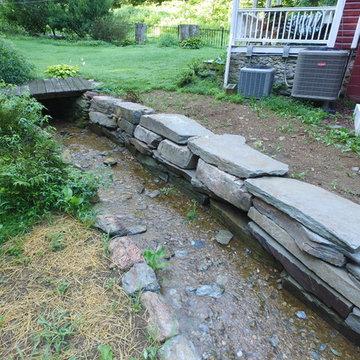
This natural stream restoration project is located in southern Lancaster County, PA. The project consisted of removal of existing deteriorating stream bank supports. We then excavated the banks of the stream to allow for installation of new natural stone retaining walls. The stream was also widened slightly to improve flow and help prevent future flooding. This was an additional phase of a larger project. Below is some pictures of the stream restoration.
3