
Search results for "Reduce efficient" in Home Design Ideas



 Dulce Feito-Daly Interior Design, LLC
Tile, Stone & Countertop materials
Small elegant galley vinyl floor and gray floor utility room photo in New York with an undermount sink, raised-panel cabinets, beige cabinets, quartz countertops, beige walls, a stacked washer/dryer and white countertops
Small elegant galley vinyl floor and gray floor utility room photo in New York with an undermount sink, raised-panel cabinets, beige cabinets, quartz countertops, beige walls, a stacked washer/dryer and white countertops

 Balducci Additions & Remodeling
Stan Sweeney
Large transitional detached two-car garage photo in Richmond
Large transitional detached two-car garage photo in Richmond
Find the right local pro for your project


 John
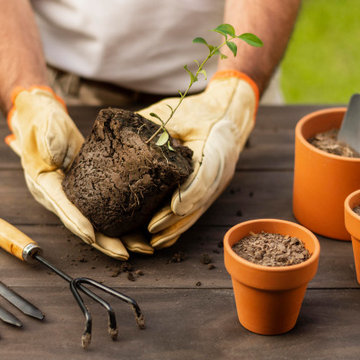
Coco coir is a versatile and sustainable growing medium that is gaining popularity among gardeners. Made from the fibrous husk of coconuts, it’s an eco-friendly alternative to peat moss and can greatly enhance the quality of your soil. In gardening, it is often utilized in systems like Coco Coir Hydroponic, where it helps create an efficient water and nutrient delivery system.
What is Coco Coir?
Coco coir is a natural fiber extracted from coconut husks. It has a neutral pH, excellent water retention, and is reusable, making it a favorite among gardeners who prefer organic and sustainable practices. It is available in different forms such as blocks, bricks, or loose coir, each requiring some preparation before use in gardening.
Benefits of Using Coco Coir in Gardening
Coco coir offers several advantages for gardening. Here are the benefits of using coco coir in gardening:
Holds up to 10 times its weight in water, ensuring plants have consistent moisture.
Promotes oxygen flow to plant roots, leading to healthier root systems.
Coco coir is a renewable and eco-friendly alternative to peat moss.
It can be washed, rehydrated, and reused, reducing waste.
Naturally pH neutral, making it suitable for various plants without major adjustments.
Enhances the texture and moisture retention of garden soil.
How to Prepare Coco Coir for Planting
Preparing coco coir for planting involves a few essential steps. First, you need to hydrate the coir block, as it typically comes in a compressed form. Place the block in a large container and add warm water, allowing the block to expand and absorb the water. Once fully expanded, the coir should be fluffed up by breaking it apart with your hands or a tool to ensure it becomes loose and airy. After the coir has been fluffed, it is important to drain any excess water, as overly wet coir can lead to root suffocation. Finally, since coco coir is inert and does not contain nutrients, it’s a good idea to add organic compost or liquid fertilizer to enrich the coir before planting.
Do You Need to Soak Coco Coir Before Planting?
Yes, soaking coco coir before planting is necessary. Since it comes in a compressed form, it needs to be broken down and hydrated for proper use. The soaking process allows the coir to expand and release the fibers, making it usable as a growing medium. After soaking, the coir should be fluffed to ensure the water is evenly distributed. Draining any excess water is crucial because overly wet coir may impede plant root health.
How to Prepare Coco Peat for Planting
Coco peat, a fine, powdery form of coco coir, is highly beneficial for seed starting and improving water retention in soil. To prepare coco peat, it first needs to be hydrated, similar to how you prepare coir blocks. Slowly add water to the peat in a container and allow it to absorb and fluff up. Once hydrated, coco peat can be used on its own or mixed with other growing media such as perlite or vermiculite for added aeration and drainage. It is advisable to check the pH level of your final mix, as coco peat generally has a neutral pH, but adjustments may be necessary depending on the plants being grown.
Can You Use Just Coco Coir for Plants?
Yes, coco coir can be used by itself to grow plants, especially in hydroponic systems or as a seed-starting medium. However, because coco coir does not naturally contain nutrients, you will need to provide regular fertilizer to support plant growth. This makes it particularly suitable for plants grown in controlled environments, such as hydroponics, where nutrient solutions can be carefully managed. In traditional soil-based gardening, mixing coco coir with other organic materials like compost is recommended to provide essential nutrients and improve the overall soil structure.
How to Use Coco Coir in Hydroponics
Coco coir is widely used in hydroponic systems due to its water retention and aeration properties. To use coco coir in hydroponics, it first needs to be soaked and hydrated, as discussed earlier. Once the coir is fully prepared, it can be placed in the hydroponic system. Since coco coir does not contain natural nutrients, you will need to supply a balanced nutrient solution tailored for hydroponic plants. Regular monitoring of water and nutrient levels is essential to prevent nutrient imbalances or root rot. One of the benefits of coco coir in hydroponics is its reusability. After completing a growing cycle, the coir can be washed, rehydrated, and used again in future plantings.
Using Coco Coir as a Soil Amendment
Coco coir is also an excellent soil amendment, as it improves the texture and moisture retention of garden soil. To use coco coir in this way, mix loose coir with your existing garden soil at a ratio of one part coco coir to two parts soil. This will help retain moisture without compacting the soil, improving both water drainage and root growth. For optimal results, you can also add organic compost to the mix, ensuring that the nutrient levels are sufficient for plant growth. Coco coir works particularly well in raised beds, where it helps maintain proper soil structure over time.
Advantages of Using Coco Coir Over Peat Moss
While peat moss has been traditionally used as a growing medium, coco coir offers several advantages over it. Coco coir is a renewable resource, as it is a byproduct of coconut processing, while peat moss is harvested from peat bogs that take centuries to regenerate. Coco coir is also more durable, as it can be reused multiple times without breaking down, while peat moss disintegrates after a single use. Another key benefit is its neutral pH, whereas peat moss is more acidic and may require balancing to meet the needs of specific plants.
Conclusion
Coco coir is a highly versatile and sustainable growing medium that benefits both novice and experienced gardeners alike. Whether you are using it for hydroponics, as a soil amendment, or as a standalone medium for growing plants, knowing how to properly prepare and use it is key to maximizing its benefits. By following the steps detailed above, you can improve water retention, aeration, and overall plant health in your garden, all while contributing to eco-friendly gardening practices.

 ING Construction
Valley Village, CA - Complete Bathroom remodel
Close-up/sample shot of the vanity countertop. Excellent use of white with a touch of gray speckle to add just a little character.
 Eden LA Furniture and Interiors
Primary Bedroom Fireplace
Inspiration for a craftsman home design remodel in Los Angeles
Inspiration for a craftsman home design remodel in Los Angeles

 Georgia Carpet Industries
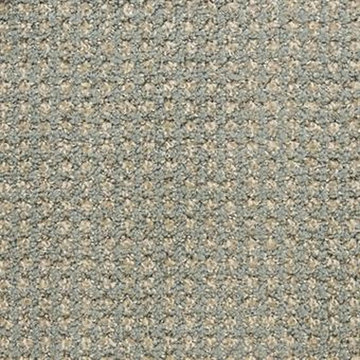
One of Masland’s many carpet styles, Alpha is a beautiful design that will add a subtle flair to your home. Its loop type style gives it a distinct texture and look. This gorgeous carpet has a pattern repeat of 1” x 1” and a width of 12 ft. It has a pile height of .155”/.275”/.350/.458". Available in 12 neutral-toned colors, this solution-dyed carpet has vibrant colors that will pair well with many decor styles. It has a woven polypropylene backing and is American made. Crafted from 100% Universal Solution Dyed BCF Nylon Type 6,6, it is built to last a lifetime. This durable carpet is backed with a 10-Year Wear Warranty. For more information come see us at 3352 S Dug Gap Rd Dalton, GA 30720, Call us at 1-800-535-8789 or visit our website!

 Bennett Binns Architects
steel folded plate stair with stainless hand rails and cables.
Inspiration for a contemporary staircase remodel in San Francisco
Inspiration for a contemporary staircase remodel in San Francisco

 Modern Whimsy Interiors
Alcove bathtub - mid-sized transitional 3/4 multicolored tile porcelain tile alcove bathtub idea in Oklahoma City with recessed-panel cabinets, dark wood cabinets, granite countertops, a one-piece toilet and beige walls
 China Marmoglass Co.,Limited
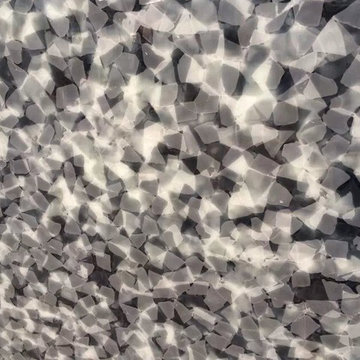
Solid Marmoglass Glass2 Slab
Glass2 is an environmentally friendly product constructed from 99% recycled glass, containing no chemicals or glue. The flexibility of glass2 allows for its application in kitchen and bathroom countertops, bartops, tables, and fireplace surroundings. Glass2 is stain-resistant, bacteria-free, and requires virtually no maintenance. Glass2 is both easy to sustain and elegant in its appearance, meeting the needs of many customers and fabricators.
Here you can find detail of Solid Marmoglass Glass2, we are the factory for Solid Marmoglass Glass2, we have Solid Marmoglass Glass2 Slabs 3000 x 1400 x 20mm.
Crystallized Glass2,Crystallized stone2,Crystallized glass panel Glass2
Application:
1). Interior & external wall cladding
2). Flooring Tile, Stair, Column cladding
3). Basin, Countertop, Table, Bar
4). bath, Kitchen, any tops, round pillar and furniture decoration etc.
You can get best 3D Glassos Panels Glass2 here, You can get the Glass 2 Panel here,we are 3D Glassos Panels slabs,tiles,countertops manufacturer
glass2 is a high grade, inorganic material produced by high temperature forging; it is an environmentally friendly material for countertops, bar tops, vanities, shower doors, flooring, interior and exterior wall cladding and paneling. It can be used for both indoor and outdoor applications. glass2 is resistant to weathering from wind, rain, and sunlight. glass2 is produced from 99% fused recycled glass and is resin free. This material is easy to clean and 100% non-porous. glass2 is available three (3) slab thickness: 16mm, 20mm, and 30mm. glass2 is now produced with an epoxy/nylon mesh backing to improve its ability to withstand abuse during transportation and to give extra strength for cut-outs (sinks, stove tops etc.).
Slab Model: 2400 x 1200 , 3000 x 1400
Thickness: 16mm, 20mm, 30mm
What is glass2?
Glass2is 99% recycled glass. Glass2 contains no resin or epoxy; it is pure glass.
What thickness range is available for glass2 ?
Glass2 standard thicknesses are 20mm yet 16mm is available upon request ... changed is for customize.
Can glass2 be used for countertops?
Yes. Glass2 can be used for countertops, as well as for wall cladding, flooring, and fascia of buildings.
Will glass2 stain?
Glass2 will not stain. Glass2 will not absorb anything, including acid and wine.
How easy can glass2 be fabricated?
Glass2 can be fabricated by both stone and glass fabricators using industry standard tools and equipment. Glass2 can be cut in most shapes by following simple guidelines.
Can glass2 be used for columns?
Yes, glass2 can be bent to shape in production and can be used for columns. (Custom orders only)
Can glass2 be repaired if scratched?
Glass2 can be repaired if scratched, using standard glass industry tools, supplies, and principles to achieve a repolished surface very close to the factory finish.
Is glass2tempered?
No, glass2 is not a tempered product.
China Marmoglass Co.,Limited offer all kinds of Glassos, 3D Marmoglass, Glass2 exporter, supplier, factory. You can buy Glassos, 3D Marmoglass, Glass2 exporter, supplier, factory from China Marmoglass Co.,Limited at Chinamarmoglass.com
You can get best 3D Glassos Panels here, we are 3D Glassos Glass2 Panels slabs,tiles,countertops manufacturer.




 City Lights Burlington Vermont
brad hume
Inspiration for a craftsman living room remodel in Burlington with gray walls
Inspiration for a craftsman living room remodel in Burlington with gray walls


 Ceramic Decor Centre Ltd.
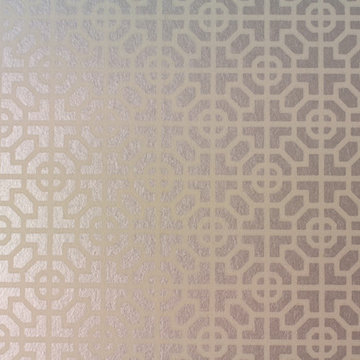
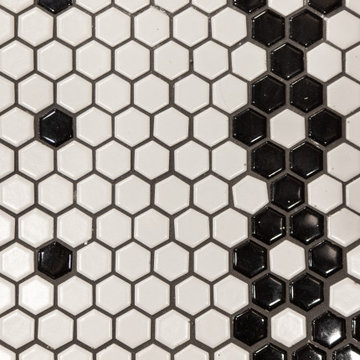
Shower Floor: Ontario Hexagon Dark Grey 2x2 Matte
TARA MARTIN PHOTOGRAPHY
Inspiration for a small modern master porcelain tile and gray floor alcove shower remodel in Toronto with a hinged shower door
Inspiration for a small modern master porcelain tile and gray floor alcove shower remodel in Toronto with a hinged shower door




 Badger Cabinets
Fabuwood Nexus Frost door — white shaker styling with simple, modern lines, at Badger Cabinets, Oak Creek.
126