
Search results for "Strong people" in Home Design Ideas
 Arielle Mizrahi Design
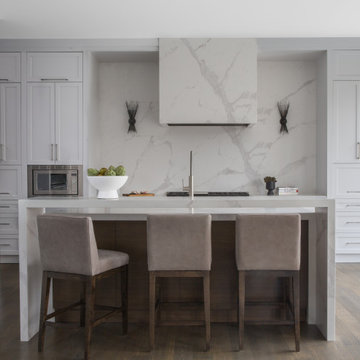
Kitchen - contemporary l-shaped dark wood floor and brown floor kitchen idea in New York with shaker cabinets, white cabinets, white backsplash, stone slab backsplash, stainless steel appliances, an island and white countertops
 Star Furniture
Meet Mary Strong.
Mary has over 20 years experience in residential and commercial interior design. She holds a Bachelor of Science degree from Nesbitt School of Design at Drexel University.
Strong relocated to the Houston area in 2008 from New York, and loves the diversity of Houston because it allows her to work with many different home styles. She enjoys interacting with people, and her skills and experience create beautiful results for her new and returning clients.
Mary's preferred style is what she calls “today's traditional.” It is a mix of old and new; a fresh version of traditional design. One of her specialties is window treatments. She works closely with Star's drapery designers to create custom treatments for her clients' homes.
Contact Mary Strong and let her know that you found her on Houzz.com.
Webpage: https://www.starfurniture.com/mary-strong
Address: Star Furniture, 16666 Barker Springs Road, Houston, TX
Phone: 281-492-5494
Email: mstrong@starfurniture.com
 Klopf Architecture
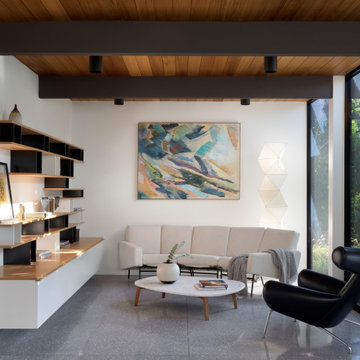
Malibu Glass Box House by Klopf Architecture
Following the devastating Woolsey Fire of 2018, the site in Malibu offered a unique opportunity to rebuild not just a home, but a new architectural composition that highlighted the property’s potential while navigating strict fire-rebuild codes in the area. Designed by Klopf Architecture, this project embraced a set of limitations and translated them into an architectural asset.
The city’s fire-rebuild process required the new structure to remain close to the original footprint, size and bulk, a constraint that ultimately clarified the architectural direction. Perched near the front of a long, narrow lot, the new home frames and overlooks a private, park-like rear expanse, an uncommon luxury especially in this part of Malibu .
Without a fixed program, the design process allowed for a different kind of creative focus allowing Klopf Architecture the opportunity to explore how a modernist home could best respond to this site. The team approached the project not with a list of requirements, but with a question: How might a modernist live here? What spatial qualities would inspire calm, connection, and a sense of wonder in this setting? The process became less about problem-solving and more about architectural storytelling—letting the site, the light, and the principles of modern design guide the form and flow of the home.
The response emerged in the form of a glass-box pavilion, an open, Mid-Century Modern inspired living, dining, and kitchen space that floats at the edge of the property’s natural descent. Connected to the more enclosed, private areas of the home by a glass-walled hallway, the living pavilion becomes a distinct centerpiece of the design. It opens on all four sides to the landscape with decks and patios on the flanks, an internal garden and water feature to the north, and a dramatic unguarded view of the expansive backyard and ocean horizon to the south.
Because of the mandated footprint, careful planning was required to ensure every space could still engage with light, landscape, or both. Strategic voids in the form of atriums and courtyards allow daylight to filter deep into the home’s core, while offering moments of surprise and retreat. These design gestures allow natural light to filter deep into the interior, creating a sense of brightness and openness throughout the day. At the same time, they expand the perceptual boundaries between inside and out, making the home feel more expansive while anchoring its connection to the surrounding landscape.
The siting of the house is what gives it its unique character. Rather than receding into the backyard like the neighboring homes, the house holds a slight prominence. From the central living pavilion, stepping down into the landscape feels more like entering a secluded park where a separate existing accessory structure, trail, and recreational areas await. The home’s modest street presence gives way to this unfolding drama of space, view, and nature.
Fire-resilient materials and assemblies are integrated seamlessly throughout including triple-pane glazing, under-slab and roof insulation, and locally sourced fire-rated cladding ensure the house not only meets Calfornia’s rigorous wildland-urban interface (WUI) standards, but feels effortlessly aligned with them. While technical decisions like fire-hardening and mechanical systems presented some construction challenges, particularly around the cantilevered glass box, the team found a functional compromise that preserved the integrity of the design.
Inside, a restrained palette and exposed post and beam design celebrate the ethos of mid-century modernism. A central circulation spine extends from the entry to the rear glass wall, offering a continuous visual link from street to ocean. Spaces such as the library and office, though more intimate in scale, are never cut off from nature as each opens to its own unique courtyard or garden view.
Though born out of a strict regulatory framework and developed without a specific client, the rebuild design unfolded with remarkable clarity. Grounded in site logic, refined by limitations and an emphasis on timeless spatial relationships – light, proportion, and a strong connection to nature, the resulting design feels both effortless and uplifting. The home lives lightly on the land, opens generously to its surroundings, and strikes a careful balance between privacy, openness, and calm. For Klopf Architecture, it stands as a compelling case study in how site, code, and circumstantial constraints can inspire enduring, modernist architecture. With years of experience reimagining mid-century modern design for how people live today, the firm took the project’s limitations as an opportunity. The result is a home shaped by open, flowing spaces, strong indoor-outdoor connections, and a calm, clear sense of structure. It’s a good reminder that even with strict constraints, there’s still room for architecture to breathe—and for modernism to keep moving forward.
Klopf Architecture project team: Geoff Campen, John Klopf, AIA, and Sherry Tan
Structural Engineer: ZFA
Contractor: Maison D’Artiste
Photography: ©2025 Mariko Reed
Year Completed: 2023
Find the right local pro for your project
 Home Improvement
West or east, home is the best. Happy, warm, harmonious home is the dream and target of people. How to decorate our home is very important. We have the experience that the bedding we saw in emporium is beautiful, but the effect does not good when we bring it home. This is because we do not choose bedding according to the color collocation of our dream bedrooms. Here are some classic color collocation methods for you:
Color collocation of light with dark: when the main color of your dream bedroom is light, such as white, light color bedding will make your bedroom feel pale, ordinary and have no sense of color. On the contrary, dark or bright color bedding such as chocolate, purple, green, yellow will make your space full of vitality. The collocation of light and dark color gives people strong visual impact. So when your dream bedroom have dark color as its main tone, light or bright color like white, pink, red and yellow goes well with it. The space will feel depressing if you use dark color bedding.
Color collocation method of similar color: it means choose bedding with similar color to the main color of bedroom. For example, when the main color of your dream bedroom is purple, white bedding with few purple decoration patterns is good choice. There would be no layering if you use bedding in large area purple.
Collocation method of matching complex with simple: if the decoration style of bedroom is complex, concise and elegant bedding goes well with it, or the space will be disorderly and unsystematic.
The intensity of lighting: light intensity is the factor that people often neglect. Avoid using dark color bedding in bedroom with dark light.
The relationship of whole and part: the main color of bedroom is whole, bedding color is part. A guest cannot usurp the host's role. So does the bedding. There should be primary and secondary in bedroom color collocation. Bedding color only plays the role of embellishing.
Take all the elements in bedroom into consideration: all the elements in dream bedroom – wall, furniture, floor, and bedding – should be considered. They should be in consistent.
We all know that color has the function of mood adjustment. We should choose color according to our actually needs.
Green and purple is good to soothe the nerves and relax people. Patient with phobia and schizophrenia can choose the two colors.
Light saffron yellow, blue and pink can make people exciting, happy and full of hope. Depression and anxiety disorder patient can choose them.
Cyan is good to produce sleepiness. It suit for those insomniac.
Besides, warm color bedding with thicker fabric suit to use in winter and autumn for the decrease of temperature.

 Business_Name_Placeholder
?? 24/7 Support
⭐️ Top-Rated Service
? Fast Response
? Premium Quality
✈️◆► Telegram: @Pvatopzone
?◆► WhatsApp: +1 (579) 550-8030
?◆► Discord: accountservice
✈️◆► https://t.me/Pvatopzone
?◆► Email: Pvatopzone@gmail.com
 Fredman Design Group
We focused on creating a nurturing space that would help the family and their guests unwind and heal from the stress of everyday life. An eclectic mix of wood finishes and tones, metals and neutral color palettes create a strong connection to the natural lakeside environment right outside the home.
The main living space features a two-story wall of windows, treated only with simple floor-to-ceiling sheers to keep the beautiful lake views as the focal point. The bright, airy space is grounded by an eclectic collection of seating, perfect for a family gathering or a retreat meeting.
Our focus was on creating a home that would inspire and heal anyone who enters it, both the family enjoying their vacations and the people invited there for retreats. Through careful consideration of materials and the purpose of this home, we revealed a nurturing and peaceful atmosphere that would refocus people’s awareness to the exquisite natural surroundings.
 Fredman Design Group
We focused on creating a nurturing space that would help the family and their guests unwind and heal from the stress of everyday life. An eclectic mix of wood finishes and tones, metals and neutral color palettes create a strong connection to the natural lakeside environment right outside the home.
In the kitchen, we brought in the blend of natural and manmade materials for an earthy but contemporary space. The kitchen island features a large piece of beautiful natural wood topped with a white waterfall countertop. Glass-backed upper kitchen cabinets playfully reveal the one-of-a-kind mirrored backsplash.
Our focus was on creating a home that would inspire and heal anyone who enters it, both the family enjoying their vacations and the people invited there for retreats. Through careful consideration of materials and the purpose of this home, we revealed a nurturing and peaceful atmosphere that would refocus people’s awareness to the exquisite natural surroundings.
Sponsored
Columbus, OH

Wannemacher Interiors
Customized Award-Winning Interior Design Solutions in Franklin Cnty OH
 Star Furniture
Find these items on www.starfurniture.com or contact Mary Strong for more details:
Mary Strong, Interior Designer
Star Furniture
16666 Barker Springs Road, Houston, TX
281-492-5494
mstrong@starfurniture.com
Mary has over 20 years of experience in residential and commercial interior design. She holds a Bachelor of Science from Nesbitt School of Design at Drexel University.
Strong relocated to the Houston area in 2008 from New York, and loves the diversity of Houston because it allows her to work with many different home styles. She enjoys interacting with people, and her skills and experience create beautiful results for her new and returning clients.
Mary's preferred style is what she calls "today's traditional." It is a mix of old and new, a fresh version of traditional design. One of her specialties is window treatments. She works closely with Star's drapery designers to create custom treatments for her clients' homes.
Contact Mary today for your complimentary design consultation service.
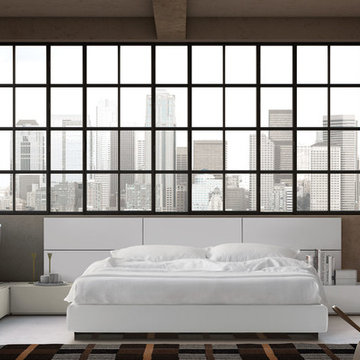
 Hold It Contemporary Home
Pianca Furniture draws upon traditional local craft, channelling over 500 years of carpentry along the banks of the Pianca stream. Building on its strong history, Pianca combines experience and innovation to bring the culture of modern design to the world.
The People collection provides many solutions with a simple and functional system of modular units.
Wall panels, bedframes, platforms and storage units can be aligned and incorporated as Required, creating harmonious combinations of colours, materials and shapes. Focuses on people, their creativity and their wishes.
 Star Furniture
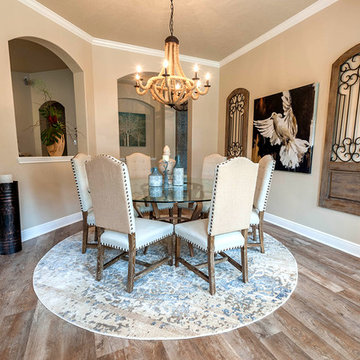
Products Featured:
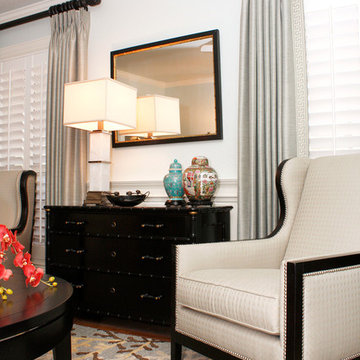
- Duke Upholstered Side Chair (St:414356)
- Magnolia Home Rug
- Accessories from Star Furniture
Find these items on www.starfurniture.com.
Contact Mary Strong for more details:
Mary Strong, Interior Designer
Star Furniture
16666 Barker Springs Road, Houston, TX
281-492-5494
mstrong@starfurniture.com
Mary has over 20 years of experience in residential and commercial interior design. She holds a Bachelor of Science from Nesbitt School of Design at Drexel University.
Strong relocated to the Houston area in 2008 from New York, and loves the diversity of Houston because it allows her to work with many different home styles. She enjoys interacting with people, and her skills and experience create beautiful results for her new and returning clients.
Mary's preferred style is what she calls 'today's traditional.' "It" is a mix of old and new, a fresh version of traditional design. One of her specialties is window treatments. She works closely with Star's drapery designers to create custom treatments for her clients' homes.
Contact Mary today for your complimentary design consultation service.
 Star Furniture
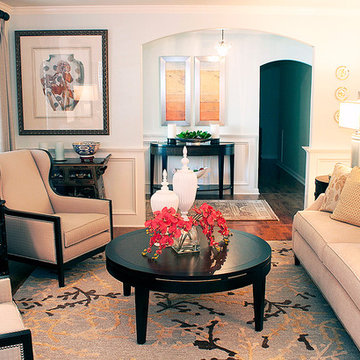
Meet Mary Strong.
Mary has over 20 years experience in residential and commercial interior design. She holds a Bachelor of Science degree from Nesbitt School of Design at Drexel University.
Strong relocated to the Houston area in 2008 from New York, and loves the diversity of Houston because it allows her to work with many different home styles. She enjoys interacting with people, and her skills and experience create beautiful results for her new and returning clients.
Mary's preferred style is what she calls “today's traditional.” It is a mix of old and new; a fresh version of traditional design. One of her specialties is window treatments. She works closely with Star's drapery designers to create custom treatments for her clients' homes.
Contact Mary Strong and let her know that you found her on Houzz.com.
Webpage: https://www.starfurniture.com/mary-strong
Address: Star Furniture, 16666 Barker Springs Road, Houston, TX
Phone: 281-492-5494
Email: mstrong@starfurniture.com
 Altra Home Decor
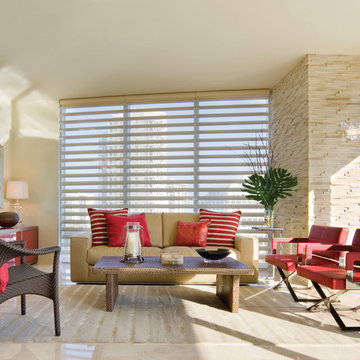
Hunter Douglas Pirouette® Window Shadings in Living Room
Living room - mid-sized traditional formal and open concept travertine floor living room idea in Phoenix with beige walls, no fireplace and no tv
Living room - mid-sized traditional formal and open concept travertine floor living room idea in Phoenix with beige walls, no fireplace and no tv
 Star Furniture
Meet Mary Strong.
Mary has over 20 years experience in residential and commercial interior design. She holds a Bachelor of Science degree from Nesbitt School of Design at Drexel University.
Strong relocated to the Houston area in 2008 from New York, and loves the diversity of Houston because it allows her to work with many different home styles. She enjoys interacting with people, and her skills and experience create beautiful results for her new and returning clients.
Mary's preferred style is what she calls “today's traditional.” It is a mix of old and new; a fresh version of traditional design. One of her specialties is window treatments. She works closely with Star's drapery designers to create custom treatments for her clients' homes.
Contact Mary Strong and let her know that you found her on Houzz.com.
Webpage: https://www.starfurniture.com/mary-strong
Address: Star Furniture, 16666 Barker Springs Road, Houston, TX
Phone: 281-492-5494
Email: mstrong@starfurniture.com
Sponsored
Columbus, OH
Wannemacher Interiors
Customized Award-Winning Interior Design Solutions in Franklin Cnty OH
 Hold It Contemporary Home
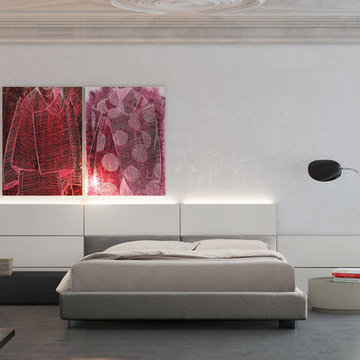
Pianca Furniture draws upon traditional local craft, channelling over 500 years of carpentry along the banks of the Pianca stream. Building on its strong history, Pianca combines experience and innovation to bring the culture of modern design to the world.
The People collection provides many solutions with a simple and functional system of modular units.
Wall panels, bedframes, platforms and storage units can be aligned and incorporated as Required, creating harmonious combinations of colours, materials and shapes. Focuses on people, their creativity and their wishes.
 Star Furniture
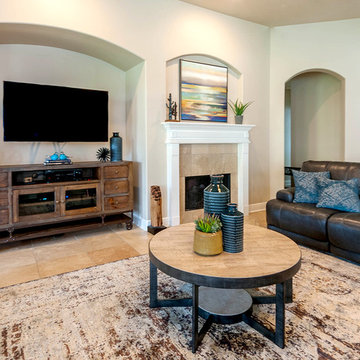
Products featured:
- Rio Vista TV/Media Console - 76" (ST:464983)
- Stampede Reclining Power Leather Sofa (ST:422613)
- Mill Valley Round Cocktail Table (ST:427705)
All accessories and rugs come from Star Furniture.
Find these items on www.starfurniture.com or contact
Mary Strong, Interior Designer, for more details:
Star Furniture
16666 Barker Springs Road, Houston, TX
281-492-5494
mstrong@starfurniture.com
Mary has over 20 years of experience in residential and commercial interior design. She holds a Bachelor of Science from Nesbitt School of Design at Drexel University.
Strong relocated to the Houston area in 2008 from New York, and loves the diversity of Houston because it allows her to work with many different home styles. She enjoys interacting with people, and her skills and experience create beautiful results for her new and returning clients.
Mary's preferred style is what she calls "today's traditional." It is a mix of old and new, a fresh version of traditional design. One of her specialties is window treatments. She works closely with Star's drapery designers to create custom treatments for her clients' homes.
Contact Mary today for your complimentary design consultation service.

 Charmean Neithart Interiors
The homeowners of this California Cottage wanted a beach vibe in their 1700 sq. ft. home. They wanted to make the most of their spaces by widening doorways, adding wood floors throughout the house, and adding a skylight. The result is cozy, casual California living at its best with frequent family dinners and celebrations with friends.
Photos by Erika Bierman www.erikabiermanphotography.com
 Star Furniture
Meet Mary Strong.
Mary has over 20 years experience in residential and commercial interior design. She holds a Bachelor of Science degree from Nesbitt School of Design at Drexel University.
Strong relocated to the Houston area in 2008 from New York, and loves the diversity of Houston because it allows her to work with many different home styles. She enjoys interacting with people, and her skills and experience create beautiful results for her new and returning clients.
Mary's preferred style is what she calls “today's traditional.” It is a mix of old and new; a fresh version of traditional design. One of her specialties is window treatments. She works closely with Star's drapery designers to create custom treatments for her clients' homes.
Contact Mary Strong and let her know that you found her on Houzz.com.
Webpage: https://www.starfurniture.com/mary-strong
Address: Star Furniture, 16666 Barker Springs Road, Houston, TX
Phone: 281-492-5494
Email: mstrong@starfurniture.com
Sponsored
Columbus, OH
Wannemacher Interiors
Customized Award-Winning Interior Design Solutions in Franklin Cnty OH

 Five Star Tree Care
You might have heard the expression “strong as Oak” somewhere before. Although this saying might make you think it is talking about the strong physical attributes of the tree; like the storm-resistant trunk or the strong root system, it is actually referring to something deeper than that. Five Star Tree Services is here to dive deep into the ancient history of this magnificent tree!
Throughout Greek mythology and time, the Oak tree has continuously been represented as a symbol of wisdom. It has also been the embodiment of time, strength, and wisdom. The Greeks have linked the oldest oak tree, which surpassed 300 years old, as Zeus, the God of Thunder.
When we talk about this tree outside of all the symbolism it represents, it also has many other useful uses for us and animals as well. This includes things like having a strong root system that aids against erosion, producing acorns that feed farm animals, very strong wood that we can use for furniture, bringing beauty to any yard, and being a good home for wildlife.
This particular tree is easy to spot amongst many others. You can depict an Oak tree by the iconic broad canopy, multi pointed leaves, and strong branches coming from the trunk. At full maturity, these trees stretch out as much as they get tall. Meaning that these trees are perfect for hanging swings, providing plenty of shade, or partake in a lovely family picnic.
Oak trees are probably the most well-known and famous trees in the world. This is due to all the people who love the overall look of the tree, history, and symbolism. This tree is depicted throughout history and also has appeared in some of Hollywood’s movies. You may have seen the movie Forrest Gump and might have noticed a big beautiful tree with a couple different scenes. The Oak tree appears in the movie for the scene where Forrest and Jenny are kids and sitting on a low hanging branch. In another scene, you get to see a row of oaks and the iconic scene of “run Forrest, run”. As well as at the end of the movie where Forrest has Jenny buried. Throughout this movie, the Oak tree symbolizes strength and at-home consistency.
If you are thinking about planting one of these majestic trees, you are going to need to seriously consider the placement of the permanent location where this tree will stay for its whole life. You need to think about the future growth of this tree and make accommodations for how big and wide it will get. This means thinking hundreds of years into the future and planning accordingly.
Maintaining this magnificent tree is a necessity for its longevity, overall aesthetic, and for safety reasons. It will require a full pruning every couple of years and yearly fertilization in order to give the Oak tree the best care possible and to help it last many lifetimes.
How Five Star Tree Service Can Help
Oak trees are very symbolic, strong, and beautiful trees. When given enough room for growth, they are perfect for any home! This tress will leave a legacy for many generations to see and behold. If you have been contemplating adding this beautiful tree to your property, Five Star Tree Services would love to help you with our Toronto Tree Planting services! Our highly knowledgeable team will be able to assist you in choosing the perfect location for this tree and of course, planting it for you! If you are interested in our services, give us a call today at (416) 990-3355. To learn more, check out our website for more information.
 Business_Name_Placeholder
?? 24/7 Support
⭐️ Top-Rated Service
? Fast Response
? Premium Quality
✈️◆► Telegram: @Pvatopzone
?◆► WhatsApp: +1 (579) 550-8030
?◆► Discord: accountservice
✈️◆► https://t.me/Pvatopzone
?◆► Email: Pvatopzone@gmail.com

 safe ZOnea
Staging a home for sale or for a major transition is a strange in-between state. You are still living in the space, but you are also preparing it to impress strangers, support showings, and remain functional until the final move-out day. That tension between “home” and “product” is where storage quietly becomes one of your smartest tools. Used well, storage lets you reduce clutter, protect important items, and create the kind of rooms that photograph beautifully and feel calm when buyers walk through the door.
A staged move is rarely just about shifting boxes from one address to another. It is about managing timing, presentation, and stress at the same time. When storage is built into the plan from day one, the entire process feels less rushed and more strategic. Rooms open up gradually, essentials stay accessible, and you never feel like you are drowning in half-packed chaos. Understanding how to use storage as a staging partner, not just a place to dump excess stuff, is what turns a messy transition into a controlled, professional-looking move.
Why Storage Is the Backbone of Every Staged Move
Visual space is emotional space. When every surface is covered, and every corner is full, buyers feel crowded before they have even evaluated the layout. Storage gives you a way to pull back without making drastic decisions about what to keep or donate. Seasonal décor, bulky furniture, duplicate items, archives, and personal collections can be moved out early, so the home reads cleaner and more open while still feeling lived-in. That balance between warmth and simplicity is exactly what good staging tries to achieve.
In more complex situations, such as live-work properties or home offices, storage becomes even more important. You may need to keep a business running while also presenting a polished environment to viewers. Partnering with local movers in Boston makes it easier to shift equipment, files, and nonessential pieces into storage in phases, so work can continue while the visible areas of the property stay controlled and presentable.
How Staging and Storage Work Together to Control Visual Impact
Staging works best when every object in a room has a clear purpose. A sofa frames a conversation. A table suggests gathering. A lamp softens the mood. Everything else that is not essential to that story competes for attention. Storage supports staging by giving you a clean staging bench off-site, where nonessential items can wait without being constantly shuffled between rooms or piled into overstuffed closets.
The art lies in deciding what stays and what goes. Family photos, extensive collections, excess seating, and rarely used appliances often move into storage first. What remains should be enough to show scale, comfort, and function without revealing the full weight of daily life. Commercial properties go through a similar filtering process. Extra desks, surplus equipment, outdated signage, and inactive files often move out early so the active workspace feels lean, efficient, and future-ready before a relocation supported by commercial movers takes place.
Strategic Timing of Storage before the Actual Move
The worst time to think about storage is when boxes are already stacked in the hallway. In a staged move, storage decisions ideally begin as soon as you know the property will be listed or the space will be transitioned. That might be a month or more before the main moving date. Starting early gives you time to sort, label, and prioritize instead of throwing things together in a panic.
An early storage phase also helps you test how the home feels with less in it. You may discover that removing a few large pieces transforms a cramped room into an open, inviting space. For commercial spaces, early storage lets operations continue with fewer interruptions. Departments can send nonessential items out in waves. When the main relocation comes, much of the excess is already safely stored, and what remains is easier for a commercial movers Boston team to handle with speed and care.
The Emotional Psychology behind Letting Storage Hold Your Belongings
Letting belongings leave the house ahead of you can feel unsettling. There is always a quiet fear that once something is out of sight, it will be forgotten, damaged, or harder to reclaim. That is why some people resist using storage even when they know it would make the staging process easier. Acknowledging that emotion instead of dismissing it helps you plan more honestly and avoids last-minute regret.
The reality is that good storage is not a black hole; it is a temporary pause. When items are packed thoughtfully, labeled clearly, and placed in an environment you trust, they become easier to manage than when they are tucked into random cupboards or stacked in spare rooms. For many people, living with fewer visible possessions during staging actually reduces tension. The home feels lighter and easier to maintain. Businesses notice the same effect when storage removes outdated equipment and clutter from the floor. The workspace looks more focused, and staff can concentrate on current tasks instead of navigating around accumulated history.
Protecting Assets While They Live in Storage
Sending belongings into storage is only a good idea if they come back in the same or better condition. That is where quality control matters. Furniture, textiles, electronics, files, and artwork each have different vulnerabilities. Moisture, temperature swings, dust, and rough handling can all damage them in ways that only become obvious later. Choosing the right type of storage and packing accordingly is central to the genius of using storage as part of a staged move rather than as a desperate overflow container.
Climate-controlled units, padded wrapping, elevated pallets, careful stacking, and clearly marked boxes all reduce risk. The goal is to handle items fewer times, not more. When storage is integrated into the move plan, belongings can travel directly from the home to storage and later from storage to the new address with minimal extra movement. Many owners coordinate those transfers through a well trusted movers in Boston, so the same team that moves items out early also manages their final delivery, preserving continuity and accountability.
How Storage Reduces Risk during Multi-Phase Moves
Few staged moves happen in a single clean step. There are often gaps between listing and selling, between selling and closing, between closing and final move-out. If renovations, inspections, or office reconfigurations are involved, the timeline becomes even more layered. Storage absorbs those gaps, so you are not forced to live among towers of boxes or stack equipment in hallways waiting for the next phase.
By treating storage as a flexible middle ground, you can move things out gradually while still having access when needed. For example, archived files can go first, followed by seasonal décor, then surplus furniture. As each stage ends, fewer items remain to be shifted on the final date. This phased approach reduces the risk of rushed, late-night packing sessions, careless stacking, and damaged items. It also makes it easier for commercial moving crews to work efficiently because they are handling a manageable volume of goods at each phase rather than everything at once.
Using Storage to Maintain Clean Show-Ready Conditions
One of the hardest parts of staging is keeping the property consistently show-ready. Every viewing becomes its own small event. Floors need to be cleared, surfaces wiped, and personal items tucked away. When too many belongings remain in the home, each showing takes a heavy amount of effort. Storage cuts that workload dramatically by taking nonessentials completely off the stage.
With fewer items to move and hide, maintaining a neutral, inviting look becomes much more realistic. You are not scrambling to stuff things into closets or push items under the bed. Instead, the home sits closer to show condition all the time, and the final touches before a viewing are minimal. In commercial environments, using storage helps maintain a professional appearance for clients and staff, even while the space is being prepared for a larger transition. Active tools and furniture stay in play, while inactive pieces quietly support the future from storage.
Storage as a Strategic Tool in Business Relocation Planning
For businesses, storage is more than a convenience; it is part of risk management. Office relocations and staged commercial moves have to juggle lease deadlines, equipment deliveries, IT cutovers, and staffing realities. Trying to shift everything in one move often results in downtime, lost files, and strained teams. Storage turns the move into a series of controlled steps instead of a single disruptive jump.
Unused furniture, archived documents, and non-critical inventory can be moved into storage weeks ahead of the main relocation. As the new space becomes ready, items can move out of storage and directly into position. This reduces double-handling and keeps the old and new locations from filling with half-unpacked material. A business that coordinates these flows with professional commercial movers in Boston usually experiences smoother transitions, because storage is treated as a working part of the operational plan rather than a leftover problem.
The Hidden Cost Benefits of Proper Storage Planning
On paper, storage looks like an extra expense. In reality, poorly managed moves cost far more. When everything is rushed into boxes at the last minute, items are damaged, misplaced, or transported multiple times. Extra labor hours, emergency packing supplies, replacement furniture, and extended timelines quickly outweigh the cost of well-used storage. Staging without storage also tends to keep homes and offices crowded longer, which can hurt impressions and, in the case of a sale, influence offers.
When storage is integrated from the beginning, you minimize waste. You handle items fewer times, you know where things are, and you avoid paying people to shift the same objects repeatedly. Staged homes that look better often sell faster or draw stronger interest, which helps recover investment on the back end. Businesses benefit from less downtime, safer handling of equipment, and predictable work schedules. Those gains are why many clients prefer partnering with a commercial moving company in Boston that understands storage as a cost-control tool, not just a place to park overflow.
Conclusion
The true genius of using storage during a staged home move is that it quietly rewrites the rules of transition. Instead of treating space as something that must absorb every box and belonging until the last possible moment, you treat storage as a flexible extension of the home or office. This shift in thinking opens rooms, clears sightlines, and makes every phase of the move more intentional. Staging becomes easier, maintenance becomes lighter, and the stress of living in a half-moved environment drops noticeably. When storage is chosen carefully, used early, and coordinated with the overall moving plan, it protects both physical assets and emotional energy. Buyers and visitors see a calm, collected space. You experience a less chaotic path from “here” to “there.” Whether you are selling a home, repositioning a business, or managing a complex phased relocation, storage can turn a disruptive event into a managed, almost elegant process.
For people who want that level of control and care during a staged move, Stairhopper movers have built a strong reputation by treating storage, timing, and transport as parts of one connected strategy. Their team is known for listening closely, planning around real-life constraints, and moving both residential and commercial clients through transitions with calm, steady execution. They approach every project as a partnership, aligning storage use, staging needs, and final delivery so that what matters most arrives safely, on schedule, and with as little disruption as possible.
Frequently Asked Questions
Q1. When should I arrange storage for a staged home move?
Ideally, four to six weeks before listing or transition, so clearing, packing, and staging can happen gradually without rushed decisions or last-minute stress.
Q2. Is climate-controlled storage necessary for staged moves?
It is highly recommended for wood furniture, electronics, artwork, and documents, since temperature and humidity swings can quietly damage materials over time.
Q3. How does storage help keep a home show-ready?
By moving nonessential items off-site, daily tidying becomes simpler, and each room can stay closer to a staged condition between viewings or inspections.
Q4. Can storage reduce the length of the final moving day?
Yes. When many items are moved into storage in advance, the final moving day focuses on essentials, which shortens timelines and reduces physical and mental strain.
Q5. Is storage useful for short-term business relocations?
Even in short relocations, storage helps prevent overcrowded offices and allows departments to move in phases without interrupting everyday operations.
Q6. How do I decide what should go into storage first?
Start with rarely used items, seasonal décor, surplus furniture, and archived materials, then work toward pieces that are visually distracting or make rooms feel cramped.
Q7. Will using storage make it harder to find things later?
Not if packing and labeling are done carefully. Clear categories, room-based labels, and simple inventories make stored items easier to locate than when scattered at home.
Q8. Does storage still make sense if my move happens in one day?
Yes, because staging and preparation begin well before that day. Storage keeps the home functional and attractive during the weeks leading up to the final move.
8