
Search results for "Symbols" in Home Design Ideas


 Diamante Custom Homes
Example of a mid-sized transitional wooden curved metal railing staircase design in Austin with tile risers


Find the right local pro for your project


 A. B. Lake Construction Corp.
Example of a mid-sized tuscan marble floor foyer design in New York with a metal front door

 John Siemering Homes
. Custom Home Builder in Austin, TX
Inspiration for a huge mediterranean staircase remodel in Austin with a medium wood front door
Inspiration for a huge mediterranean staircase remodel in Austin with a medium wood front door

 jim_outlaw
Photo by mosaic artist, Jim Outlaw.
36" Texas Star Medallion cut from glazed Italian porcelain and ceramic tiles. Custom made to match surrounding floor tiles.

 Hackley & Associates Architects, Inc.
Inspiration for a large timeless indoor rectangular lap pool remodel in Chicago
 Sprig
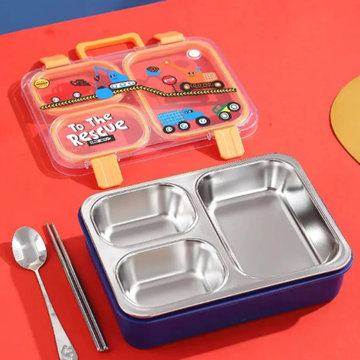
A bento box is more than just a lunch container—it’s a reflection of Japanese culture, mindful eating, and balanced nutrition. Traditionally used in Japan, bento boxes have gained global popularity due to their practicality, aesthetic appeal, and ability to promote healthy eating habits.
What Is a Bento Box?
A bento box is a single-portion packed meal, neatly arranged in a compartmentalized container. The word “bento” originates from the Chinese term meaning convenient, which perfectly describes its purpose. A typical bento includes rice or noodles, protein like fish, meat, or tofu, and a variety of vegetables or side dishes, all placed in separate sections to maintain flavor and presentation.
Cultural Significance of Bento Boxes
In Japan, bento boxes represent care, effort, and balance. Parents often prepare bento meals for their children as a symbol of love, while office workers rely on them for nutritious meals during busy days. Special versions like ekiben (railway station bento) and character bento (decorated meals shaped like animals or cartoons) highlight the creativity and cultural importance of bento-making.
Health Benefits of Using a Bento Box
One of the biggest advantages of a bento box is its role in portion control and balanced nutrition. Since the box has fixed compartments, it encourages variety without overeating. A well-prepared bento typically follows the principle of:
40–50% carbohydrates
30–40% vegetables
20–30% protein
This balance helps maintain energy levels, supports digestion, and reduces the reliance on unhealthy fast food.
Modern Bento Boxes and Their Uses
Today’s bento boxes are designed to suit modern lifestyles. They are available in microwave-safe, leak-proof, and eco-friendly materials such as stainless steel, BPA-free plastic, and bamboo fiber. Many come with insulated layers, sauce containers, and cutlery, making them ideal for:
Office lunches
School meals
Travel and picnics
Fitness and meal-prep routines
With the rise of sustainable living, reusable bento boxes also help reduce single-use plastic waste.
Bento Boxes in Everyday Life
Bento boxes are no longer limited to Japanese cuisine. People worldwide use them to pack Indian, Western, vegan, or keto meals. From chapati and sabzi to pasta and salads, bento boxes adapt easily to different food preferences while keeping meals fresh and organized.
Why Bento Boxes Are So Popular Today
The popularity of bento boxes is driven by busy schedules, health awareness, and social media trends. Platforms like Instagram and Pinterest showcase beautifully arranged bento meals, inspiring people to eat better and enjoy the process of food preparation. They combine functionality, aesthetics, and mindfulness, making meals more enjoyable.
Conclusion
A bento box is a smart and stylish way to enjoy homemade meals while staying healthy and organized. Whether you’re looking to improve your diet, save money, or reduce environmental impact, a bento box offers a simple yet effective solution. With its deep cultural roots and modern versatility, the bento box continues to be a timeless companion for everyday meals.


 MARGARITA BRAVO
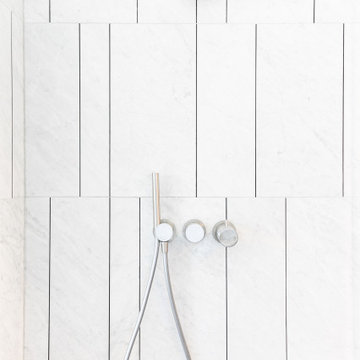
This master bathroom is an oasis of clean, bright design with an abundance of natural light. Our Miami clients wanted a contemporary space, and we gave them hyper modernism with custom materials imported from Italy. A glass walk-in shower with sleek fixtures is a subtle touch to balance the dramatic artwork. Our favorite feature in this master bath is the hand-made mosaic micro tile wall.
---
Project designed by Miami interior designer Margarita Bravo. She serves Miami as well as surrounding areas such as Coconut Grove, Key Biscayne, Miami Beach, North Miami Beach, and Hallandale Beach.
For more about MARGARITA BRAVO, click here: https://www.margaritabravo.com/
To learn more about this project, click here:
https://www.margaritabravo.com/portfolio/englewood-master-bath-renovation/
 Boyenga Team / Compass
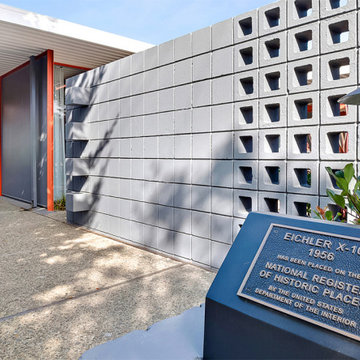
Eichler X-100: A Nationally Recognized Architectural Landmark
The Eichler X-100 holds a rare distinction in residential real estate—it is listed on the National Register of Historic Places, recognizing it as a property of exceptional architectural and cultural significance in the United States.
This designation places the X-100 among a select group of homes that have not only endured over time, but have helped define the evolution of modern living.
What the National Register Means
The National Register of Historic Places is the official list of the nation’s most important historic resources—properties that embody significant contributions to architecture, history, and culture.
For the Eichler X-100, this recognition affirms:
Its role as a groundbreaking experimental prototype
Its importance within the broader movement of California Modernism
Its association with visionary figures like Joseph Eichler, A. Quincy Jones, and Frederick Emmons
It is not simply a well-designed home—it is a documented piece of architectural history.
A Rare Level of Integrity
One of the key factors in the X-100’s designation is its remarkable level of preservation. Over the decades, the home has been carefully maintained and thoughtfully updated to respect its original vision.
Important defining features remain intact, including:
The steel-frame structural system
The open, garden-centered floor plan
Skylights and natural light strategies
Signature material palette of steel, glass, and laminate
This continuity allows the home to be experienced today much as it was in 1956.
Preservation Without Limitation
A common misconception is that National Register status restricts ownership—but for private residences, this is not the case.
The designation:
Does not limit private ownership or resale
Does not impose federal restrictions on modifications (unless federal funding is involved)
May offer potential incentives or recognition for preservation efforts
Instead, it serves primarily as a recognition of significance, elevating the property’s status in both cultural and real estate contexts.
A Collector-Level Opportunity
For buyers, National Register status adds a layer of meaning that goes beyond square footage or location. It signals that the property is:
Architecturally important
Historically documented
Extremely rare within the marketplace
Homes like the Eichler X-100 are often viewed as “trophy properties”—assets that combine lifestyle, design, and long-term cultural value.
Stewardship of a Legacy
Owning a National Register home like the Eichler X-100 is not just about possession—it’s about participation in a larger story.
It means becoming part of a lineage of stewards who understand the importance of:
Preserving architectural intent
Respecting design integrity
Carrying forward a vision that helped shape modern living
The Significance Today
Nearly 70 years after its debut, the Eichler X-100 continues to stand as a symbol of innovation, optimism, and design excellence.
Its listing on the National Register of Historic Places ensures that its story is recognized—but its future will always depend on those who choose to own and care for it.
The Eichler X-100 is not just a home on a list.
It is a recognized landmark of modern architecture—now ready for its next chapter. Image Sabrina Huang

 PB Kitchen Design
Detail of steel hood
Eat-in kitchen - large traditional l-shaped medium tone wood floor eat-in kitchen idea in Chicago with an undermount sink, flat-panel cabinets, green cabinets, quartz countertops, beige backsplash, stone tile backsplash, stainless steel appliances and an island
Eat-in kitchen - large traditional l-shaped medium tone wood floor eat-in kitchen idea in Chicago with an undermount sink, flat-panel cabinets, green cabinets, quartz countertops, beige backsplash, stone tile backsplash, stainless steel appliances and an island


 European Landscapes & Design
Paul North Photogrophy
This is an example of a traditional landscaping in Baltimore.
This is an example of a traditional landscaping in Baltimore.


 Smith Brothers
Wood carvings and details in Hawaii.
Inspiration for a tropical u-shaped kitchen remodel in Hawaii with medium tone wood cabinets and paneled appliances
Inspiration for a tropical u-shaped kitchen remodel in Hawaii with medium tone wood cabinets and paneled appliances

 QMA Architects
 & Planners
Historic Marven Gardens
Example of a mid-sized tuscan beige two-story stucco exterior home design in Philadelphia with a hip roof
Example of a mid-sized tuscan beige two-story stucco exterior home design in Philadelphia with a hip roof
92