

Basic question: maturation times
15 years ago
Sort by:Oldest
Comments (5)
Related Stories
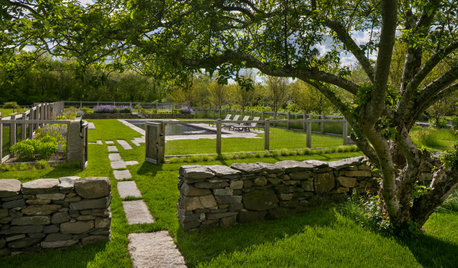
GARDENING GUIDESHow to Keep Your Trees Healthy
Ensure your trees’ vigor for years to come with these tips for protecting roots, watering effectively and more
Full Story
WORKING WITH PROS10 Questions to Ask Potential Contractors
Ensure the right fit by interviewing general contractors about topics that go beyond the basics
Full Story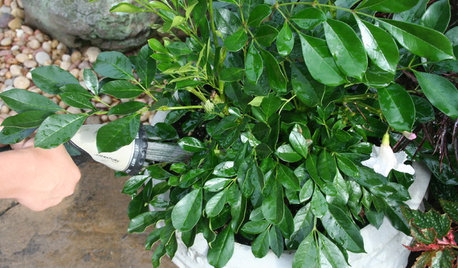
CONTAINER GARDENSContainer Garden Basics: How and When to Water Potted Plants
Confused about soil moisture, the best time to water and what watering device to use? This guide can help
Full Story
WORKING WITH PROSGo Beyond the Basics When Interviewing Architects
Before you invest all that money and time, make sure you and your architect are well matched beyond the obvious levels
Full Story
WORKING WITH PROS8 Questions to Ask Yourself Before Meeting With Your Designer
Thinking in advance about how you use your space will get your first design consultation off to its best start
Full Story
GARDENING GUIDESNo-Regret Plants: 5 Questions Smart Shoppers Ask
Quit wasting money and time at the garden center. This checklist will ensure that the plants you're eyeing will stick around in your yard
Full Story
LIGHTING5 Questions to Ask for the Best Room Lighting
Get your overhead, task and accent lighting right for decorative beauty, less eyestrain and a focus exactly where you want
Full Story
KITCHEN DESIGN9 Questions to Ask When Planning a Kitchen Pantry
Avoid blunders and get the storage space and layout you need by asking these questions before you begin
Full Story
Easy Green: 6 Must-Answer Questions Before You Buy
Thinking about buying ecofriendly furniture? For a truly environmentally conscious home, ask yourself these questions first
Full Story
SELLING YOUR HOUSE15 Questions to Ask When Interviewing a Real Estate Agent
Here’s what you should find out before selecting an agent to sell your home
Full Story



bsntech
farmerdill
Related Professionals
Fort Myers Landscape Architects & Landscape Designers · Killeen Landscape Architects & Landscape Designers · Davenport Landscape Architects & Landscape Designers · Potsdam Landscape Architects & Landscape Designers · Scranton Landscape Architects & Landscape Designers · Las Vegas Landscape Architects & Landscape Designers · Gaithersburg Landscape Contractors · Cherry Hill Landscape Contractors · Portsmouth Landscape Contractors · Ithaca Landscape Contractors · Lake City Accessory Dwelling Units · Spring Accessory Dwelling Units · Augusta Accessory Dwelling Units · Santa Rosa Accessory Dwelling Units · Grand Junction Accessory Dwelling Unitsgrandad_2003
wordwiz
Donna