

True or False
16 years ago
Sort by:Oldest
Comment (1)
Related Stories
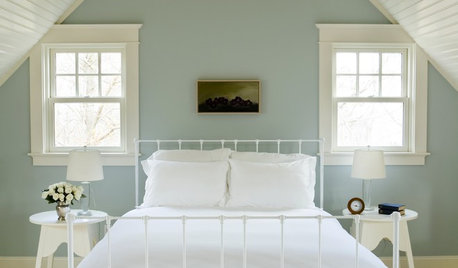
COLOR12 Tried-and-True Paint Colors for Your Walls
Discover one pro designer's time-tested favorite paint colors for kitchens, baths, bedrooms and more
Full Story
HOUSEKEEPING10 Things Neat Freaks Know to Be True
Do you err on the incredibly tidy side? Then you probably already live by these nuggets of neat wisdom
Full Story
SMALL HOMESTiny Houzz Tour: Living the Good Life Their Way
This owner-built home in Australia may be on the small side, but it provides the perfect space for the family’s big dreams to come true
Full Story
REMODELING GUIDES7 Bad Things Your Home May Be Hiding
What you don't know about your home could cost you during a remodel. Here's what to plan for
Full Story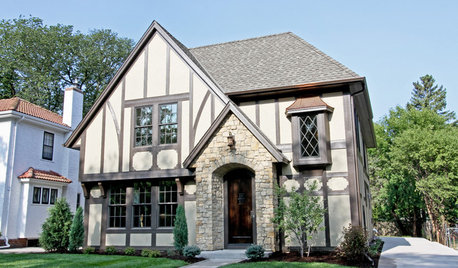
ROOTS OF STYLERoots of Style: The Indelible Charm of American Tudors
Rich details and an intimate scale give this English-inspired architectural style memorable character and flexibilty
Full Story
TRADITIONAL STYLEFarmhouse Style: Windmill Power Comes Around Again
Windmills helped win the West. Today these hardworking features are still winning our hearts
Full Story
BASEMENTSDesign Workshop: Is It Time to Let Basements Become Extinct?
Costly and often unnecessary, basements may become obsolete — if they aren’t already. Here are responses to every reason to keep them around
Full Story
MOST POPULARHow to Get Rid of Those Pesky Summer Fruit Flies
Learn what fruit flies are, how to prevent them and how to get rid of them in your home
Full Story
GREEN BUILDINGHouzz Tour: Going Completely Off the Grid in Nova Scotia
Powered by sunshine and built with salvaged materials, this Canadian home is an experiment for green building practices
Full Story
HOUZZ TOURSHouzz Tour: A Home Full of History and Surprise
Minnesota designer remodels a historic residence using traditional styles and techniques
Full Story

tapla (mid-Michigan, USDA z5b-6a)
Related Professionals
Williamsport Landscape Architects & Landscape Designers · Bennington Landscape Architects & Landscape Designers · Tucson Landscape Architects & Landscape Designers · Palm Desert Landscape Architects & Landscape Designers · Worthington Landscape Contractors · Fargo Landscape Contractors · Wausau Landscape Contractors · Waycross Home Builders · St. Louis Home Builders · Elizabeth City Home Builders · Myrtle Beach Home Builders · Kearney Home Builders · Denver Home Builders · Mesquite Home Builders · Pocatello Home Builders