

Alfalfa pellet question
14 years ago
Sort by:Oldest
Comments (6)
Related Stories
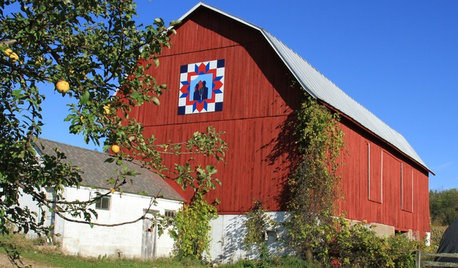
ARTBarn Quilts Piece Together a Community
One man with one beautiful idea transforms Wisconsin’s Shawano County
Full Story
PETSSo You Want to Get a Cat
If you're a cat lover, the joys outweigh any other issue. If you haven't lived with one yet, here are a few things to know
Full Story

EDIBLE GARDENSSummer Crops: How to Grow Tomatoes
Plant tomato seedlings in spring for one of the best tastes of summer, fresh from your backyard
Full Story
GARDENING GUIDESLearn the Secret to Bigger and Better Roses
Grow beautiful roses using both ordinary and unusual soil amendments
Full Story
WINTER GARDENINGPruning Secrets for Exquisite Roses
Encourage gorgeous blooms year after year with this time-tested advice on how to prune your rosebush in winter for health and shape
Full Story
GARDENING GUIDESGardening Solutions for Heavy Clay Soils
What’s a gardener to do with soil that’s easily compacted and has poor drainage? Find out here
Full Story
FARM YOUR YARDIf You Have Room for Only One Summer Crop ...
Get an edible that’s long on flavor even if you’re short on space, with a long-time gardener’s favorite picks
Full Story
GARDENING GUIDESHow to Switch to an Organic Landscape Plan
Ditch the chemicals for a naturally beautiful lawn and garden, using living fertilizers and other nontoxic treatments
Full Story
LIVING ROOMSHow to Convert Your Wood-Burning Fireplace
Learn about inserts and other options for switching your fireplace from wood to gas or electric
Full Story

Belgianpup
spaghetinaOriginal Author
Related Professionals
New Haven Landscape Architects & Landscape Designers · Riverside Landscape Architects & Landscape Designers · Salem Landscape Architects & Landscape Designers · Vancouver Landscape Architects & Landscape Designers · Bronx Landscape Architects & Landscape Designers · Augusta Landscape Contractors · Emporia Landscape Contractors · Frederick Landscape Contractors · Cookeville Landscape Contractors · Ithaca Landscape Contractors · Toledo Landscape Contractors · Milwaukee Landscape Contractors · Eugene Landscape Contractors · Palm Desert Accessory Dwelling Units · Cowansville Accessory Dwelling Unitslincann
spaghetinaOriginal Author
barrie2m_(6a, central PA)
oliveoyl3