

Always an adventure...bugs
14 years ago
Sort by:Oldest
Comments (7)
Related Stories
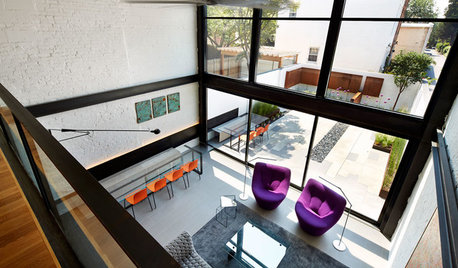
CONTEMPORARY HOMESHouzz Tour: Later in Life, a Bold New Design Adventure
A Washington, D.C., couple in their 70s embark on a new marriage and an innovative renovation of a historic row house
Full Story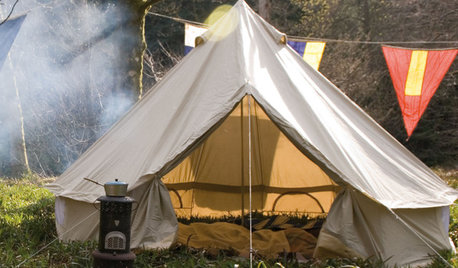
GARDENING AND LANDSCAPINGDiscover the Easy Adventure of Backyard Camping
Enjoy all of the thrills with none of the 'Are we there yet?' when you transform your backyard into a lively campground
Full Story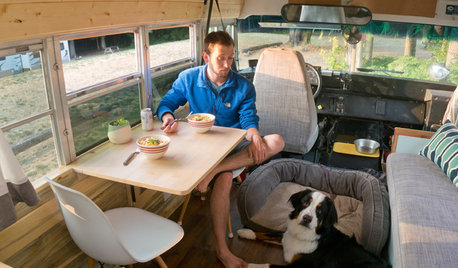
TINY HOUSESAdventure Seekers Hit the Road in a Cozy School Bus Home
Wood floors, butcher block countertops, custom furnishings and LED lights make life on the road feel like just another stylish day at home
Full Story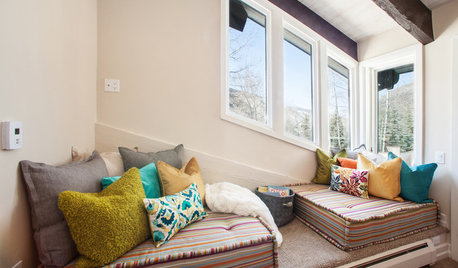
FEEL-GOOD HOMENifty In-Between Nooks for Quiet Time or Adventure
Use hallways, porches and other transitional spaces to add another dimension to your home
Full Story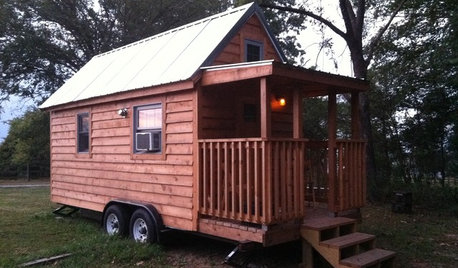
HOUZZ TOURSHouzz Tour: Tiny Home Built for Big Adventure
Newlyweds Evan and Gabby Coulson construct a 117-square-foot home made for the road
Full Story
HOUZZ TOURSHouzz Tour: Cultural Adventure in Newfoundland
Lovingly renovated coastal cottages enhance a trip of a lifetime
Full Story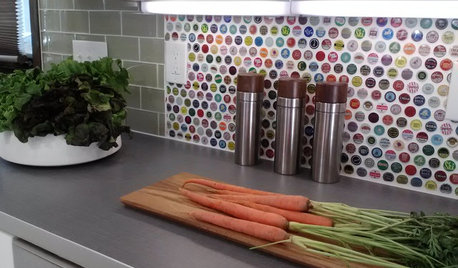
KITCHEN BACKSPLASHES15 Creative Kitchen Backsplashes for the Adventurous
Consider using snow skis, mirrors, bottle caps and other unusual materials for your next kitchen backsplash
Full Story
HOUZZ TOURSMy Houzz: 1903 Victorian Displays Adventurous DIY Style
An interior designer brings her talents for collecting and painting to her family’s Washington home
Full Story
GARDENING AND LANDSCAPINGPorch Life: Banish the Bugs
Don't let insects be the bane of your sweet tea and swing time. These screening and product ideas will help keep bugs at bay on the porch
Full Story
DIY PROJECTS12 Signs You've Caught the DIY Bug
Been making inventive things from scratch? Repurposing salvaged pieces creatively? It may be more serious than you think
Full Story

Robbie3
angiemomma4
Related Professionals
Florence Landscape Architects & Landscape Designers · Anderson Landscape Architects & Landscape Designers · Georgetown Landscape Architects & Landscape Designers · Coldwater Landscape Architects & Landscape Designers · South Sioux City Landscape Architects & Landscape Designers · Platteville Landscape Architects & Landscape Designers · Greensboro Landscape Contractors · Portsmouth Landscape Contractors · Bloomington Landscape Contractors · Reno Landscape Contractors · Montréal Landscape Contractors · Queens Landscape Contractors · Forrest City Accessory Dwelling Units · Greenville Accessory Dwelling Units · Charlottesville Accessory Dwelling Unitslavender_lass
tishtoshnm Zone 6/NMOriginal Author
zzackey
digdirt2
Belgianpup