

Using compost in containers
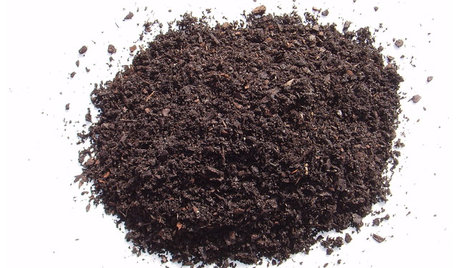
Sorry for my ignorance but can I use compost from my pile in a pot with veggies? I know you are not suppose to use garden soil in pots but I was not sure about compost. For the first time ever I made a pile. Today I checked it and it is nice and fluffy kinda like potting soil in a bag.
Comments (21)
 19 years agolast modified: 11 years ago
Some do that, others prefer not too because that light, fluffy compost isn't done decomposing. In the container it quickly decomposes into smaller and smaller particles and ends up clogging air spaces the same way regular garden dirt does in a container.
Having said that some plants like vigorous veggies (tomatos for example) seem to do fairly well in such a growing medium. I suspect it is because they are strong rooters and when large will consume a couple gallons of water per day.
I wouldn't recomend you 'bet the farm' on compost in containers, but I see no reason why you couldn't give it a try if you are so inclined with a plant or two and see what your own results are. Maybe for fun grow the same plant in a regular potting mix as well and compare how they each do.
- 19 years agolast modified: 11 years ago
I have been looking for evidence and studies on this issue off and on for a while. Published industry, technical, or academic references about a method or benefits of its actual use IN CONTAINERS have been scarce (not uncharacteristics of either the green or organic communities), and this bias comes from someone who has been practicing "organic" and being "green" before they were accepted, fashionable, and marketable but just reformed in a more evidence-based way. Lets just say you can use compost in soilless containers but with some risks of root failure (high salts and poor drainage) depending on how mature (or finished) the compost is. Furthermore, the use of compost in containers isn't necessary, better (not established), or the best way to grow healthy, nutritious flavorable (or "organic"), environmental-friendly, and high-yield crops as proven by large and small scale hydroponics inclusive of many simple low tech passive hydroponic systems. Similarly, I also have been gathering data about fertilizers and in majority of cases, I found chemical hydroponic nutrients have less heavy metals than either the organic or soluble chemical fertilizers.
I lost one gardenia repotted with 50% homemade compost (by small and mostly anaerobic method and not vermi) in a soilless mix (the gardenia died quickly like overnight and had no chance of being revived) a while back on my first try. Since then, I only lightly mulch my container ornamentals, strawberries, and cut-and-grow lettuce and vegetables with compost for the purposes of reducing the lost of perlite from downpour and for some minor moisture and temperature controls in buffering exposure to any weather and temperature extremes and perhaps only minimally for fertilizing the soilless mix for the purpose of providing beneficial microbes in converting organic materials into useable soluable nutrients for the roots. While such enhanced decomposition process is beneficial in one sense, organic fertilizers are inefficient way to feed container plants (balanced beneficial conversion has to take place) and can be a detriment where the rate of soil compaction is increased due to reduced soil aeration and drainage. Enhanced soil porosity and aeration are crucial for the health of container plants and the long-term success of growing plants in containers in contrast to ground-based horticulture.
A digression on compost and a side note about gardening organically. I do supplement essential vitamins and micronutrients in building the immunity of my plants with homemade composted seaweed solution as well (don't know how organic the edible seaweed sources are, however). My four container roses (different varieties) have been very healthy over more than a year since I cared for them. I'm so inspired and happy every time this unskilled gardener sees unblemished perfect leaves that exude vitality. I have not even done any of the recommended seasonal preventative fungal sprays. I just noticed the same progress yesterday about the leaves on my honeysuckle (and two different baby lemmon trees started from seeds), but I can't claim credit for the honeysuckle because is not high maintenance and receives less fertilizer and care than roses, yet I enjoy the fragrance just as much if not more.
I just experimented sowing seeds in compost. The spinach sown in my compost germinated faster than seeds sown in un-amended potting mix (zero sign yet) from the bag. A logical explanation for the difference in germination rate could be that if mature spinach seedlings prefer an alkaline growing medium, the seeds may germinate better in similar pH, which would make sense in this case in that composts generally are more alkaline than peat-based potting mix. Because the seeds are not sown in the same types of containers, a conclusion cannot be made reasonably, however. On the other hand, the ones that have not germinated are sown in more protected environment in enclosed recycled clear plastic egg cartons (similar to propagation chambers).
Cityfarmer.org and rooftopgardens.ca use composts and vermicompost in their containers. Cityfarmer's technique is to use vermicompost on the bottom of the planter topped and separated by a layer of soiless mix before potting up a plant (protecting the roots?). I'm not sure about the rationale behind it and if this is a proven effective method for container culture. I would be interested if someone would like to share their knowledge, actual experience, or references.
Related Professionals
Middletown Landscape Architects & Landscape Designers · Vincennes Landscape Architects & Landscape Designers · Columbia Landscape Architects & Landscape Designers · Davenport Landscape Architects & Landscape Designers · Coldwater Landscape Architects & Landscape Designers · Hackettstown Landscape Architects & Landscape Designers · Bakersfield Landscape Architects & Landscape Designers · Yuba City Landscape Architects & Landscape Designers · Selma Landscape Contractors · Dubuque Landscape Contractors · Escanaba Landscape Contractors · Nashua Landscape Contractors · Oxford Home Builders · McAllen Home Builders · Niles Home Builders- 19 years agolast modified: 11 years ago
I made my own potting mix this year for the first time based on Tapla's mix. I used pine bark mulch(larger pieces, I've noticed, than the fines, but it still seems to work), a little lime, some of last year's potting mix, some peat moss, and compost. I'd say the compost makes up about 1/8 of the entire mix. I've had no problems with drainage and all my plants (about 50 different containers) are doing well. I use fish emulsion to fertilize. Basically, the compost takes up part of the ratio the peat moss would. I don't think I would put more than 1/8 compost for the entire mix, though.
- 19 years agolast modified: 11 years ago
I use 20% FINISHED compost in my container mix, which is ground bark, sand and lava rock. My thinking is to add soil microbes to an otherwise sterile mix. I have never had a drainage problem and often find worms when re potting. Al
- 19 years agolast modified: 11 years ago
I have a 4' x 7' raised bed filled with 100% compost purchased from a nursery for veggies and it's doing fine. In fact, my plants (beans, melon, tomatoes and zucchini) are going absolutely wild. I have had a bit of trouble with blossom end rot, that may or may not be because of the compost. We've also had a LOT of rain.
In addition, I have two large planters (54"x18" and 48"x18") on my front steps filled with 100% compost. One contains cucumbers and one a combination of Wave Petunias and swiss chard. Although the cukes were planted very late in the year and so are just getting started, they are doing very well and the swiss chard and petunias are, again, going nuts! I also have a 5 gal bucket with a heirloom tomato in it that is doing well and two pepper plants in large pots, compost only. The peppers aren't doing great, and neither are the ones in the garden area, but since they actually improved when moved from the garden to the pots, using the same compost in both, I think it was crowding in the garden and some other factors.
Finally, I have some regular pots of flowers that I used a combination of potting soil, topsoil, sand and compost in and they are all doing well too.
In short, I've got no complaints about using the pure compost for container veggies so far. I'll probably dump the pots back into the compost pile when the veggies are spent and start with fresh next year.
- 19 years agolast modified: 11 years ago
Previously for a couple years I used a purchased mix that included compost, sedge peat, coir, rice hulls,... It did well but did require intelligent watering.
When seeding the mix or putting in transplants, I had to water lightly otherwise the plants died from too much water.
Then as the plants got bigger, I had to water daily for some. I had a wick in the container bottom as Tapla recommends for increased drainage.
This year I used the same mix for self watering containers and everything started dying, too wet. Had to revert to self watering for some plants, others gave up on and went to Tapla's mix and Mel's mix and kept these one's self- watered. Everything seems to be going fine now.
- 19 years agolast modified: 11 years ago
One correction about no specific instructions on the use compost: There is one clearly noted guideline about mulching and top dressing the soil/potting mix with compost. The compost should not touch the crown, the stem, or be too close to the plant but top-dress away and around the plant for the compost mulch to be effective without damaging a plant (as cityfarmer's method of using compost below the plant where the freshly laid compost is insulated away from the roots).
- 19 years agolast modified: 11 years ago
The compost I'm using was purchased from a local nursery, so I don't really know what it was made from, but I assume pretty much all spent plants and potting soils. I've also used some "mostly finished" that I made myself, which is virtually all oak leaves and grass clippings with a bit of other greens thrown in. I say "mostly finished" because the stuff we bought from the nursery looked like soil, rich, black, no (or very little) identifiable organic matter (a few sticks and roots and some plastic bits remained). In mine, you can still tell some of the leaves and straw and grass.
I got the nursery compost, instead of using our municipal compost, because I was warned about weed seeds in our city compost...but I've done a LOT of weeding in my pots and raised bed just the same...so I may just get municipal next time.
- 19 years agolast modified: 11 years ago
:) weeding... Mine isn't too bad. Guess I'll never know what was that suffocated the roots of my gardenia. It's possible that my fluffy compost wasn't finished or had high salt content. I'll have to look up gypsum as a possible solution.
BTW, instead of buying municipal compost, you may also want to consider making your own vermicompost. I'm still debating about caring for a worm bin myself since my compost and the way I've been using my compost seem to be working though slow. I read somewhere there may be high or unregulated heavy metals in most municipal composts in general. I think it may be one of the several reasons why I don't buy composts and prefer making my own because it would be more time looking things up instead of gardening and making things happen. I also have a good excuse not to buy because I couldn't carry them myself.
- 19 years agolast modified: 11 years ago
Hi Legacy,
I have a worm bin (Can O Worms) and have been using it for not quite a year. Based on the rate the worms make poop (which is variable) and based on the recommended percentage in containers (10-15%(it's been tested)) you may or may not want to pursue your own bin(s).
Simply put, they don't make the stuff very quickly. Those with outdoor bins can have tens of thousands of worms working, but indoors a single bin might produce 10 or so gallons worth of worm poop per year (under good conditions).
That would mean a 5 gallon sized container would use 1/2 gallon. A single bin then, over a year, would make enough for 20 5 gallon containers.
Still, it is kind of cool to have worms eat your garbage.
- 19 years agolast modified: 11 years ago
Very cool. I would like one in the kitchen ideally, but I'm concerned about ants and flies even if its odor proof. And if I keep them on the balcony, I'm concerned about the temperatures in the summer and winter. Is the worm bin really ants/pests/odor-proof indoors? Thanks.
- 19 years agolast modified: 11 years ago
I have my compost bin inside, in the basement, but I didn't do worms because I'm also concerned about smell and other critters. My compost, though, doesn't smell at all and it is working just fine. I have mine in a 5-gallon bucket and the way I do it, it decomposes very quickly. The stuff I'm "cooking" now I'm planning on using in my re-pots for the perenials that have to come in at the end of the season. (Which for me, sadly enough, is only about 3 months away already! :( )
- 19 years agolast modified: 11 years ago
Is the worm bin really ants/pests/odor-proof indoors? Thanks.
Mostly, but not completely. As far as odors they can be prevented the same was as compost pile odors are avoided. Simply do not put smelly items like meat/dairy in the bin and do not add so much food at one time that it decomposes anerobically (low oxygen) or it will develop an odor. In the case of my bin there is no odor other than an earth smell and it's not detectable unless I put my nose right into the bin.
As far as pests go, these are actually pretty common and to be expected. You will be amazed at what grows in a worm bin. I have found slugs and snails and other critters that presumably were on the food items added to the bin, perhaps as eggs or something, who knows? All the pests have been harmless and they have stayed in the bin. The 'pests' are usually critters that, like worms, eat organic matter so they just help the process along.
Some folks do report fruit flies/fungus knats, but this has not happened with mine.
I don't think ants would be a big problem unless you were adding sweets or other foods the ants liked.
If you are interested there is a vermicomposting forum on GardenWeb and you could ask over there for other people's experiences.
- 19 years agolast modified: 11 years ago
Thanks for opening the topic.
I tried container gardening this year and had poor results. I used a soilless mix and fertilized with fish/seweed. I quickly learned that microbes do not exist in soiless mix and consequently the organic fert wasn't getting to the plants in enough qty. I was able to improve the tomato plants by adding stronger organic granular fert.
I plan to add 20% compost to the containers next yr in order to colonize some microbes and maybe a little perlite to keep the water draining. I would like to add straight humus but I can't find stuff that isn't mixed with mainly compost in the bag. (It's my understanding that compost is still in a decomposition phase while humus is inactive and will remain forever.) So my question is if I add 20% compost, how much of it will just disintegrate over the growing yr. In other words, I would like to know if I should add more compost in the second yr to replace any that was lost to decomposition in the first. The last thing I want to do is add more in second yr and clog up the container with too much compost. Any other tips about organic fert etc for soilless mix are appreciated.
- 19 years agolast modified: 11 years ago
It's not just the issue of lower microbes in containers because technically one can grow high nutrient quality hydroponic and/or soiless vegetables with little or no microbes. With an eastern sun exposure, I grow my vegetables, strawberries, and flowers in heavy perlite with equal mix or less of composted pine bark in containers and even with this soiless mix, there still is a lot decomposition and loss of volume of the growing medium half way through one growing season due to rain - at least 1/3 reduction. Continuous supplies of needed NPK and micronutrients both slow- and fast-acting as well as with respect to seasonal changes are necessary for outdoor container culture, and this can be best achieved if you use both chemical and organic fertilizers. Many chemical fertilizers are less containminated with heavy metals than organic fertilizers. Some vegetables, plants, and flowers will require more fertilization than others and different types of fertilizers at different stages of development. Seaweed emulsion is very good for the needed micronutrients in containers, and it is excellent in keeping plants healthy and container roses fungus-free and vibrant.
For two years I've used bagged soiless mix or my high perlite mix with composted pine barks with continuous top mulching of homemade composts and are satisfied with the improvement made this year as compared to last year. I am looking for technical information and the efficacy of adding other organic soil amendments such as greensand, lava sand, and expanded shales in containers as opposed to chemical counterparts by next repotting possibly in the winter.
Because I killed one of my gardenias when repotting it with a 50% compost, I don't mix the compost with my soiless mix in containers. I only mulch and replenish the layer on top with compost. There are other benefits of mulching with finished composts in addition to adding microbes and fertility, such as water-retention and disease prevention... so far so good with no more gardenia or plant deaths.
- 19 years agolast modified: 11 years ago
Thechnically one can grow high quality veg hydroponically with no microbes but can it be done organically? Microbes break down organic fert to make available for plants to flourish. I think that chem fert may already be broken down so there is no need for microbes. Just guessing there.
The fish fert co rep said that I would need to fert twice per week without some sort of humus in the potting mix.
The fish/seaweed fert was barely ok for tom plants but the plants were not healthy. Once I added a stronger org npk granular the tom perked up big time. I had 2 bnut squash. I took one 5 gal container of soiless apart and added some compost. It took 3 weeks for this plant to catch up with the original. The compost kicked in and gave me 7 bnut while the original just barely hung on with just one bnut. I would think that next yr with no interruption in growing cycle that compost will make the growing conditions even better.
Isn't your composted pine bark considered compost? Also I wonder if you actually lost 1/3 of your mix or did it just sttle a bit.
- 19 years agolast modified: 11 years ago
Quoting greengrass1: Thechnically one can grow high quality veg hydroponically with no microbes but can it be done organically?
You are right that soluble chemical and hydroponic fertilizers do not need to be broken down and thus are perfect for hydroponics and soilless container culture, although the purity of soluble chemical fertilizers and hydroponic fertilizers are not always interchangeable in a hydroponic system because hydroponic culture is a more precise, contorlled, and sensitive growing method (and can be more technical for certain species of plants). Yes and there are people who are growing hydroponic plants "organically," but there is no need and seems to defeat the purpose somewhat and can be mechanically and horticulturally detrimental depending on the system design used and how automated the set up is because both the soluble pharmaceutical grade hydroponic chemical fertilizers and hydroponic method are more pure of impurities, low impact, and "organic" than organic fertilizers and methods :)
Comparing my experience of not using and using controlled release fertilizers, I find a slow release fertilizer is a must in container growing as well especially for tomatoes.
Good to know and good for you that the added composts helped with the vigor and yield of squash. I suspected that mixed-in compost is doable and may work well for many vegetables rather than ornamentals in containers. However, since container culture is mostly short-term in the sense that the porosity and fertility of soilless medium with or w/o compost change and has to be replaced, replenished, or amended from season to season and year to year to create the suitable ideal environment for a plant, it may take longer for the effects of organic compost and fertilizers to take place in a controlled way without using some soluble fertilizers. Application of your organic granules could also have contributed in a major way.
How much compost did you mix in with your soiless medium?
Quoting greengrass1: Isn't your composted pine bark considered compost? Also I wonder if you actually lost 1/3 of your mix or did it just sttle a bit.
Composted pine bark is a labeled as soil conditioner for added organic matter to lighten hard and impacted soil and for moisture retention rather than a compost. But since organic matters are subject to decomposition, there should be some added fertility and usable nitrogen as the pine barks decompose in the presence of moisture and microbes.
Settling could also be another secondary factor in the 1/3 loss of volume in addition to downpours and decomposition.
- 19 years agolast modified: 11 years ago
I mixed in around 25% compost with a cup of perlite. I think it was a little too much compost and next yr I will add more perlite for better drainage. This is why I think that you may have added too much compost to your gardenia and clogged up the mix.
Another thing that I did was add 3 inches or so of humus/compost/sand mix to the top of 1 of my tom containers as an experiment. The tomatoes grew around 20% larger at the top of this plant as compared to my other toms. Next yr I will mix the compost thruout with more perlite.
Next yr I intend to fertilize primarily with org granular as primary fert and supplement with fish from time to time. The fishseaweed just doesn't have the npk punch required to really green up the container plants. By the way, before I added granular fert I tried 2 or 3 weeks of compost tea and worm casting tea in addition to the fish seaweed. Surprisingly that was not nearly as effective as the org granular.
If anybody has any ideas how many seasons it will take for compost to get completely used up please contribute. I don't want to add too much compost each season and clog up my planting mix.
- 19 years agolast modified: 11 years ago
Most of expert recommendations I've read recommend compost ratios ranging from 10-30% compost at most in container, but they do not always specifically say or cite what is the proven or the best way to use the compost, such as sandwiching and layering on the bottom of the containers, mulch, or mixed in. Additionally, there are reports from gardeners as in this thread and others who used 50-100% compost in containers successfully without qualification.
The gardenia roots could have been killed by other factors associated with the batch of my homemade compost used (but it was fluffy, old and aged over a year) or even due to the raining colder temperature on the night of the repotting. I did notice sticky dead roots after the fact and wondered if I should have composted pasta and rice.
There is a substantial top layer of compost and/or compost with perlite for my roses, gardenia, mesclun, vegetables, and strawberries growing in containers as a result of regular replenishing of the lost of volume in addition to the added seasonal CRF and regular diluted both chemical and organic soluble feeds such as seaweed emulsion and compost tea continuously. Instead of mixing in compost with my potting mix, I mulch with compost only for now because fertility and disease prevention issues aside, it makes sense and is doable during the growing season without disturbing the roots of many of my long-term crops, plants, and flowers and just to be safe.
It may be quite fool-proof to mix in vermi and commercial hydrated composts and manures in potting mix straight, but I would have to spend the time researching about the sources of the raw materials used, the technology, and the company of the purchased organic fertilizers and may not get hands-on experiencing learning about self-sustaining horticultural principles or the effects of "organic" methods in container culture.
- 19 years agolast modified: 11 years ago
Just finished watering my plants and thought of several other variables regarding compost use in containers & potting mix drainage.
I don't think you should be concerned about how many seasons it takes for your compost to be used up because different plants have different horticultural needs and would require different types and formulas of fertilizers to thrive and be productive. For example, sun-loving tomatoes and roses need rich and fertile soil (but in alkaline and acidic soils respectively) and lots of water but wildflowers in containers generally will die from over fertilization and watering. Therefore, fertilizers and the amount of compost used should be adjusted according to the horticultural needs of a plant. The amount of compost used and its use should be more as a soil amendment, mulch, and not as a reliable fertilizer in containers even if it does slowly convert usable nutrients through the decomposition process. Additionally, compost in containers probably doesn't get entirely "used up" just like the use of soluble fertilizers in containers and hydroponics and thus a good deep watering to flush out unused salts periodically and monthly is highly recommended.
Since the maximum nutritional values in crops and fertility of soil in a garden derived from compost use only come several years later (can't recall at the moment the actual number but want to say 5-10 year range) according one comparative study I read, the fertility of potting mix derived from compost use in containers would theoretically also be the same number of years if not longer (due to less buffer and uncontrolled balance of microbes in containers for decomposition) or at best 1/2-3/4 that duration in the other direction if we assume that there is a higher concentration of beneficial microbes in a smaller area in a container to convert the necessary elements and metals into usable nutrients for a plant.
In addition, as the fertility of the container potting mix and porosity change with the growing seasons and crops, you'll need to amend your container mix from time to time either by topping compost or new potting mix for long-term plants or remix and repot your short-term crops.
There are three other indicators and usable feedback you could use to monitor your use of compost and drainage - the overall health and appearance of the leaves, the rate of plant growth, and the average frequency of watering needed. There is nothing more joyous to see than a totally unblemished and healthy plant to me. Good tasting fruits and fragrant or beautiful blossoms can only follow once the fertilizers are also adjusted as needed based on day length, maturity, and plant needs. Moreover, you could find out the absolute maximum number of days required for your plants and crops to start to wilt on average between watering as a response and during the active growth period. The higher frequency your plants and crops need to be watered or need water replenished, the healthier and more growth is taking place. But as a compromise for plant health and as a technical and enjoyable hobby for an avg gardener and for water conservation and time investment, a two-day lapse between watering and caring during the active season would be doable and a good buffer both for the gardener and for most of his/her plants.





hillbillygardener