

Root cellars & Food Storage
16 years ago
Sort by:Oldest
Comments (7)
Related Stories
KITCHEN STORAGEPantry Placement: How to Find the Sweet Spot for Food Storage
Maybe it's a walk-in. Maybe it's cabinets flanking the fridge. We help you figure out the best kitchen pantry type and location for you
Full Story
HOLIDAYSShow Us Your Party-Time Food and Drink Station
Entertaining season is upon us, and we want to see photos of how you keep guests refreshed
Full Story
STANDARD MEASUREMENTSKey Measurements for a Wine Cellar, Part 1
Find out the best ways to store your stash and how much space you need for wine refrigerators, racks and other storage
Full Story
WINE CELLARSWine Storage for the Rest of Us
No room or budget for a wine cellar? Borrow from these simpler decorative storage ideas
Full Story
PRODUCT PICKSGuest Picks: Be Your Own Artisanal Chef
You may never settle for prepared foods again with these cooking tools, gadgets and storage pieces
Full Story
GREEN BUILDINGThe Big Freeze: Inventors Break New Ground to Keep Things Cool
Old-fashioned fridges can be energy guzzlers, but there are more eco-friendly ways of keeping food fresh, as these global innovations show
Full Story
DINING ROOMSNew This Week: Proof the Formal Dining Room Isn’t Dead
Could graphic wallpaper, herringbone-patterned floors, wine cellars and fire features save formal dining rooms from extinction?
Full Story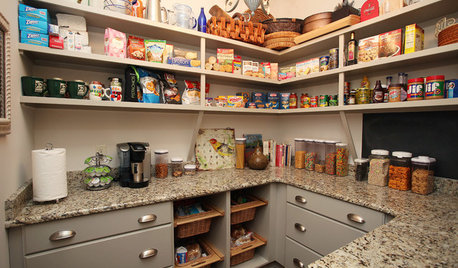
LIFEHow to Prepare for and Live With a Power Outage
When electricity loss puts food, water and heat in jeopardy, don't be in the dark about how to stay as safe and comfortable as possible
Full Story
KITCHEN STORAGEKitchen Storage Hacks to Make Use of Every Space
Cupboards full? Try these kitchen ideas for working more valuable storage into your cooking space
Full Story
DREAM SPACESJust a Few Things for the Dream-Home Wish List
A sunken hot tub, dedicated game room, tree house, hidden wine cellar and more. Which of these home luxuries would you like best?
Full Story
anney
Belgianpup
Related Professionals
Somerset Landscape Architects & Landscape Designers · McAllen Landscape Architects & Landscape Designers · New London Landscape Architects & Landscape Designers · Grand Rapids Landscape Architects & Landscape Designers · Manchester Landscape Architects & Landscape Designers · Hackettstown Landscape Architects & Landscape Designers · Reno Landscape Architects & Landscape Designers · Bartlesville Landscape Contractors · Spring Landscape Contractors · Hartford Landscape Contractors · Albert Lea Landscape Contractors · Fargo Landscape Contractors · Panama City Accessory Dwelling Units · Bowling Green Accessory Dwelling Units · Aiken Accessory Dwelling Unitspnbrown
spogarden
P POD
archangel2003
glib