

Trap crops
15 years ago
Sort by:Oldest
Comments (11)
Related Stories
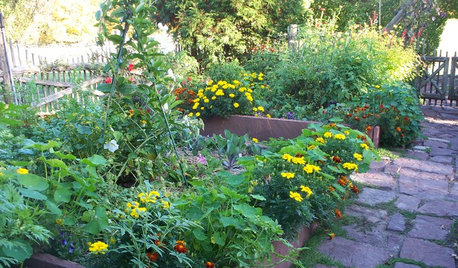
GARDENING GUIDESOrganic Matters: Thwart Insect Pests With Trap Crops
Add a few sacrificial plants to your garden to lure insects away from the harvest
Full Story
EDIBLE GARDENSHow to Grow Your Own Sweet Summer Crops
This guide will help any gardener get started on growing the freshest warm-season veggies and berries for summer
Full Story
GARDENING GUIDESGreat Design Plant: Grow Blueberries for Their Fruit and More
Eastern gardeners should consider growing blueberry plants for their delicious fruits, bee-friendly spring blooms and brilliant fall foliage
Full Story
DECORATING GUIDESOn Trend: Wing Chairs Return to Flight
Latest versions of the classic rest-and-read chairs have sleek, modern lines
Full Story
EARTH DAYThe Case for Losing the Traditional Lawn
Work less, help the environment and foster connections by just saying no to typical turf
Full Story
FRUIT TREESHow to Grow Your Own Juicy Plums
Easier than other stone fruits and with a variety of colors to choose from, plums are a versatile garden addition
Full Story
HOW TO PHOTOGRAPH YOUR HOUSETake Better Photos of Your House in a Snap: Part 2
Think like a professional photographer and learn to capture stunning images of your home
Full Story
GARDENING FOR BUTTERFLIESGardening for the Bees, and Why It’s a Good Thing
When you discover how hard bees work for our food supply, you may never garden without them in mind again
Full Story
GARDENING AND LANDSCAPINGBid Bad Garden Bugs Goodbye and Usher In the Good
Give ants their marching orders and send mosquitoes moseying, while creating a garden that draws pollinators and helpful eaters
Full Story
GARDENING GUIDESGarden Myths to Debunk as You Dig This Fall and Rest Over Winter
Termites hate wood mulch, don’t amend soil for trees, avoid gravel in planters — and more nuggets of garden wisdom
Full Story


jolj
Dan _Staley (5b Sunset 2B AHS 7)
Related Professionals
Jacksonville Landscape Architects & Landscape Designers · Springfield Landscape Architects & Landscape Designers · La Crosse Landscape Architects & Landscape Designers · Yakima Landscape Architects & Landscape Designers · Tallahassee Landscape Contractors · Somerset Landscape Contractors · Lawton Landscape Contractors · Anderson Landscape Contractors · Waco Landscape Contractors · Fargo Landscape Contractors · Rochester Landscape Contractors · Missoula Landscape Contractors · Branson Accessory Dwelling Units · San Antonio Accessory Dwelling Units · Pittsburgh Accessory Dwelling Unitsadrock430Original Author
Dan _Staley (5b Sunset 2B AHS 7)
thisisme
bejay9_10
loribee2
adrock430Original Author
tracydr
thisisme
julieann_grow