

Fertilizing transplants
18 years ago
Sort by:Oldest
Comments (2)
Related Stories

GARDENING GUIDESCommon Myths That May Be Hurting Your Garden
Discover the truth about fertilizer, soil, staking and more to keep your plants healthy and happy
Full Story
GARDENING GUIDESSouthwest Gardener's August Checklist
Manage monsoon effects, remember to fertilize and don't let the heat deter you from planting for fall
Full Story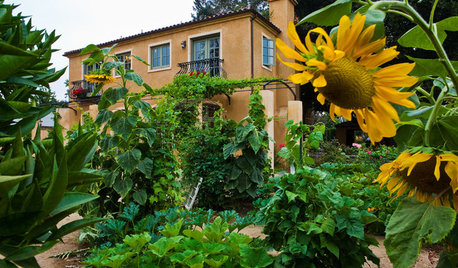
REGIONAL GARDEN GUIDESTexas Gardener's April Checklist
Get your sowing and planting on — spring brings a tantalizing array of possibilities in the garden
Full Story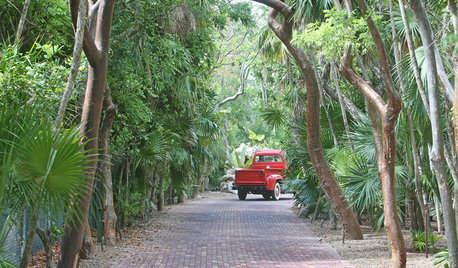
LANDSCAPE DESIGNThe Unparalleled Power of Trees
Discover the beauty and magic of trees, and why a landscape without them just isn't the same
Full Story
GARDENING GUIDESGardening Solutions for Dry, Sandy Soils
Has your desert or beachy site withered your gardening creativity? Try these ideas for a beautiful, easy-care landscape
Full Story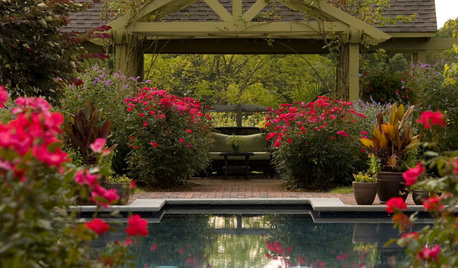
SPRING GARDENINGHow to Grow a Rose Garden in Pots
Everything can come up roses, even without a plot of soil in sight. This step-by-step guide to growing roses in containers shows you how
Full Story
GREEN DECORATINGBamboo Products — Earth Friend or Foe?
The ecofriendliness of this grass for flooring, wall coverings and furniture isn't cut and dried. Get the facts here
Full Story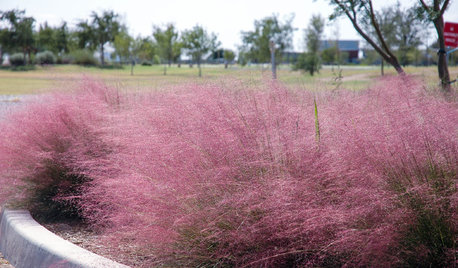
NATIVE PLANTS10 Top Plants Native to the Desert Southwest
Get a thriving garden despite unforgiving conditions with these tough, unthirsty, sun-loving beauties
Full Story
GARDENING GUIDESGreat Design Plant: Aloe Vera
Bright yellow flowering spikes decorate this popular aloe from late winter into spring, much to the delight of hummingbirds
Full Story
GARDENING GUIDESGreat Design Plant: Ceanothus Americanus
Thriving in lean soil and attracting the good bugs, New Jersey tea is a boon to full-sun areas of the garden
Full Story

justaguy2
digdirt2
Related Professionals
Sheboygan Landscape Architects & Landscape Designers · Missoula Landscape Architects & Landscape Designers · Louisville Landscape Contractors · Elizabeth City Landscape Contractors · Parkersburg Landscape Contractors · Albany Landscape Contractors · Bennington Landscape Contractors · Pueblo Landscape Contractors · Kennewick Landscape Contractors · Longview Landscape Contractors · Magog Landscape Contractors · Hot Springs Accessory Dwelling Units · Panama City Accessory Dwelling Units · Peoria Accessory Dwelling Units · Syracuse Accessory Dwelling Units