

diseases and pests
19 years ago
Sort by:Oldest
Comments (4)
Related Stories

GARDENING GUIDESTree Care: Common Tree Diseases and What to Do About Them
Learn to recognize trees that may be affected by diseases or pests so you can quickly take action
Full Story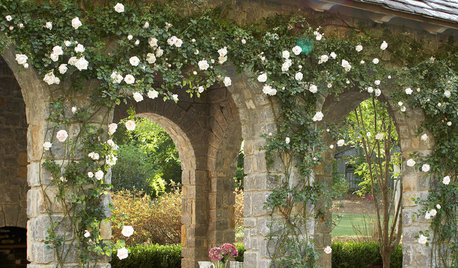
GARDENING GUIDESGreat Design Plant: Rosa Banksiae a Low-Maintenance Beauty
This thornless, disease- and insect-resistant rose brings showers of white or yellow flowers to the spring garden
Full Story
GARDENING GUIDESPacific Northwest Gardener: What to Do in June
Now's the time to prune pines and vines, prevent pests and buy June-blooming plants to keep your garden healthy and beautiful
Full Story
GARDENING GUIDESTexas Gardener: What to Do in July
Beat the heat with sun-loving blooms, pest control, good lawn care and sun protection. Pick up the pace for planting and planning
Full Story
ROCKY MOUNTAINS GARDENINGRocky Mountain Gardener's February Checklist
Get smart with your seeds, strike with oil to manage pests and practice proficient pruning — your trees and shrubs will thank you
Full Story0
GARDENING GUIDESSoutheast Gardener: What to Do in July
Time to claim your prize: a bounty of fruits, veggies and flowers, but don’t forget to keep an eye on weeds, pests and water
Full Story
GARDENING GUIDES10 Top Mid-Atlantic Native Plants
Enjoy a four-season garden in the mid-Atlantic region with plants that will stand up to weather shifts, clay soil and the occasional deer
Full Story
GARDENING AND LANDSCAPINGCrazy for Fruit Trees
Whether a single citrus or a mini apple orchard, even the smallest landscape space can bear deliriously delicious fruit
Full Story
FARM YOUR YARDIf You Have Room for Only One Fruit Tree ...
Juice up a small garden with one of these easier-care or worth-the-effort fruit trees for a mild climate
Full Story
DECORATING GUIDES12 Home Furnishings for People on the Move
Even if you're not staying put in your current home, you can give it style and a sense of permanence with these pieces
Full Story
Sponsored
justaguy2
tom_n_6bzoneOriginal Author
Related Professionals
Selma Landscape Architects & Landscape Designers · Frederick Landscape Architects & Landscape Designers · Middletown Landscape Architects & Landscape Designers · Plymouth Landscape Architects & Landscape Designers · Laconia Landscape Architects & Landscape Designers · Macon Landscape Contractors · Tulsa Landscape Contractors · Allentown Landscape Contractors · Lancaster Landscape Contractors · Santa Barbara Landscape Contractors · Florence Home Builders · Murfreesboro Home Builders · Escanaba Home Builders · Fort Collins Home Builders · Sanford Home Buildersrhizo_1 (North AL) zone 7
tom_n_6bzoneOriginal Author