

Cover crop help
17 years ago
Sort by:Oldest
Comments (8)
Related Stories
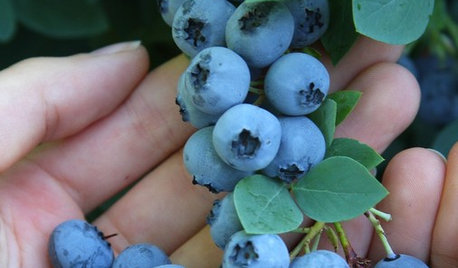
EDIBLE GARDENSSummer Crop: How to Grow Blueberries
Plant blueberries in spring or fall for garden beauty through three seasons — and a sweet superfood in summer
Full Story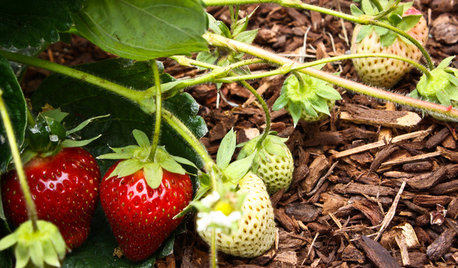
SPRING GARDENINGSummer Crops: How to Grow Strawberries
Pluck your own sweet strawberries right from the garden vine for smoothies, salads or eating then and there
Full Story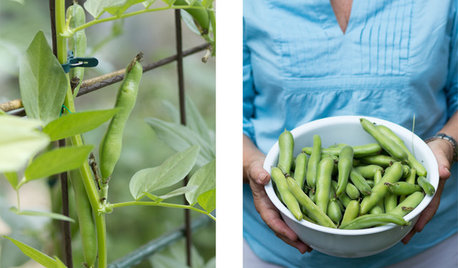
SUMMER FRUITS AND VEGETABLESSummer Crops: How to Grow Beans
Grow your own beans for amazing variety and healthy, convenient produce all summer
Full Story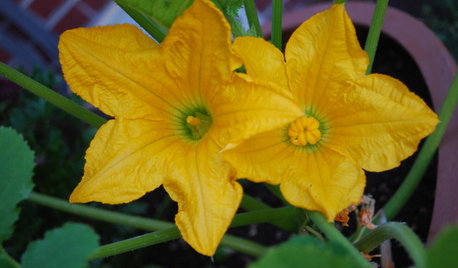
EDIBLE GARDENSSummer Crops: How to Grow Squash
Almost foolproof and with cheerful flowers, squash comes in a wide range of varieties to plant in spring
Full Story
EDIBLE GARDENSHow to Grow Your Own Sweet Summer Crops
This guide will help any gardener get started on growing the freshest warm-season veggies and berries for summer
Full Story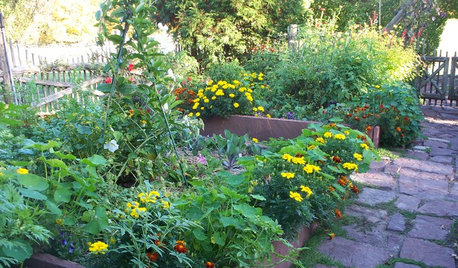
GARDENING GUIDESOrganic Matters: Thwart Insect Pests With Trap Crops
Add a few sacrificial plants to your garden to lure insects away from the harvest
Full Story
EDIBLE GARDENSSummer Crops: How to Grow Tomatoes
Plant tomato seedlings in spring for one of the best tastes of summer, fresh from your backyard
Full Story
MOST POPULARSummer Crops: How to Grow Sunflowers
Savor snack-tastic sunflower seeds once the radiant blooms have faded — if the birds have saved you any, that is
Full Story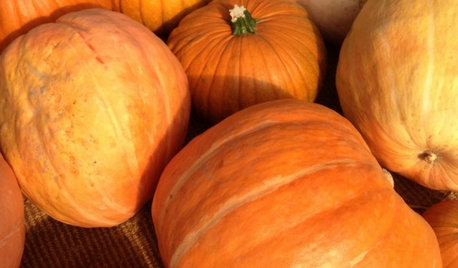
EDIBLE GARDENSSummer Crops: How to Grow Pumpkins
Start in spring to grow your own fall decorations and have plenty left for pies
Full Story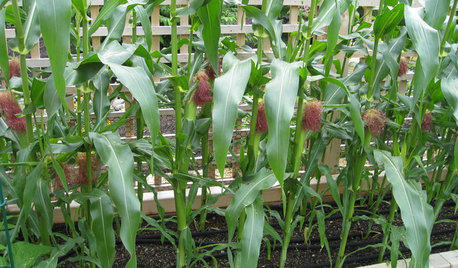
SUMMER FRUITS AND VEGETABLESHow to Grow Your Own Fresh, Sweet Corn
Here's how to plant and care for your own mini cornfield
Full Story
watermelon7
jonas302
Related Professionals
Baton Rouge Landscape Architects & Landscape Designers · Pittsfield Landscape Architects & Landscape Designers · Saint Marys Landscape Architects & Landscape Designers · Amarillo Landscape Architects & Landscape Designers · Kahului Landscape Architects & Landscape Designers · London Landscape Architects & Landscape Designers · Victoria Landscape Architects & Landscape Designers · Southaven Landscape Contractors · Columbus Landscape Contractors · Austin Landscape Contractors · Lynchburg Landscape Contractors · Flint Landscape Contractors · Mesquite Landscape Contractors · Rapid City Landscape Contractors · Merced Accessory Dwelling Unitsjimster
alphonse
namfon
jonas302
fritz_monroeOriginal Author
l_james