

ugh!!
14 years ago
Sort by:Oldest
Comments (12)
Related Stories
LIFEThe Moving-Day Survival Kit: Lifesaving Items and Niceties
Gather these must-haves in advance for a smooth move and more comfortable first days in your new home
Full Story
DECORATING GUIDESSkirted Tables Go Streamlined
Think table skirts are dated and dowdy? These 8 tailored examples will change your viewpoint
Full Story
BATHROOM DESIGNNow Featuring ... the Toilet!
No sense trying to hide it. Instead, show off your toilet with styles and shapes that carry through your décor
Full Story
PRODUCT PICKSGuest Picks: Multipurpose Holiday Décor
Decorate for the holidays with 20 items that work just as well the rest of the year too
Full Story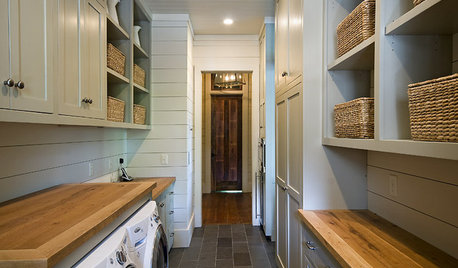
LIFE3 Ways to Get Unstuck — About Organizing, Decorating, Whatever
Break out of the do-nothing rut to accomplish your goals, whether at home or in other parts of your life
Full Story
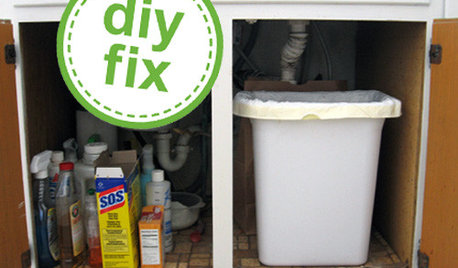
KITCHEN DESIGNQuick Project: Brighten the Space Under Your Kitchen Sink
Give yourself a lift with a refreshed place for your kitchen cleaning supplies
Full Story
LIFE6 Ways to Beat the Winter Blahs
Snow and dark days dampening your spirits? These ideas will have you looking on the bright side
Full Story

dhromeo
User
Related Professionals
Newport News Landscape Architects & Landscape Designers · Newport Landscape Architects & Landscape Designers · Westerly Landscape Architects & Landscape Designers · Orange County Landscape Architects & Landscape Designers · Vancouver Landscape Architects & Landscape Designers · Macon Landscape Contractors · Salina Landscape Contractors · Corpus Christi Landscape Contractors · Newburyport Landscape Contractors · Watertown Landscape Contractors · Evansville Accessory Dwelling Units · Tyler Accessory Dwelling Units · Sacramento Accessory Dwelling Units · Leamington Accessory Dwelling Units · Queens Accessory Dwelling UnitsMindyw3Original Author
JodieMo
rayinpenn
User
rayinpenn
Mindyw3Original Author
User
wayne_5 zone 6a Central Indiana
daleyc
dhromeo