

4-year rotation
13 years ago
Sort by:Oldest
Comments (7)
Related Stories

CEILINGSIn the Rotation: Ceiling Fans Go Chic
Who Knew Ceiling Fans Could be Lust-Worthy? Here's How to Stay Cool in Style
Full Story
DECLUTTERINGYour Clutter-Clearing Plan for the New Year
Tackle these tasks month by month for a decluttering strategy that will really pay off
Full Story
DECLUTTERINGClutter vs. Keepers: A Guide to New Year's Purging
Simple questions to get in touch with your clutter comfort level — and figure out what needs to go
Full Story
BASEMENTSRoom of the Day: Swank Basement Redo for a 100-Year-Old Row House
A downtown Knoxville basement goes from low-ceilinged cave to welcoming guest retreat
Full Story
DECORATING GUIDESTangerine Tango: 4 Ways to Use Pantone's Color of the Year
Don't let this bold hue scare you — try warming up any room with this cheerful red-orange color of 2012
Full Story
COLOR4 New Neutrals for the New Year
So you're not resolved to go crazy with color in 2013. These refreshing on-trend neutrals can still broaden your rooms' color horizons
Full Story
KITCHEN DESIGNGet Ideas From This Year’s Top 20 Kitchen Tours
Smart storage, functionality for cooks and families, vintage touches and lots of personality mark your favorites of 2015
Full Story
PORCHESRoom of the Day: A Colorado Porch for Year-Round Enjoyment
New windows, insulation and other upgrades turn this sun porch on a 1914 stone house into a 4-season room
Full Story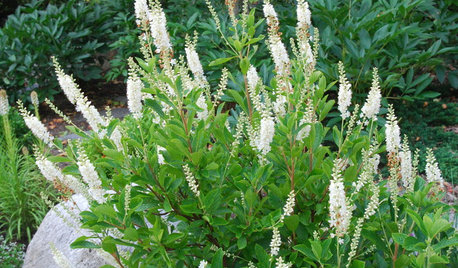
GARDENING GUIDESGreat Design Plant: Coastal Sweet Pepperbush Perfumes Gardens All Year
Bottlebrush blooms, gorgeous fall color and delightful fragrance give this U.S. native shrub 4-season appeal
Full Story
MY HOUZZMy Houzz: Portland Home Renovation Worth the 15-Year Wait
Open spaces, natural light and valley views take center stage in this couple’s modern refresh
Full Story

User
pnbrown
Related Professionals
Columbia Landscape Architects & Landscape Designers · Stamford Landscape Architects & Landscape Designers · Waterbury Landscape Architects & Landscape Designers · Milwaukee Landscape Architects & Landscape Designers · San Francisco Landscape Architects & Landscape Designers · San Luis Obispo Landscape Architects & Landscape Designers · Pine Bluff Landscape Contractors · Wilmington Landscape Contractors · Elkton Landscape Contractors · Omaha Landscape Contractors · Owensboro Accessory Dwelling Units · Columbia Accessory Dwelling Units · Atlantic City Accessory Dwelling Units · Watertown Accessory Dwelling Units · Mansfield Accessory Dwelling Unitsdigdirt2
mckenziekOriginal Author
glib
mckenziekOriginal Author
glib