

squash bugs killed all my squash!
19 years ago
Sort by:Oldest
Comments (6)
Related Stories
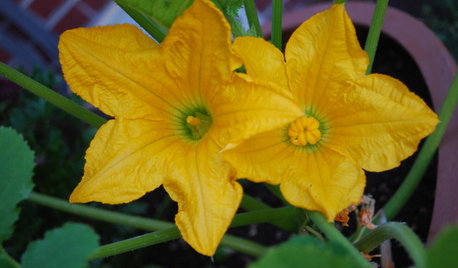
EDIBLE GARDENSSummer Crops: How to Grow Squash
Almost foolproof and with cheerful flowers, squash comes in a wide range of varieties to plant in spring
Full Story
FARM YOUR YARDHouzz Call: Home Farmers, Show Us Your Edible Gardens
We want to see where your tomatoes, summer squashes and beautiful berries are growing this summer
Full Story
REGIONAL GARDEN GUIDESMid-Atlantic Gardener's September Checklist
Squash, anyone? Cool-season veggies are suiting up for the garden, while summer's last blooms are winding down
Full Story
EDIBLE GARDENSGarden BFFs? Why Your Vegetables Are Begging for Companion Plants
Foster friendships among plants for protection from pests, pollination support and color camaraderie
Full Story
FEEL-GOOD HOME6 Design Ideas for Happy Pets
Keep your dog or cat feeling safe and in high spirits, and you'll all feel more at peace. Here's how
Full Story
EDIBLE GARDENSSummer Crops: How to Grow Pumpkins
Start in spring to grow your own fall decorations and have plenty left for pies
Full Story
FALL AND THANKSGIVINGFall Decorating Ideas From a Designer to the Stars
You might think all-out glitz and over-the-top glamour make up Adam Hunter's fall decorations. You'd be wrong
Full Story
FURNITUREHow to Choose the Right Sofa Cushion
Shopping for a sofa? Here’s what to know about the basic cushion options — and the all-important test you must do for yourself
Full Story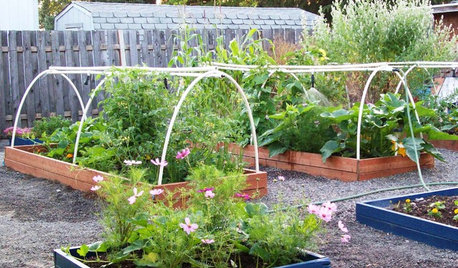
BENEFICIAL INSECTSAttract Pollinators for a Productive Edible Garden
You can lure bees, butterflies and birds into your yard with the right flowers and nesting spots
Full Story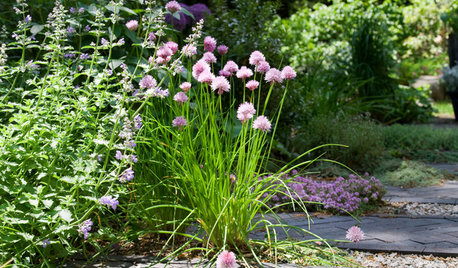
EDIBLE GARDENS8 Surefire Vegetables and Herbs for Beginning Gardeners
Learn the edible plants that are popular and easy to grow in a backyard or container garden
Full Story
digdirt2
Violet_Z6
Related Professionals
College Station Landscape Architects & Landscape Designers · Harrisburg Landscape Architects & Landscape Designers · Ontario Landscape Architects & Landscape Designers · Sebring Landscape Contractors · Wichita Landscape Contractors · Florence Landscape Contractors · Westminster Landscape Contractors · Sedalia Landscape Contractors · Wilmington Landscape Contractors · Santa Fe Landscape Contractors · Crestview Accessory Dwelling Units · Middlesboro Accessory Dwelling Units · Plymouth Accessory Dwelling Units · Oxnard Accessory Dwelling Units · San Jose Accessory Dwelling Unitskorney19
Violet_Z6
raisemybeds
utdeedee