Software
Houzz Logo Print
nygardener

Mulch potatoes with straw or composted manure?

14 years ago

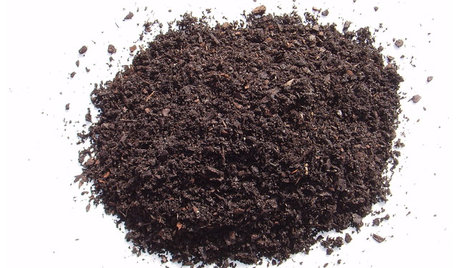
I've been hilling my potatoes, which are about 12 inches tall, and am about out of garden soil to continue hilling them with. I'm thinking that as they grow I'll add a thick layer, 6 to 8 inches, of composted manure, to give them something to grow into, and then mulch with another 6 inches of chopped straw. Does this sound like a good idea, or should I use all straw (or all manure)?

Comments (22)

  • 14 years ago

    Hi nygardener,
    Either ...or... both are fine at this point in their development,..... they are more concerned with you providing the necessary shade for the ground (they really don't like the ground to be warmer than 80 degrees), so the hilling at this point is primarily for insulation to protect the tubers, they aren't going to grow up the stem.

    {{gwi:25371}}

    {{gwi:25367}}

  • 14 years ago

    Are those the only 2 choices available? If so then straw. Manures, even when well composted, aren't normally recommended for direct use on root crops or low growing greens because of the potential for pathogen contamination. Tilling it into the soil prior to planting is one thing but avoiding direct contact with the food itself is recommended.

    Dave

  • 14 years ago

    Yes, that's it. I have a lot of unfinished non-manure compost that might cook the plants. The only other choice would be to buy some commercial compost, but since the potato bed is about 200 square feet, I'd need several yards of it.

  • 14 years ago

    I had a terrible problem with voles the one year I hilled up with straw. They set up housekeeping under the straw and chewed big holes in all the potatoes near the surface. One 22' row had three separate vole nests set up in it (shallow tunnels lined with the finest straw). I didn't know about it until I removed the straw cover for harvest.

  • 14 years ago

    Sounds like it's worth checking under the straw once in a while.

  • 13 years ago

    I just joined(read, total newbie) and found this thread in a search. I hope it's OK to ask a related question? I just want to be clear, the potatoes don't form along the stem of the plant? How thick should the mulch cover be? I'm using leaves mostly, as that's what was available. I topped that off recently with sawdust. I'm doing no til ah la, Ruth Stout. I understand to not til in the saw dust and have cotton seed to help out the nitrogen this year.

  • 13 years ago

    The potatoes form on stolons that sprout from the stem, above the seed potato, but people get the erroneous impression that this will continue up as high as you can hill the plant. Not so. More potatoes sprout along the length of the stolon.

  • 13 years ago

    If you can keep it apprx. a foot deep, before being pounded down by rain, that should do, but just check every now and then to see where it might be too thin.

  • 13 years ago

    Thank you both! I'll put a bit more on for good measure tomorrow.

  • 13 years ago

    The specific problem with manure and potatoes is scab, which messes up the skins and makes the potatoes poor candidates for storage. Straw looks good and is easy to work with, but leaves do a better job of cooling the soil, and grass clippings are less likely to host slugs and voles. I loves them potatoes...Have started holding back some seed potatoes and planting them in early July for fall harvest. The voles haven't caught on yet, they leave them alone.

  • 13 years ago

    Hilarious! I'm by no means a novice gardener, nor an expert either. I always thought I was told to hill potatoes because they would produce more up the stem! I'll go ahead and plant my potatoes now and just mulch with straw (as I am everything else in the garden for weed control; cardboard and straw leaves in between rows)

  • 13 years ago

    I mulch most of my garden with straw, but when I tried to use straw to accomplish hilling with potatoes (ie extra deep), the slug problem was out of control. Slugs really seem to favor potato foliage to begin with, and potato foliage surrounded by straw was slug nirvana. That was my experience, it may not be yours.

  • 13 years ago

    SLUGS!!! Up here in the Northwest we have so much of a slug problem that we have given in and put a collar and leash on them and take them for very slow walks!!
    I have been using Sluggo for 4 years now and am very pleased with the results. We have two dogs and I have never had any fear of them getting poisoned. I just make sure that the Sluggo is sprinkled UNDER the leaves of the plants and I do this several times during the season.

    Ref: Growing potatoes
    I have been growing potatoes in a well drained large plastic garbage can. I took a hole saw and made many holes on the sides and bottom. With about a foot of mulch in the bottom I laid in the first of the seeds (why do they call them seeds when they are just cut-up taties??).
    Then about six inches of mulch. I await the green plant to poke it's head out of the dirt about 12 inches and then I add another 8-10 inches of dirt. I repeat this process until the bucket is filled nearly to the top. I keep the can well watered and in an area where it gets shade in the late afternoon sun. Don't put a can in the sun. You will get baked potatoes before you can eat them!!
    When the tops wilt out at the end of the summer I turn the whole can over and pick out my spuds.
    Note: The potatoes continue to send out fingers of potatoes from the plant as it is covered up with dirt.

  • 13 years ago

    I have potatoes growing at the edges of my compost box.
    They're bigger and healthier looking than the ones I planted in the garden. Do I dare harvest and eat them or will they have "pathogens?"

  • 13 years ago

    If you think you have "pathogens" in your compost, why aren't you hauling it away? If you're planning to use it in your vegetable garden, why wouldn't you eat the potatoes that grow there?

    Compost piles often give birth to volunteer plants that do very well.

  • 13 years ago

    If deep straw is conducive to voles and slugs, how about a thinner covering of straw?

  • 13 years ago

    It needs to be deep enough to cover the tubers completely.

  • 13 years ago

    So how long is it before tubers form? I am under the impression that tubers grow between the seed and the stalk that is visible. Am I right on this one?
    When should one start hilling? How much hilling is necessary?

  • 13 years ago

    I think you're supposed to hill them first when they're about 6" tall, and a second time when they're about a foot (not sure about the height the second time.).

  • 13 years ago

    I believe you need at least a foot of cover over the tubers. I grow in straw and just added another bale this week, as they were starting to flower, which is when tuber formation begins.

    Maybe you don't need quite as much soil, but with straw, you have to be sure the tubers are well covered.

  • 13 years ago

    In my case I hill with enough dirt basically to do the job. For me, the straw or whatever mulch is to keep the soil cooler and to keep it a bit moister.

  • 13 years ago

    The OP asked about the 2 options to mulch them and has 200 sq ft, so straw would be the best option or a mix of other things if able to gather them to add also.

    We've used a mix of whatever we have available at the time -- after the soil dug from trenches is used up we add shredded paper, used coffee grounds, well cured compost, dried grass clippings, and chopped up clippings from perennials done with flowering. I am too cheap to purchase mulch for potatoes. When all the green material is dried 1st on tarps and spread thinly it does not cook the plants. I just finished hilling ours with the last of the soil pulled back for the trenches, so will be using what I glean from around here.