

Thinning fruit
16 years ago
Sort by:Oldest
Comments (3)
Related Stories
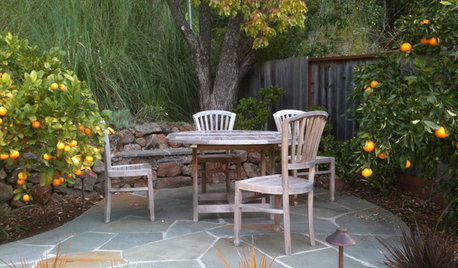
GARDENING AND LANDSCAPINGCrazy for Fruit Trees
Whether a single citrus or a mini apple orchard, even the smallest landscape space can bear deliriously delicious fruit
Full Story
FARM YOUR YARDIf You Have Room for Only One Fruit Tree ...
Juice up a small garden with one of these easier-care or worth-the-effort fruit trees for a mild climate
Full Story
EDIBLE GARDENSHow to Grow 10 Favorite Fruit Trees at Home
Plant a mini orchard in fall, winter or early spring to enjoy fresh-off-the-tree fruit the following year
Full Story
EDIBLE GARDENSGrow Plum Hybrids for Your Favorite Fruit Flavors
Plums are cozying up with apricots, peaches and even cherries — here’s how to grow these hybrids for the best aspects of each
Full Story
EDIBLE GARDENSHow to Grow Your Own Peaches and Nectarines
Make gardening a little sweeter with these juicy fruits, which you can eat after plucking or preserve for later
Full Story
FRUIT TREESHow to Grow Your Own Persimmons
Sturdy and easy to care for, these trees offer bright fruit through winter — and keeping them in bounds is no sweat
Full Story
EDIBLE GARDENSHow to Add an Apple Tree to Your Edible Garden
Readily available, beautiful and fragrant, apple trees offer four-season interest along with crisp, juicy fruit
Full Story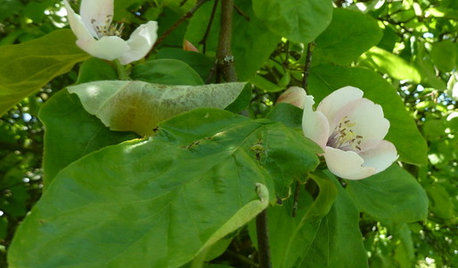
EDIBLE GARDENSWhy Grow Quince? For Beauty, Fragrance and Old-Time Flavor
Delightfully perfumed fruit and lovely spring blossoms make this apple and pear cousin worth a spot in the garden
Full Story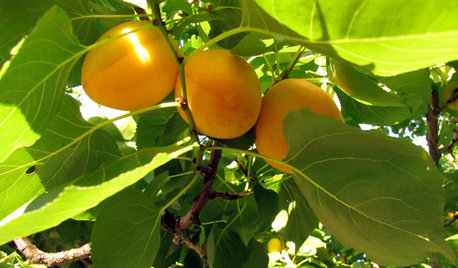
EDIBLE GARDENSHow to Grow Your Own Apricots
Velvety fruit, pretty blossoms and interesting bark make apricot trees a delight — and they’re great for smaller gardens
Full Story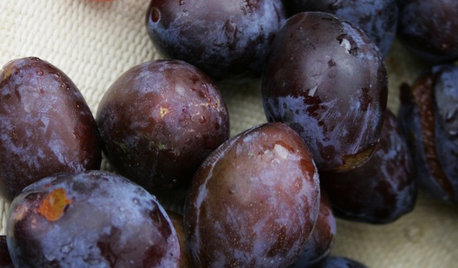
FRUIT TREESHow to Grow Your Own Juicy Plums
Easier than other stone fruits and with a variety of colors to choose from, plums are a versatile garden addition
Full Story

donnieappleseed
brianlanningOriginal Author
Related Professionals
Pensacola Landscape Architects & Landscape Designers · Corpus Christi Landscape Architects & Landscape Designers · Dallas Landscape Architects & Landscape Designers · Fredericksburg Landscape Architects & Landscape Designers · Vancouver Landscape Architects & Landscape Designers · Aiken Landscape Contractors · Middletown Landscape Contractors · Redding Landscape Contractors · Longview Landscape Contractors · Cape Coral Home Additions · Ashland Home Additions · Middlesboro Home Additions · Richmond Home Additions · Portland Home Additions · Minot Home Additionsmarknmt