

Floating row covers
17 years ago
Sort by:Oldest
Comments (6)
Related Stories

HOUZZ TOURSHouzz Tour: Eclectic Row House in London
Vintage treasures, original illustrations and family keepsakes make this bright home just right for a British family of four
Full Story
MY HOUZZMy Houzz: A Cocktail of Industrial and Cozy on Louisville's Whiskey Row
Muted tones and soft textures transform an open loft space into an inviting home
Full Story
CONTEMPORARY HOMESHouzz Tour: A Bark-Covered Floating Getaway on Lake Union
If the unusual siding doesn’t clue you in to the fine craftsmanship in this floating home, the handmade handrails, lights and furniture will
Full Story
CONTEMPORARY HOMESHouzz Tour: Curves Ahoy! See a Unique Floating Home
It appeared on ‘Portlandia,’ but it doesn’t take a camera crew to see how special this home on a river is
Full Story
WINDOW TREATMENTSBalloon Shades Float Into Fashion
Use these formal window treatments to add texture and luxury to traditional rooms
Full Story
HOUZZ TOURSMy Houzz: Relaxed Glamour in a Downtown Row House
See how this Maryland couple put their own creative stamp on their 1890 home
Full Story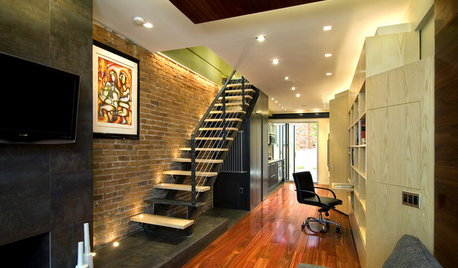
HOUZZ TOURSDesign Lessons From a 10-Foot-Wide Row House
How to make a very narrow home open, bright and comfortable? Go vertical, focus on storage, work your materials and embrace modern design
Full Story

HOUZZ TOURSHouzz Tour: Loving the Old and New in an 1880s Brooklyn Row House
More natural light and a newly open plan set off furnishings thoughtfully culled from the past
Full Story
MY HOUZZMy Houzz: Hip Style for a Row House in D.C.
Happy colors, DIY projects and vintage items find a home in this family’s updated 1960s residence
Full Story

jimster
caavonldy
Related Professionals
Charlotte Landscape Architects & Landscape Designers · Spartanburg Landscape Architects & Landscape Designers · Corpus Christi Landscape Architects & Landscape Designers · Danville Landscape Architects & Landscape Designers · Grand Rapids Landscape Architects & Landscape Designers · Syracuse Landscape Architects & Landscape Designers · Providence Landscape Architects & Landscape Designers · Corpus Christi Landscape Contractors · Rochester Landscape Contractors · Bridgeport Landscape Contractors · Athens Accessory Dwelling Units · DeRidder Accessory Dwelling Units · Columbia Accessory Dwelling Units · Peoria Accessory Dwelling Units · Watertown Accessory Dwelling Unitsmarial1214
justaguy2
zeedman Zone 5 Wisconsin
aloha10Original Author