

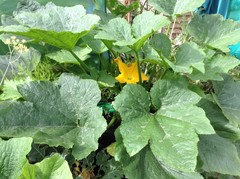
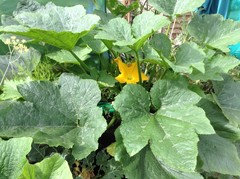
Help me identify squash/gourd
12 years ago

Featured Answer
Sort by:Oldest
Comments (14)
 12 years ago
 12 years ago
Related Professionals
Lake City Landscape Architects & Landscape Designers · Columbus Landscape Architects & Landscape Designers · Longview Landscape Architects & Landscape Designers · Norfolk Landscape Architects & Landscape Designers · Cheyenne Landscape Architects & Landscape Designers · Springfield Landscape Contractors · Gulfport Landscape Contractors · Minneapolis Landscape Contractors · Beatrice Landscape Contractors · Keene Landscape Contractors · Montrose Landscape Contractors · Everett Landscape Contractors · Rock Hill Accessory Dwelling Units · Stockton Accessory Dwelling Units · Lubbock Accessory Dwelling Units 12 years ago
- 12 years ago
- 12 years ago
- 12 years ago
 12 years ago
- 10 years ago
- 10 years agolast modified: 10 years ago
- 10 years ago
 10 years agolast modified: 10 years ago
- 10 years ago
- 10 years ago

Related Stories
KITCHEN DESIGNWhy a Designer Kept Her Kitchen Walls
Closed kitchens help hide messes (and smells) and create a zone for ‘me time.’ Do you like your kitchen open or closed?
Full Story
DECLUTTERINGEscape the Inheritance Trap: What to Do With Sentimental Pieces
Too meaningful to toss but too hideous, precious or unusual to display? These ideas can help
Full Story
FALL AND THANKSGIVINGYour Guide for a Simpler Thanksgiving
Ease the stress of hosting the big day with these tips
Full Story
EDIBLE GARDENSNatural Ways to Get Rid of Weeds in Your Garden
Use these techniques to help prevent the spread of weeds and to learn about your soil
Full Story
ORGANIZING7-Day Plan: Get a Spotless, Beautifully Organized Kitchen
Our weeklong plan will help you get your kitchen spick-and-span from top to bottom
Full Story
PORCHESA Peek at 2 Prettily Dressed Fall Porches
Pumpkins, fall flowers and flea market finds help two Ohio porches get into the seasonal spirit
Full Story
FALL AND THANKSGIVINGSimple Ways to Spruce Up Your Home for Thanksgiving
Here are 17 ideas for decor and home organization to help you get ready for the holidays
Full Story
DECLUTTERINGSmall Steps for Keeping Your Housekeeping Resolutions
Take a different approach this year, making simple, positive changes that add up before you know it
Full Story
LIFE10 Steps for Saying Goodbye to Sentimental Objects
Are keepsakes cluttering your space and your life? Consider this approach for letting go and moving on
Full Story
LIFETo-Dos: Your October Home Checklist
It’s a great time to clean your gutters, swap out seasonal clothes and wallow in favorite fall traditions. What’s on your October list?
Full Story
helcatamyOriginal Author