

best uses for manure tea
15 years ago
Sort by:Oldest
Comments (10)
Related Stories

GARDENING GUIDESThe Poop Scoop: Enrich Your Soil With Good Old Manure
Get over the ick factor already — this natural super-ingredient for soil has so many benefits, you'll wonder why you ever went chemical
Full Story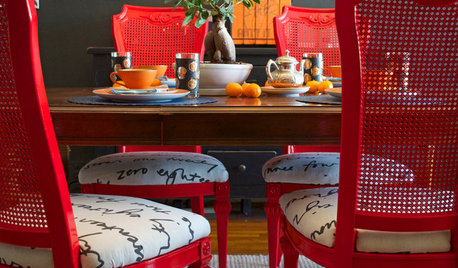
DIY PROJECTSDining Set Makeover: Paint and Tea-Tinted Fabric Make Old Chairs New
Reclaim dated dining chairs for far less than buying new, using spray paint, modern fabric and a handful of tea bags
Full Story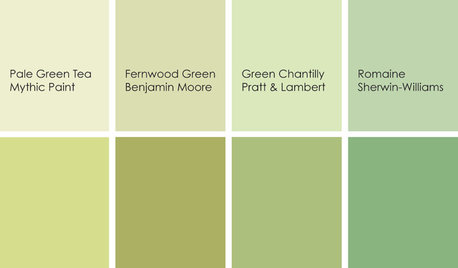
KITCHEN DESIGNCooking With Color: When to Use Green in the Kitchen
Consider a taste of Romaine or Pale Green Tea to make your kitchen walls or cabinets the freshest ones around
Full Story
Guest Picks: Tea Towel Mania
Drying the dishes is far more fun with one of these clever, cute or just plain pretty tea towels
Full Story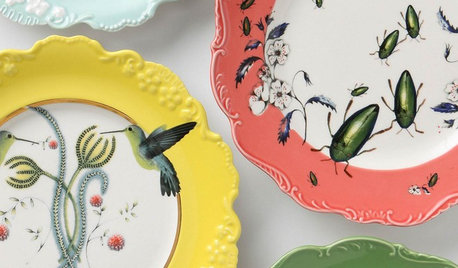
PRODUCT PICKSGuest Picks: Dishes and Tea Towels That Bring a Smile
Eat your heart out with kitchen accessories that put the "fun" in "functional"
Full Story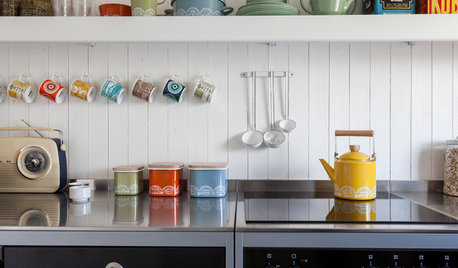
LIFEHow Do You Make Your Tea and Coffee in the Morning?
A morning cup is a must for many, and preparation comes in many guises. We look at coffee and tea habits across the Houzz community
Full Story
KITCHEN DESIGNHot Ideas and Tips for Coffee and Tea Stations
Let options like drawer inserts and built-in coffeemakers percolate now, so your hot-drinks station can best serve holiday guests
Full Story
PRODUCT PICKSGuest Picks: You are Invited to High Tea
Create a table worthy of the high tea tradition with fine linen, porcelain and pretty accents
Full Story
SHOP HOUZZHouzz Products: A Special Spring Tea Party
Have your friends over for the loveliest tea party yet with fun serving pieces, tableware and accessories from our Products section
Full Story
ENTERTAININGGuest Picks: Tea Party With a Modern Palette
Turn a traditional tea party on its head with the colors of citron, peach and lime
Full Story

digdirt2
nancyjane_gardener
Related Professionals
Birmingham Landscape Architects & Landscape Designers · Danville Landscape Architects & Landscape Designers · Bloomington Landscape Architects & Landscape Designers · Eau Claire Landscape Architects & Landscape Designers · Oxnard Landscape Architects & Landscape Designers · Santa Rosa Landscape Architects & Landscape Designers · Springfield Landscape Contractors · Portsmouth Landscape Contractors · Chambersburg Landscape Contractors · Gloucester Landscape Contractors · Murrieta Landscape Contractors · Helena Landscape Contractors · Lagrange Landscape Contractors · Bloomington Accessory Dwelling Units · Murrieta Accessory Dwelling Unitskmerrifi
digdirt2
beeman_gardener
lonmower
vaherbmomOriginal Author
kmerrifi
makete
nancyjane_gardener