

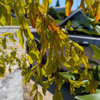
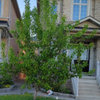
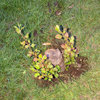
Is this a nectarine tree?
17 years ago
Sort by:Oldest
Comments (8)
Related Stories
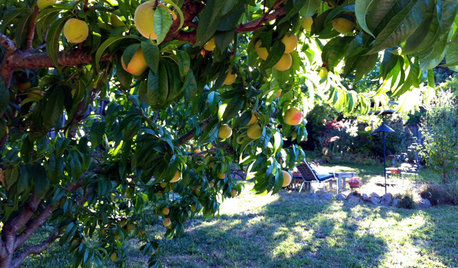
EDIBLE GARDENSHow to Grow Your Own Peaches and Nectarines
Make gardening a little sweeter with these juicy fruits, which you can eat after plucking or preserve for later
Full Story
EDIBLE GARDENSHow to Grow 10 Favorite Fruit Trees at Home
Plant a mini orchard in fall, winter or early spring to enjoy fresh-off-the-tree fruit the following year
Full Story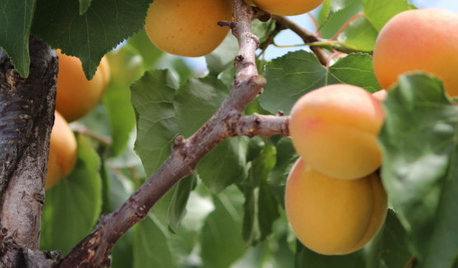
FARM YOUR YARDIf You Have Room for Only One Fruit Tree ...
Juice up a small garden with one of these easier-care or worth-the-effort fruit trees for a mild climate
Full Story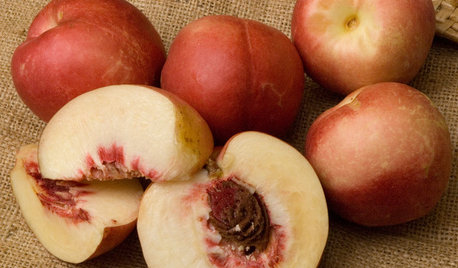
EDIBLE GARDENSGrow Plum Hybrids for Your Favorite Fruit Flavors
Plums are cozying up with apricots, peaches and even cherries — here’s how to grow these hybrids for the best aspects of each
Full Story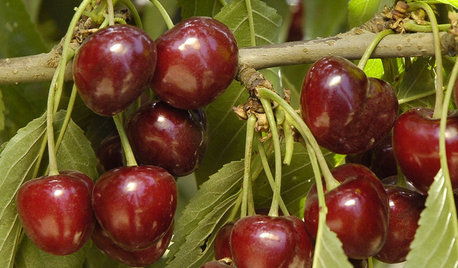
EDIBLE GARDENSHow to Grow Your Own Luscious Cherries
Nope, they’re not the easiest fruit to grow. But with spectacular blossoms and pies as possibilities, cherries are sure worth a try
Full Story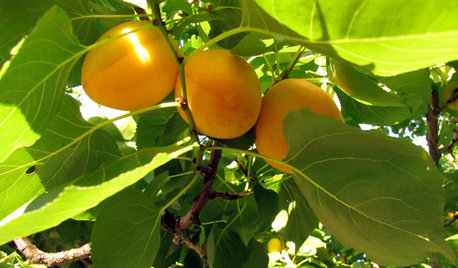
EDIBLE GARDENSHow to Grow Your Own Apricots
Velvety fruit, pretty blossoms and interesting bark make apricot trees a delight — and they’re great for smaller gardens
Full Story
FARM YOUR YARDIf You Have Room for Only One Summer Crop ...
Get an edible that’s long on flavor even if you’re short on space, with a long-time gardener’s favorite picks
Full Story
GARDENING AND LANDSCAPINGUnexpected Edible Gardens
How to grow your own herbs and vegetables almost anywhere
Full Story
GARDENING AND LANDSCAPINGVertical Gardens Raise the Limits for Landscapes
Turn a small garden space into a towering success with an upward-bound collection of edible delights
Full Story
URBAN GARDENSIn London, a Crowded Patch of Grass Becomes a Patio for Entertaining
A chic combo of wood siding, clever plantings and lots of elegant sandstone transforms a plain garden into a stylish space
Full Story

sautesmom Sacramento
olpea
Related Professionals
Vincennes Landscape Architects & Landscape Designers · Anderson Landscape Architects & Landscape Designers · Myrtle Beach Landscape Architects & Landscape Designers · Lawrenceburg Landscape Architects & Landscape Designers · Spring Landscape Architects & Landscape Designers · Worcester Landscape Architects & Landscape Designers · Albany Landscape Contractors · Effingham Landscape Contractors · Pittsburg Landscape Contractors · Boise Landscape Contractors · West Palm Beach Home Additions · Middlesboro Home Additions · Baltimore Home Additions · Cincinnati Home Additions · Kahului Home Additionsmiketrees
olpea
miketrees
olpea
miketrees
olpea