

liming the soil?
12 years ago
Sort by:Oldest
Comments (11)
Related Stories

GARDENING GUIDESGrow a Beautiful Garden in Alkaline Soil
Got alkaline soil? Learn how to manage it and the many beautiful plants that will thrive in this ‘sweet’ soil
Full Story
GARDENING GUIDESGardening Solutions for Heavy Clay Soils
What’s a gardener to do with soil that’s easily compacted and has poor drainage? Find out here
Full Story
FARM YOUR YARDHow to Get Good Soil for Your Edible Garden
The nutrients in your soil feed the plants that feed you. Here are tips on getting it right — just in time for planting season
Full Story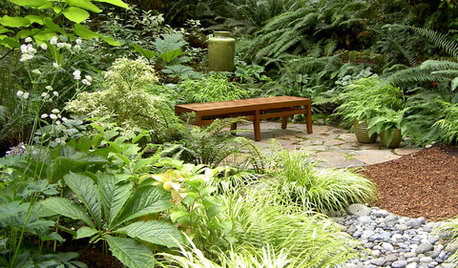
GARDENING GUIDESGreat Garden Combo: 6 Beautiful Plants for a Shady, Wet Site
Transform a shade garden with moisture-loving golden grasses, textural leaves and a sprinkling of flowers
Full Story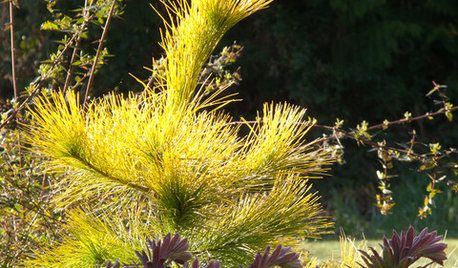
GARDENING GUIDESGreat Design Plant: Louie Eastern White Pine
This stunning golden conifer will bring a smile to your face and add a ray of sunshine to your winter garden
Full Story
LANDSCAPE DESIGNMoss: Nature’s Carpet for the Garden
Learn how to grow and use this ancient and mysterious natural wonder for delightful texture in the landscape
Full Story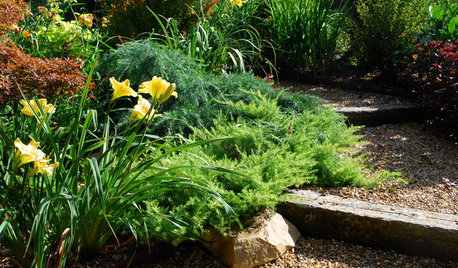
GARDENING GUIDESGreat Design Plant: Juniperus Conferta ‘Golden Pacific’
‘Golden Pacific’ shore juniper shines in sun or partial shade
Full Story
GARDENING GUIDESGreat Design Plant: Eastern Bluestar Wows in Fall
Get outstanding late-season color with this clumping perennial, perfect for a mixed border or to partially replace turf
Full Story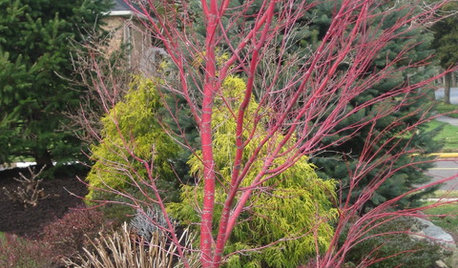
TREESGreat Design Plant: Coral Bark Japanese Maple, a Winter Standout
Go for garden gusto during the chilly season with the fiery red stems of this unusual Japanese maple
Full Story
LIME FOLIAGE5 Gold Plants to Illuminate Shady Garden Spots
Dark garden corners don't have to mean deep, monochromatic color. Gold plants brighten the landscape with shots of luminosity
Full Story


theforgottenone1013 (SE MI zone 5b/6a)
zzackey
Related Professionals
Florence Landscape Architects & Landscape Designers · Wichita Landscape Architects & Landscape Designers · Clarksville Landscape Architects & Landscape Designers · Lima Landscape Architects & Landscape Designers · Salinas Landscape Architects & Landscape Designers · Pensacola Landscape Contractors · Martinsburg Landscape Contractors · Fort Dodge Landscape Contractors · Los Angeles Landscape Contractors · Modesto Landscape Contractors · Portland Landscape Contractors · Longview Landscape Contractors · Knoxville Accessory Dwelling Units · Coos Bay Accessory Dwelling Units · Ottawa Accessory Dwelling Unitsplanatus
gardener_sandy
daninthedirt (USDA 9a, HZ9, CentTX, Sunset z30, Cfa)
tcstoehr
little_minnie
daninthedirt (USDA 9a, HZ9, CentTX, Sunset z30, Cfa)
zzackey
jonfrum
daninthedirt (USDA 9a, HZ9, CentTX, Sunset z30, Cfa)