

Shredders for garden waste
15 years ago
Sort by:Oldest
Comments (13)
Related Stories
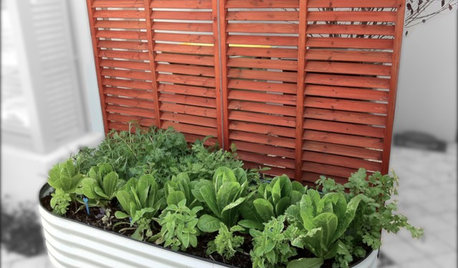
FEEL-GOOD HOME21 Ways to Waste Less at Home
Whether it's herbs rotting in the fridge or clothes that never get worn, most of us waste too much. Here are ways to make a change
Full Story
MOST POPULAREasy Green: 23 Ways to Reduce Waste at Home
Pick from this plethora of earth-friendly ideas to send less to the landfill and keep more money in your pocket
Full Story
HEALTHY HOME6 Tips From a Nearly Zero-Waste Home
Lower your trash output and increase your quality of life with these ideas from a mom who did it to the max
Full Story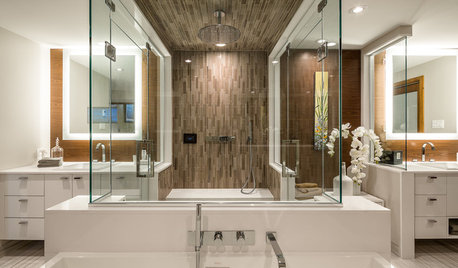
BATHROOM MAKEOVERSWasted Space Put to Better Use in a Large Contemporary Bath
Bad remodels had managed to leave this couple cramped in an expansive bath. A redesign gave the room a luxe hotel feel
Full Story
INSPIRING GARDENSInside Houzz: A Waterfront Property Ditches the Grass for a Garden
New drought-tolerant plantings and outdoor gathering spaces help this California backyard take in the view without wasting space or water
Full Story
EARTH DAYGrow a Beautiful Garden With Ecofriendly Greywater
Reducing home water waste means lower bills and a healthier planet. Here's how to set up a greywater home irrigation system that can help
Full Story
NATIVE PLANTSGreat Design Plant: Wild Bergamot, Friend of Foragers
Nourish butterflies and other winged creatures with the tubular flowers of Monarda fistulosa, a pretty pink native
Full Story
GARDENING GUIDESNo-Regret Plants: 5 Questions Smart Shoppers Ask
Quit wasting money and time at the garden center. This checklist will ensure that the plants you're eyeing will stick around in your yard
Full Story
GARDENING GUIDESHow to Prep Your Ground for a Healthy New Lawn
Seed or sod that falls on weedy, lumpy soil is a wasted effort. Follow these steps to ensure that your new lawn will thrive
Full Story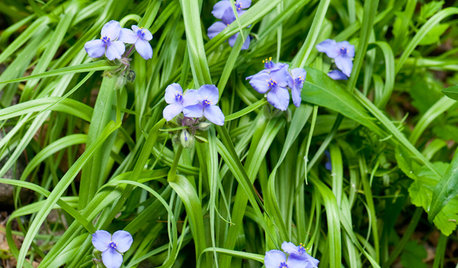
GARDENING GUIDESGreat Design Plant: Tradescantia Ohiensis Adds Shades of Blue
This reliable, adaptable U.S. native provides spider-like foliage and clusters of blue to purple flowers in Eastern gardens each spring
Full Story
lonmower
Donna
Related Professionals
Beaumont Landscape Architects & Landscape Designers · Norfolk Landscape Architects & Landscape Designers · Buffalo Landscape Architects & Landscape Designers · Utica Landscape Architects & Landscape Designers · Saint Marys Landscape Architects & Landscape Designers · Sheboygan Landscape Architects & Landscape Designers · Tacoma Landscape Architects & Landscape Designers · Fort Smith Landscape Contractors · Clarksville Landscape Contractors · Jackson Landscape Contractors · Decatur Accessory Dwelling Units · Augusta Accessory Dwelling Units · Chicago Accessory Dwelling Units · Portland Accessory Dwelling Units · London Accessory Dwelling Unitsgardengyrl
Joe1980
jonhughes
denninmi
nygardener
glib
Tiffany, purpleinopp Z8b Opp, AL
oliveoyl3
glib
char_35
UserOriginal Author