

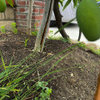
Do i need to replace these cherry trees? (Pics)
17 years ago
Sort by:Oldest
Comments (7)
Related Stories
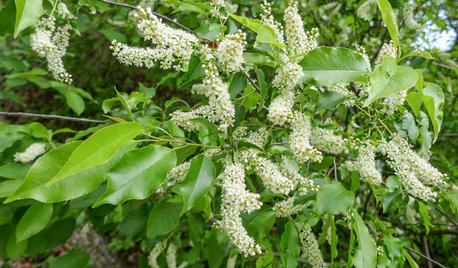
GARDENING GUIDESPlant Black Cherry Trees for the Birds and Bees
Plant Prunus serotina in the Central and Eastern U.S. for spring flowers, interesting bark and beautiful fall color
Full Story
MATERIALSWoodipedia: Is It Cherry or Is It Alder?
Learn the differences between these two wood types, as well as costs, sustainability and a caution about finishing
Full Story
GREAT HOME PROJECTSHow to Replace Your Lawn With a Garden
New project for a new year: Lose the turfgrass for energy savings, wildlife friendliness and lower maintenance
Full Story
SIDE YARD IDEASNarrow Trees for Tight Garden Spaces
Boost interest in a side yard or another space-challenged area with the fragrance and color of these columnar trees
Full Story
FUN HOUZZEverything I Need to Know About Decorating I Learned from Downton Abbey
Mind your manors with these 10 decorating tips from the PBS series, returning on January 5
Full Story
FALL GARDENING11 Trees for Brilliant Fall Color
Give your landscape the quintessential look of autumn with the red, orange and yellow leaves of these standouts
Full Story
TREES6 Unsung Spring-Blooming Trees
Billowy blooms and rare fragrances will make you wonder how these flowering trees could ever have been underused in landscapes
Full Story
EDIBLE GARDENSHow to Grow 10 Favorite Fruit Trees at Home
Plant a mini orchard in fall, winter or early spring to enjoy fresh-off-the-tree fruit the following year
Full Story
GARDENING GUIDES5 Best-Behaved Trees to Grace a Patio
Big enough for shade but small enough for easy care, these amiable trees mind their manners in a modest outdoor space
Full Story
DECORATING GUIDES10 Tree-Hugging Interiors That Work Around Nature
Bursting up through the floor, planted in an indoor patio or potted in any room you choose, trees bring an elegance that's organic
Full Story

jean001
Embothrium
Related Professionals
Ardmore Landscape Architects & Landscape Designers · Amherst Landscape Architects & Landscape Designers · Glenwood Springs Landscape Architects & Landscape Designers · Dover Landscape Contractors · Jacksonville Landscape Contractors · Elizabethtown Landscape Contractors · Hopkinsville Landscape Contractors · Murrieta Landscape Contractors · Little Rock Home Additions · Lexington Home Additions · Lafayette Home Additions · Chattanooga Home Additions · Fargo Home Additions · Saint Marys Home Additions · Cody Home AdditionsestreyaOriginal Author
jean001
estreyaOriginal Author
Embothrium
hoseman