

More Codling Moth Observations?
17 years ago
Sort by:Oldest
Comments (3)
Related Stories
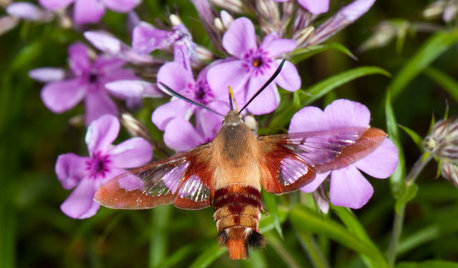
GARDENING GUIDESHummingbird or Moth? See Why You Want Clearwings Around
These fascinating moths may be helpful pollinators for your garden. Here’s how to coax them your way
Full Story
LIFEYou Said It: ‘Use the Imperfect as an Opportunity’ and More Wisdom
Design advice, inspiration and observations that struck a chord this week
Full Story
FEEL-GOOD HOME10 Tips for a More Peaceful Home
Turn your everyday living space into a serene retreat by clearing visual distractions, softening your lighting and more
Full Story
GARDENING GUIDESWe Bust 4 More Native Plant Myths
Have you been taken in by these fallacies about gardening with native plants?
Full Story
GARDENING GUIDES3 Ways to Revel in Summer Garden Sweetness
Patiently observe what works and doesn’t work in your landscape
Full Story
GARDENING FOR BUTTERFLIESGarden for Wildlife to Reap Rich Rewards
When you plant with animals and insects in mind, you make gardening easier, the planet healthier and yourself more present
Full Story
GARDENING GUIDES13 Risks to Take for True Garden Rewards
Go ahead, be a rebel. Breaking rules in the garden can lead to more happiness, creativity and connection with the earth
Full Story
MOST POPULARThe 15 Most Popular Kitchen Storage Ideas on Houzz
Solve common kitchen dilemmas in style with custom and ready-made organizers, drawers, shelves and more
Full Story
GARDENING GUIDESGreat Design Plant: Butterfly Milkweed, a Beacon in the Prairie
Vivacious orange flowers for you, nectar for the butterflies and bees. Asclepias tuberosa is worth planting for more reasons than one
Full Story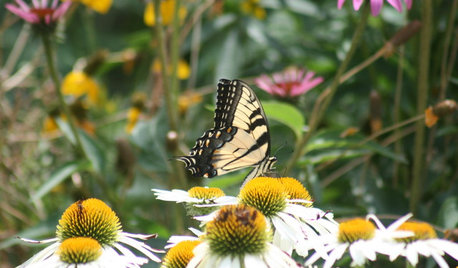
GARDENING GUIDESLessons in the Rewards of Selfless Gardening
Let go of gardening for your own vision and watch the garden’s own true vision come forth
Full Story


Scott F Smith
myk1
Related Professionals
Dover Landscape Architects & Landscape Designers · Ocala Landscape Architects & Landscape Designers · Laconia Landscape Architects & Landscape Designers · Sioux Falls Landscape Architects & Landscape Designers · Santa Barbara Landscape Architects & Landscape Designers · Tacoma Landscape Architects & Landscape Designers · Chatham Landscape Architects & Landscape Designers · Montréal Landscape Architects & Landscape Designers · El Dorado Landscape Contractors · Dover Landscape Contractors · Longview Landscape Contractors · Salina Home Additions · Tulsa Home Additions · Magog Home Additions · Ottawa Home AdditionsmarknmtOriginal Author